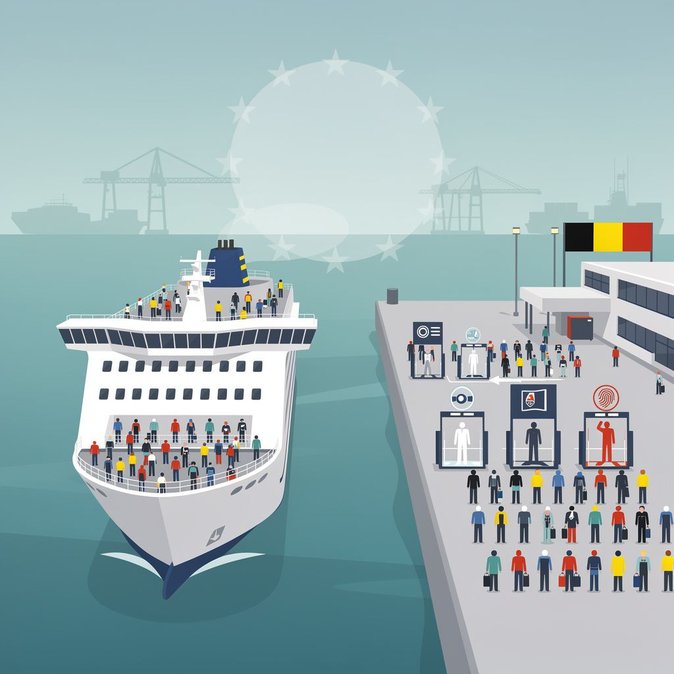
New data released on 27 November 2026 show that maritime passenger volumes across the European Union have climbed above pre-pandemic highs, reaching a record 239 million embarkations in the first three quarters of the year. The figures, reported by The Brussels Times, cite Eurostat datasets and feedback from major ferry operators. Belgium’s ports of Zeebrugge and Ostend together handled 3.1 million passengers – up 7 % year-on-year – as North Sea ferry routes to Hull, Rosyth and Dover rebounded. Port of Antwerp-Bruges officials welcomed the growth but warned that landside infrastructure, particularly road links around the coastal E40 corridor, is approaching saturation during peak summer weekends. Cruise activity is also surging: 114 cruise calls are booked for Zeebrugge in 2027, a 12 % increase on 2026. Mobility consultants say corporate incentive travel and MICE events are fuelling demand, with multinational firms once again chartering mini-cruises for regional conferences. Yet the boom poses challenges. Belgian Customs is still adapting to the EU’s new Entry/Exit System for seaports, scheduled for full roll-out in October 2027, and operators fear bottlenecks if additional e-gates are not installed. Environmental NGOs meanwhile are urging the federal government to accelerate shore-power projects to cut emissions from berthed vessels. For global mobility managers, the headline is clear: ferry and cruise options offer resilient alternatives when aviation faces strike risk, but capacity constraints at Belgian terminals could limit flexibility unless bookings are secured early.
Source: The Brussels Times