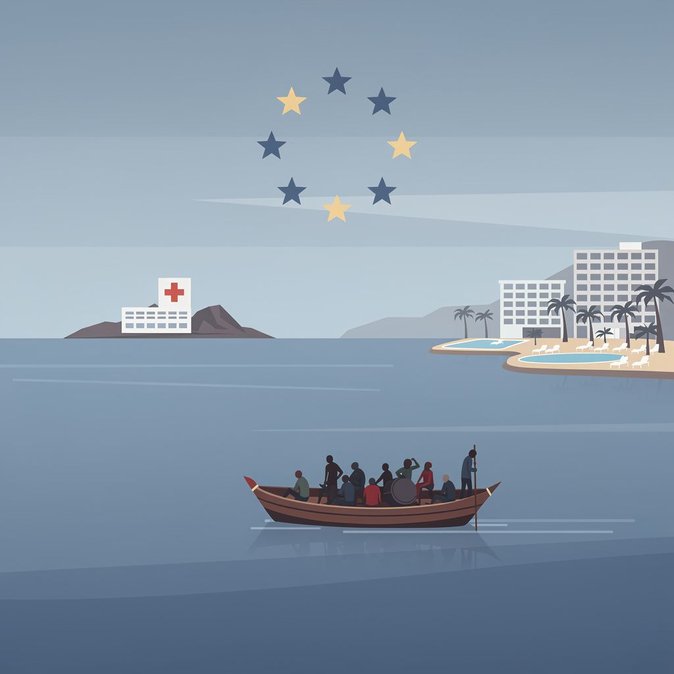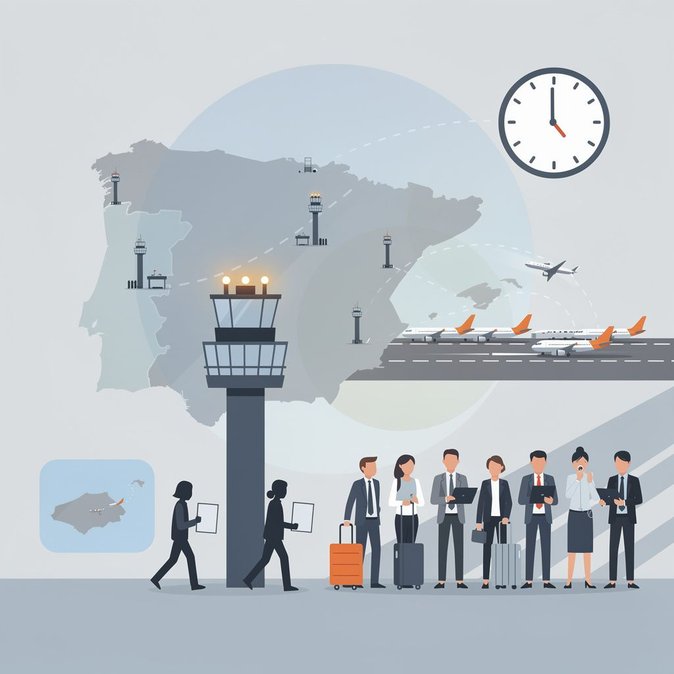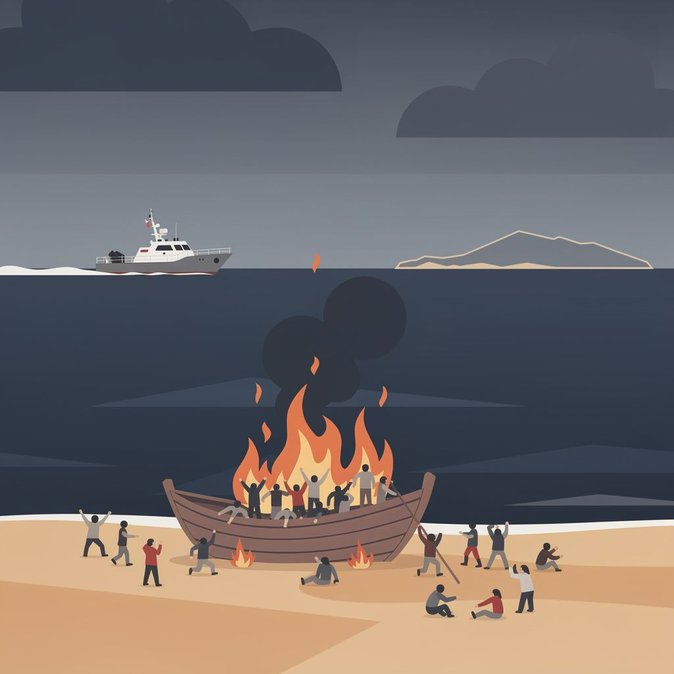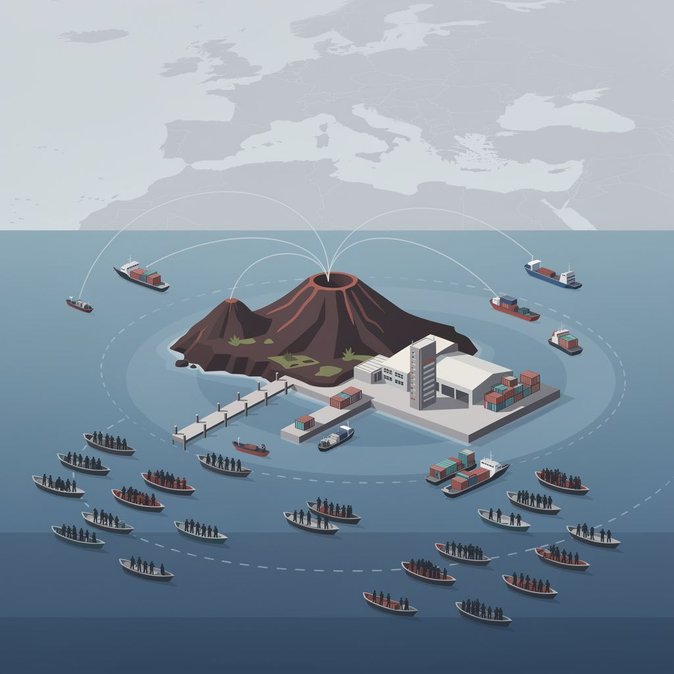
Canary news outlet 20 Minutos calculates that between 23 and 28 November, 28 cayucos carrying 3,445 migrants reached El Hierro—capping a month that has already smashed every historical record with more than 15,500 rescues. The provincial authorities say the island’s population has temporarily doubled, overwhelming water supply, waste management and policing resources. The flood of arrivals followed the 24 November mega-landfall of 2,100 people in a single day. Since then, smaller but relentless convoys from Senegal, Gambia and Guinea have kept ports on 24-hour emergency footing. On 27 November a burning boat left 14 dead and five critically ill survivors who had to be airlifted. President Fernando Clavijo has repeated his plea for immediate Frontex aerial surveillance and the rapid relocation of minors to mainland Spain. He also called for fast-track asylum interviews in El Hierro to reduce backlog. Madrid has responded by dispatching extra Guardia Civil riot units and chartering night ferries to move adults to temporary facilities in Cádiz and Valencia. For businesses, the operational ripple effects are widening: freight ferries are delayed as docking slots are ceded to humanitarian transfers, and the inter-island airline Binter has warned of possible baggage restrictions because military personnel occupy cargo holds. Supply-chain managers should monitor port-agent alerts and budget for demurrage. In the longer term, analysts expect the Canary surge to accelerate EU discussions on a permanent solidarity mechanism—potentially shaping future intra-EU labour mobility quotas that could benefit sectors facing skill shortages on the Spanish mainland.
Source: 20 Minutos