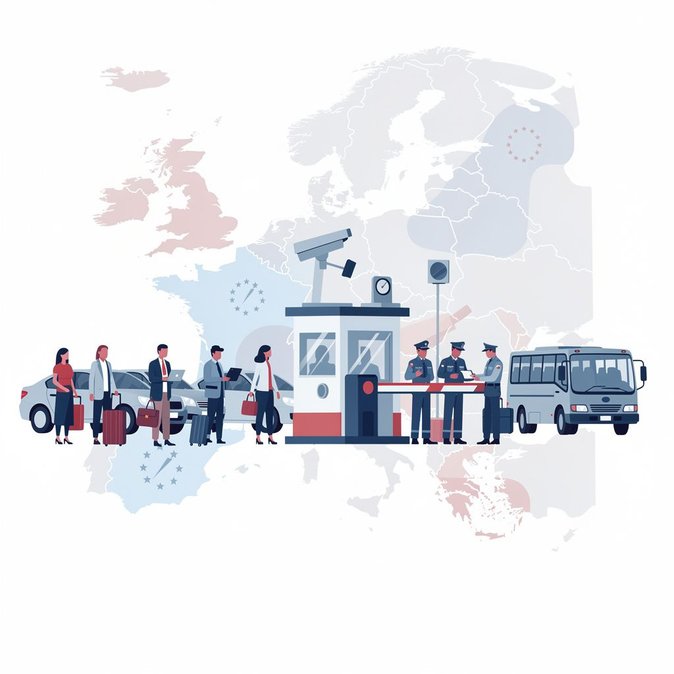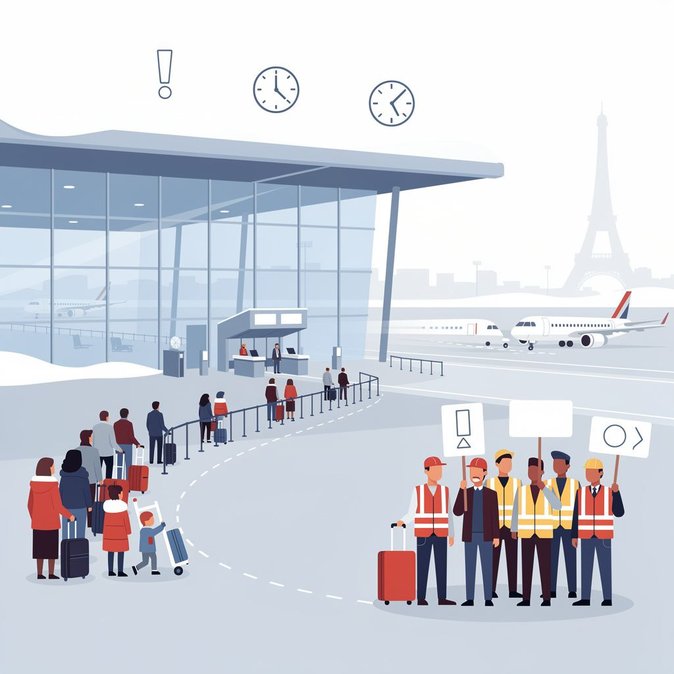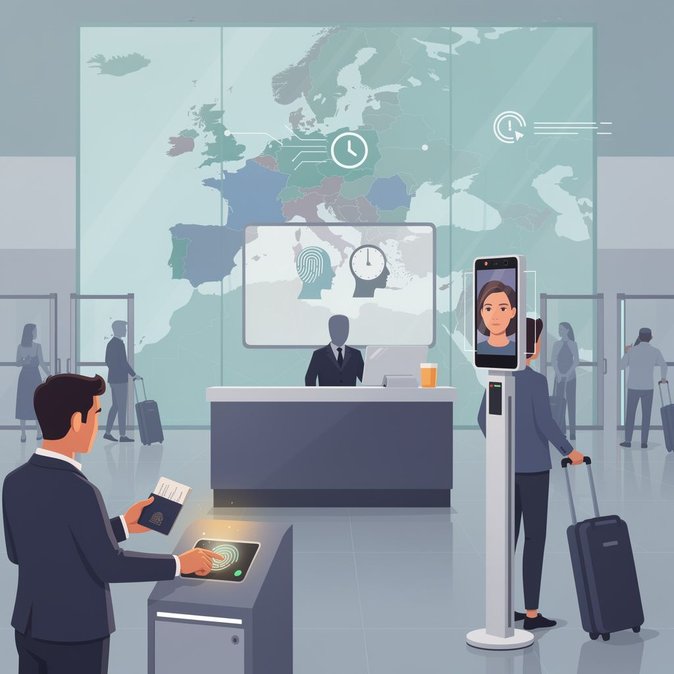
The French Ministry for Europe & Foreign Affairs used a press briefing on 28 November to reiterate that the EU’s new Entry/Exit System (EES) is now fully operational at all of the country’s external borders, while the separate ETIAS travel-authorisation scheme remains in limbo. The clarification follows a spike in online searches – and in some cases fraudulent websites – claiming that ETIAS application links are already open. They are not. EES, which records fingerprints, a facial image and passport data each time a non-EU national crosses the Schengen border, went live across the bloc on 10 April 2026 after a six-month phased roll-out. At French airports, seaports and the Channel Tunnel terminal, automated gates have been re-programmed to capture the new biometrics; manual booths now print an entry receipt instead of stamping passports. Border police report that first-time registration adds 40–90 seconds per traveller, and ADP says it has doubled the number of roving staff at peak times to help passengers navigate the process. For corporations the shift has practical implications. First, the system is strict about the “90/180-day” rule: business travellers who overstay will be flagged automatically on their next entry and could face fines or bans. Mobility teams should therefore audit Schengen-day balances for frequent travellers and update travel-expense systems to warn users. Second, companies moving non-EU assignees into France must account for the extra time needed at the first border crossing to complete biometric capture – critical when arranging chauffeured pick-ups or onward rail connections. As for ETIAS, the EU’s travel authorisation for visa-exempt nationals, the European Commission has still not announced a start date. The fee has been set at €20, exemptions apply for travellers under 18 or over 70, and once issued the pass will be valid for three years. However, no official website is accepting applications yet. The French government warns travellers against paying third-party sites that offer to “process” ETIAS forms. Looking ahead, France’s border police union UNSA-POLICE is lobbying for an extra 800 officers to cope with the permanent biometric regime; the Interior Ministry says staffing levels will be reviewed in the 2027 budget. Meanwhile, travel managers should update pre-trip briefings: advise first-time visitors to expect enrolment, remind repeat visitors that a quick facial scan will now replace passport stamping, and stress that ETIAS is *not* yet required. The French clarification matters because the country is the Schengen area’s second-busiest external gateway after Spain. Misunderstandings about ETIAS, or failures to comply with EES, could lead to denied boarding or fines that hit both travellers and employers. Clear communication now will minimise costly surprises during the year-end travel peak.
Source: GoThere Online