Ottawa boosts Provincial Nominee Program quotas by 66 % for 2026
Quebec unveils 2026-2029 plan: immigration cut to 45,000 and new French-language focus
PEQ sunset looms as Quebec opts for “moderate” cut to 45,000 newcomers a year
Latest News

Humanitarian permanent-residence spaces cut by 15 % as Ottawa prioritises economic intake
Canada’s 2026 quota for refugee and humanitarian permanent residents drops to 49,000, a 15 % reduction. Existing protected persons inside Canada will receive a one-time regularisation boost, but future resettlement arrivals face tighter caps.

Bill C-12 under fire: Amnesty warns Canada risks violating refugee rights
Amnesty International says Bill C-12 could deny many asylum seekers a fair hearing and violate international law. The proposed Strong Borders Act fast-tracks refusals for people in Canada longer than a year and expands enforcement powers, raising compliance and duty-of-care concerns for employers.

IRCC pushes 5 % temporary-resident cap to 2027 and clarifies data source
A November 6 analysis shows Ottawa has delayed its 5 % temporary-resident population target to 2027 and will use Statistics Canada data to measure progress. The extra year offers employers and schools limited breathing room but signals continued cuts to study and work permits.

Ottawa unveils 2026-28 Immigration Levels Plan: permanent targets steady, temporary intakes slashed
Canada’s new three-year immigration plan, released 5 Nov 2025, freezes permanent-resident targets at 380,000 but halves study-permit admissions and cuts temporary-worker quotas by more than one-third. The policy aims to curb population pressures while funnelling more PR spots to economic and French-speaking talent—key information for employers and universities that depend on foreign nationals.
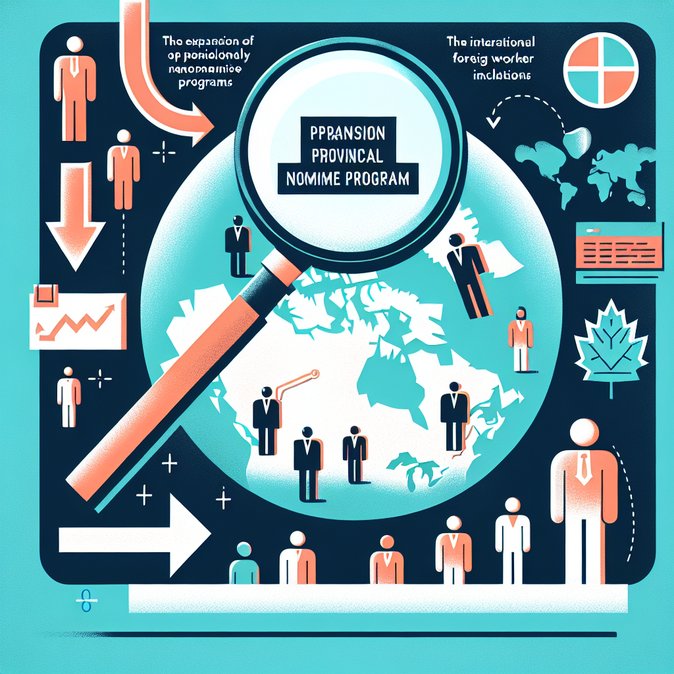
Provincial Nominee Program allocation surges 66 % as Ottawa rebalances worker streams
IRCC will boost 2026 PNP allocations to 91,500 (+66 %), cut TFWP admissions to 60,000 and raise IMP work-permit ceilings to 170,000. The re-balancing gives provinces more control over economic immigration and may squeeze low-wage LMIA hiring, but it creates new openings for employers to obtain PR for skilled staff via provincial streams.

New pathway to grant PR to 33,000 work-permit holders announced
Ottawa will create a one-time pathway that converts 33,000 work-permit holders to permanent residents over 2026-27, giving employers a chance to retain skilled foreign staff while IRCC pares back new temporary entries.

Graduate students exempted from study-permit cap, say U15 research universities
IRCC will exclude master’s and PhD students from the new study-permit cap, a change welcomed by Canada’s U15 research universities. The carve-out safeguards the supply of advanced researchers while overall student-visa numbers are being halved.

IRCC schedules technical briefing for media on immigration levels
IRCC will hold a background technical briefing on 5 Nov to explain the 2026-28 immigration targets. Slide decks released after such sessions typically provide programme-level details valuable for workforce planners.

Northwest Territories reopens Nominee Program with relaxed rules
The Northwest Territories will reopen its Nominee Program on 10 Nov with 103 slots and more flexible employer rules, giving temporary workers in remote communities a fresh route to permanent residence.
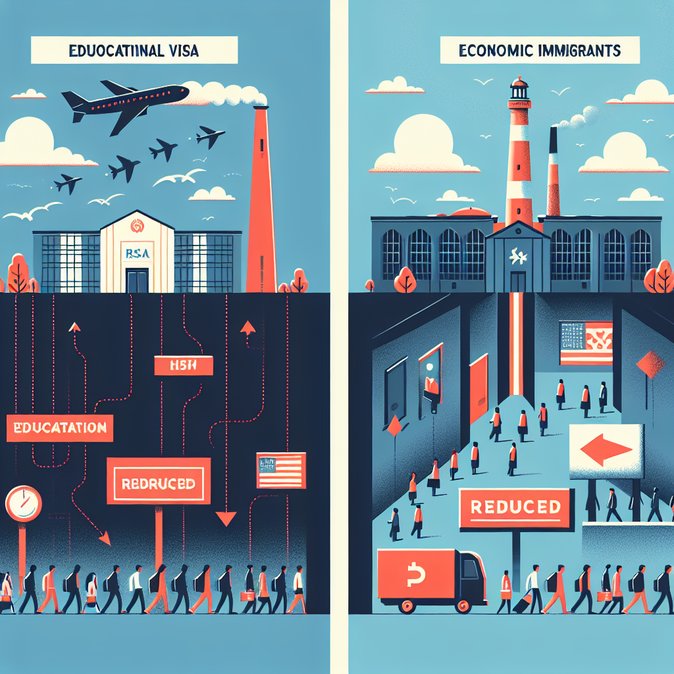
Library newcomer network highlights student-visa cuts and economic focus
Community portal NewToBC told settlement agencies that the federal plan’s sharp student-visa cuts will reduce demand for some services while increasing focus on economic immigrants, urging a re-allocation of resources.