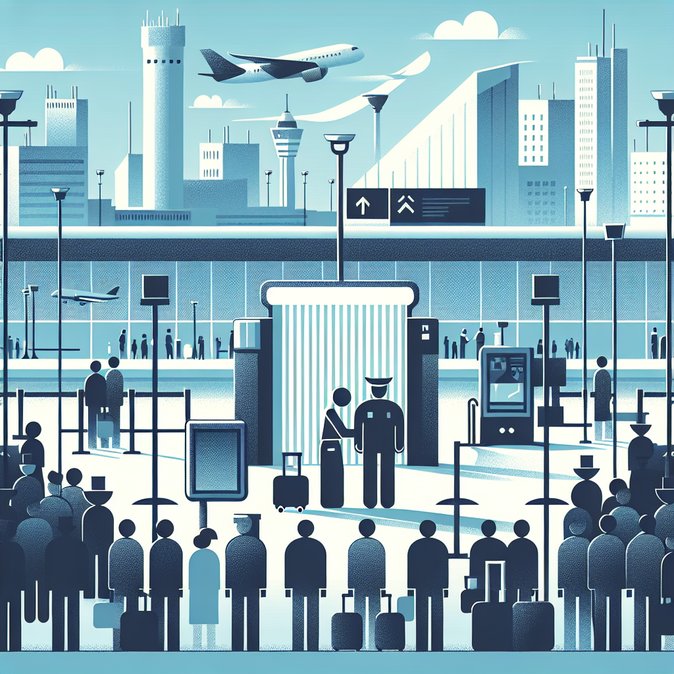
Security screening intensified at Rio de Janeiro’s Galeão International Airport this holiday season, and on 25 December 2025 it paid off. Federal Police (PF) agents noticed inconsistencies in luggage X-rays and detained a male passenger who was preparing to board a night flight to Europe. Hospital scans revealed that he had swallowed roughly 80 latex capsules containing high-grade cocaine—an increasingly common smuggling method through Brazil’s busiest international hubs.
The arrest followed two similar interdictions at São Paulo/Guarulhos earlier in the week, where PF officers also executed a judicial order to confiscate a Brazilian passport linked to unpaid labour fines. The PF said it has redeployed additional narcotics-detection teams to Rio and São Paulo until 2 January, when the peak year-end travel window closes. Airlines have been asked to stagger check-in times to accommodate longer interview procedures at the gates.
![Federal Police seize drug-filled passports and arrest mule at Rio’s Galeão airport]()
For corporate-mobility managers, the operation is a timely reminder that Brazilian airports can introduce ad-hoc screening protocols that lengthen departure times by up to 45 minutes. Travellers carrying prescription medication must ensure original packaging and a doctor’s letter are readily available, as PF officers often intensify checks on pill bottles when drug seizures make headlines.
The PF underlined that the clamp-down targets organised crime, not legitimate passengers, but urged the public to arrive at least three hours before international departures during the festive period. Companies with fly-in-fly-out staff should update their travel alerts and consider arranging lounge access for employees who could face extended airside waits.
The arrest followed two similar interdictions at São Paulo/Guarulhos earlier in the week, where PF officers also executed a judicial order to confiscate a Brazilian passport linked to unpaid labour fines. The PF said it has redeployed additional narcotics-detection teams to Rio and São Paulo until 2 January, when the peak year-end travel window closes. Airlines have been asked to stagger check-in times to accommodate longer interview procedures at the gates.
For corporate-mobility managers, the operation is a timely reminder that Brazilian airports can introduce ad-hoc screening protocols that lengthen departure times by up to 45 minutes. Travellers carrying prescription medication must ensure original packaging and a doctor’s letter are readily available, as PF officers often intensify checks on pill bottles when drug seizures make headlines.
The PF underlined that the clamp-down targets organised crime, not legitimate passengers, but urged the public to arrive at least three hours before international departures during the festive period. Companies with fly-in-fly-out staff should update their travel alerts and consider arranging lounge access for employees who could face extended airside waits.
Source: Polícia Federal