Commuters, tourists and expatriates travelling on Prague’s Integrated Transport system (PID) will face higher pay-as-you-go fares from New Year’s Day. The city council has approved increases for single-ride tickets across both the capital and the wider Central Bohemian Region, although monthly and annual passes remain untouched. Twenty-four- and 72-hour tourist passes, Airport Express tickets and surcharges for luggage or pets will also rise.
Prague is sweetening the pill by offering small discounts in its PID-Lítačka mobile app. Travellers who purchase tickets digitally will save up to 5 % compared to buying from vending machines. Digitalisation is a strategic priority: the city wants at least 70 % of tickets to be sold electronically by 2027 to cut operating costs and speed up passenger flow at busy tram stops.
![Prague to Hike Single-Ticket Prices and Bar E-Scooters on Metro from 1 January 2026]()
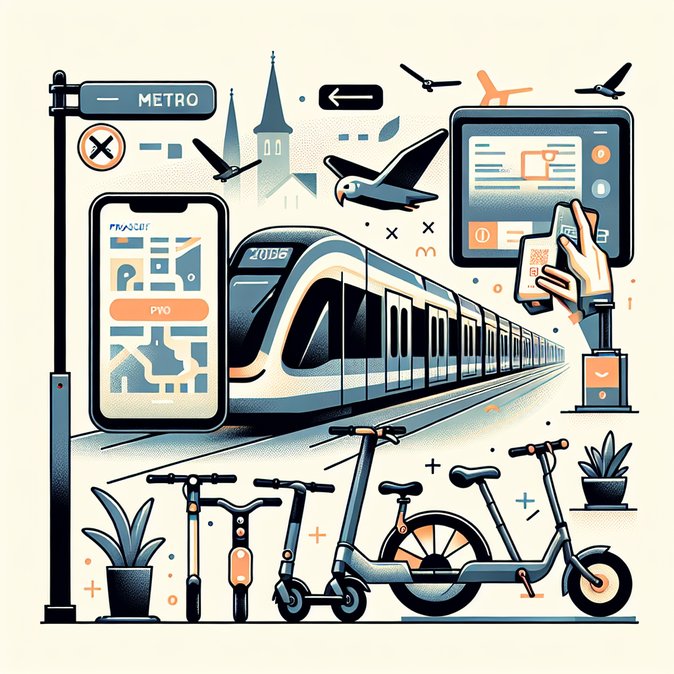
Safety rules are tightening too. Electric bicycles, e-scooters and other powered micro-mobility devices will be banned from the Metro network as of 1 January 2026, following several battery-fire incidents in underground stations. Pedal-powered bikes remain allowed, and the transport operator will relax carriage rules so cyclists can board at any door except the driver’s.
Penalties for fare evasion are also rising: inspectors will be able to issue on-the-spot fines of CZK 1,200 (about €48), increasing to CZK 1,500 if paid within 15 days and CZK 2,000 thereafter. Businesses that provide employees with paper tickets should note the city’s buy-back scheme: unused 2025 tickets can be refunded at sales offices during January, or until 30 June at PID headquarters.
For mobility managers the message is clear: update travel-expense policies and switch visitors to the mobile app to avoid higher kiosk prices. Relocation consultants should brief new arrivals that e-scooters are no longer a Metro-friendly option, steering them toward shared e-bike schemes instead.
Prague is sweetening the pill by offering small discounts in its PID-Lítačka mobile app. Travellers who purchase tickets digitally will save up to 5 % compared to buying from vending machines. Digitalisation is a strategic priority: the city wants at least 70 % of tickets to be sold electronically by 2027 to cut operating costs and speed up passenger flow at busy tram stops.
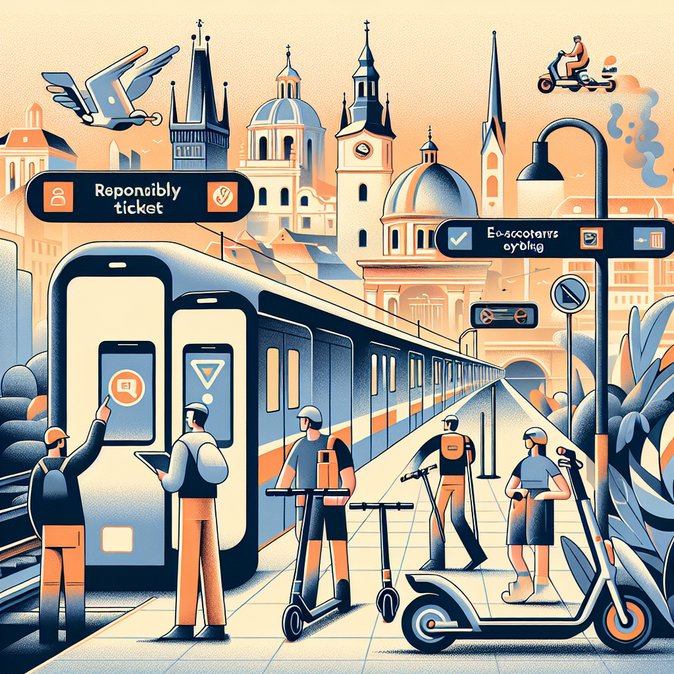
Safety rules are tightening too. Electric bicycles, e-scooters and other powered micro-mobility devices will be banned from the Metro network as of 1 January 2026, following several battery-fire incidents in underground stations. Pedal-powered bikes remain allowed, and the transport operator will relax carriage rules so cyclists can board at any door except the driver’s.
Penalties for fare evasion are also rising: inspectors will be able to issue on-the-spot fines of CZK 1,200 (about €48), increasing to CZK 1,500 if paid within 15 days and CZK 2,000 thereafter. Businesses that provide employees with paper tickets should note the city’s buy-back scheme: unused 2025 tickets can be refunded at sales offices during January, or until 30 June at PID headquarters.
For mobility managers the message is clear: update travel-expense policies and switch visitors to the mobile app to avoid higher kiosk prices. Relocation consultants should brief new arrivals that e-scooters are no longer a Metro-friendly option, steering them toward shared e-bike schemes instead.
Source: Prague Daily News
How VisaHQ can help
VisaHQ simplifies the visa application process for individuals and businesses. Check current travel requirements, prepare the required documents and manage your application online through the VisaHQ Czech Republic portal.More From Czech Republic
View all
New Year’s Eve in Prague: Road Closures, Extended Metro and Strict Pyrotechnics Ban

€20 ETIAS Fee Confirmed: Non-EU Travellers Will Need New Authorisation to Enter Czechia and 29 Other European Countries