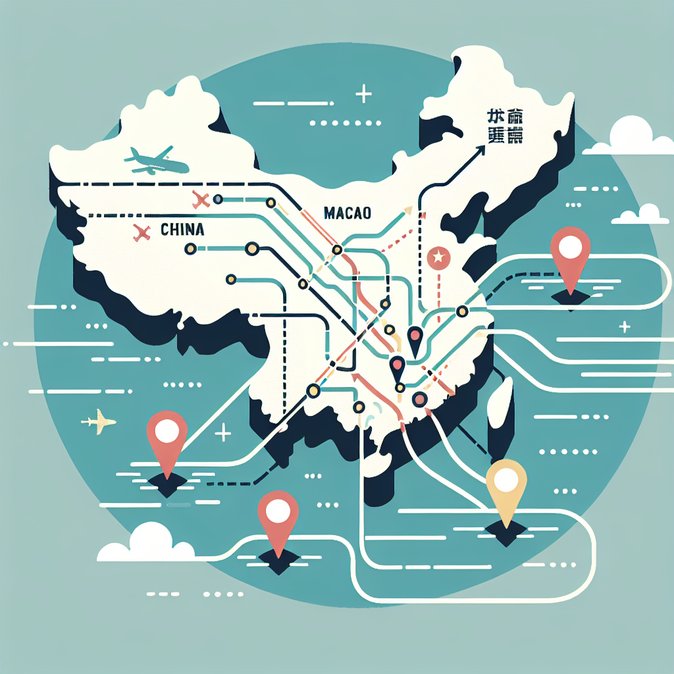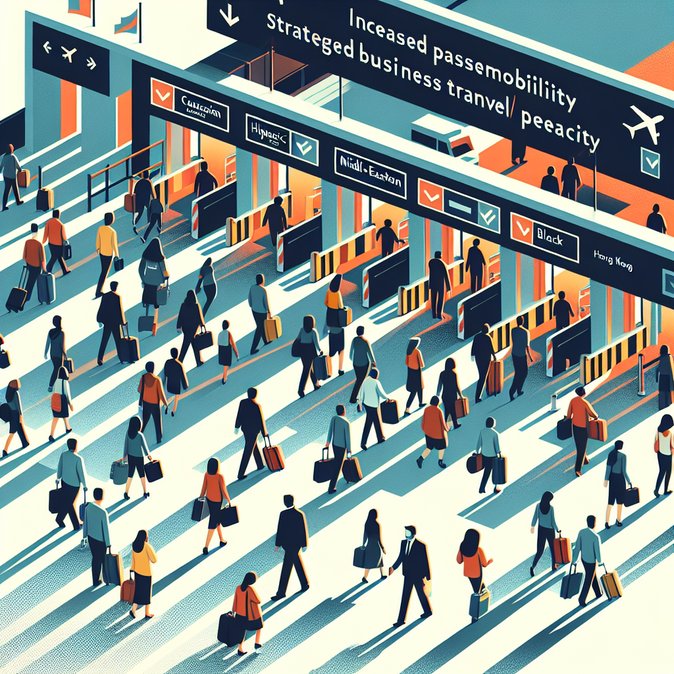
Hong Kong’s Immigration Department recorded 3.2 million inbound and outbound passenger movements through the city’s air, land and sea checkpoints between 1 and 3 January, the three-day New Year holiday on the mainland. Of these, 1.63 million were entries, with Lo Wu (620,000) and Futian/Lok Ma Chau (570,000) handling the heaviest flows. The aggregate figure puts overall traffic at roughly 85 % of 2019 levels, confirming that mobility between the SAR and the mainland has largely normalised after nearly four years of pandemic-related disruption.
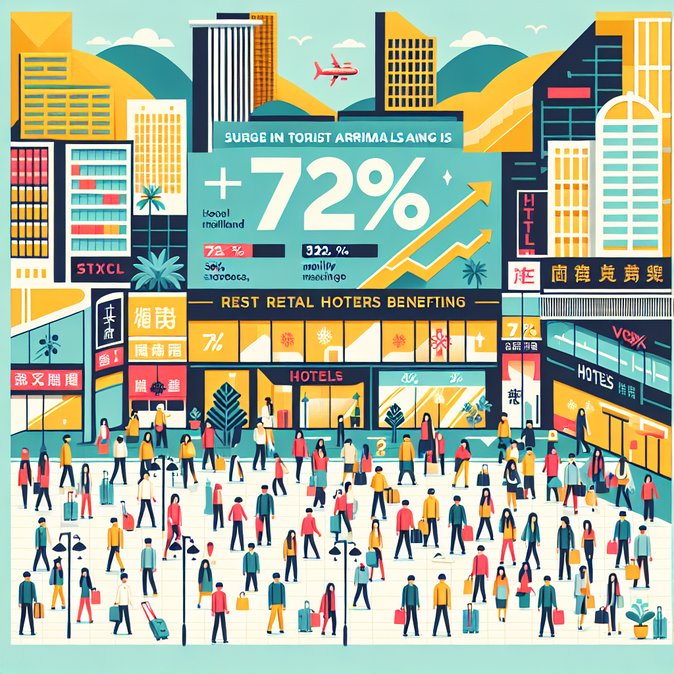
Officials credited additional shuttle buses, MTR intercity services funded under the Greater Bay Area Transport Facilitation Scheme and a decision to keep several e-Channel lanes open round-the-clock for keeping average clearance times below 20 minutes despite the surge. Retailers in Tsim Sha Tsui and Causeway Bay reported 20–30 % sales uplifts, while city-wide hotel occupancy averaged 93 %, giving further weight to the Tourism Board’s push for more charter flights and cruise calls ahead of the Lunar New Year peak.
![3.2 million cross-border movements over mainland holiday push Hong Kong checkpoints to 85 % of pre-Covid volume]()
For corporate mobility managers, the data carry two practical messages. First, duty trips that coincide with major mainland holidays should be staggered or conducted virtually where possible to avoid queuing bottlenecks. Second, employers with cross-border commuters may need to review flexible-working policies; one global bank told VisaHQ it allowed Shenzhen-based staff to work remotely on 2 January to avoid overcrowded evening trains back across the border.
Looking ahead, the Immigration Department plans to publish real-time checkpoint wait-time APIs for corporate use later this quarter, while MTR Corporation has hinted at additional through-train frequencies once new rolling-stock deliveries arrive in March. Both measures should further smooth cross-boundary traffic as Hong Kong attempts to cement its role as the nexus of the Greater Bay Area’s 87 million-strong labour market.
Officials credited additional shuttle buses, MTR intercity services funded under the Greater Bay Area Transport Facilitation Scheme and a decision to keep several e-Channel lanes open round-the-clock for keeping average clearance times below 20 minutes despite the surge. Retailers in Tsim Sha Tsui and Causeway Bay reported 20–30 % sales uplifts, while city-wide hotel occupancy averaged 93 %, giving further weight to the Tourism Board’s push for more charter flights and cruise calls ahead of the Lunar New Year peak.

For corporate mobility managers, the data carry two practical messages. First, duty trips that coincide with major mainland holidays should be staggered or conducted virtually where possible to avoid queuing bottlenecks. Second, employers with cross-border commuters may need to review flexible-working policies; one global bank told VisaHQ it allowed Shenzhen-based staff to work remotely on 2 January to avoid overcrowded evening trains back across the border.
Looking ahead, the Immigration Department plans to publish real-time checkpoint wait-time APIs for corporate use later this quarter, while MTR Corporation has hinted at additional through-train frequencies once new rolling-stock deliveries arrive in March. Both measures should further smooth cross-boundary traffic as Hong Kong attempts to cement its role as the nexus of the Greater Bay Area’s 87 million-strong labour market.
Source: VisaHQ Global Mobility News