With the EU’s biometric Entry/Exit System (EES) due to go live EU-wide on 10 April 2026, Brussels Airport has entered the final stretch of preparations. On 15 January the operator confirmed:
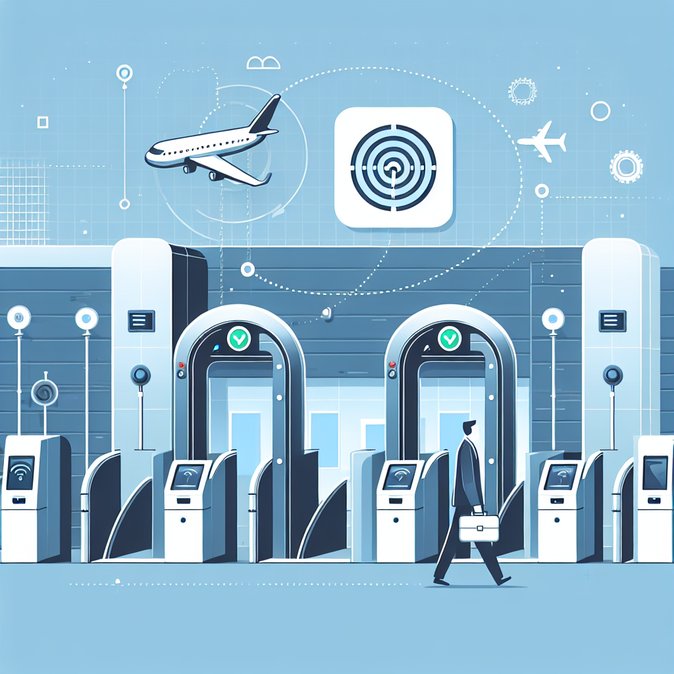
• 12 extra manned border booths in arrivals,
• 61 self-service pre-registration kiosks for non-EU travellers, and
• 36 e-gates equipped with facial-recognition cameras.
All 33 fixed counters now have upgraded camera hardware, and Federal Police will shortly authorise e-gate use by passengers from selected ‘trusted’ third-country groups. Schengen citizens will continue to use existing lanes without additional formalities.
![Brussels Airport installs 61 biometric kiosks and 36 e-gates ahead of EU Entry/Exit System]()
Why it matters
1. Queue management: Brussels handled 22 million passengers in 2025; kiosk roll-out is designed to keep first-time biometric enrolment under two minutes to avoid missed connections.
2. Corporate travel: companies must brief business travellers that passport stamping ends this year; visit duration will instead be tracked electronically.
3. Data protection: Belgian authorities say facial images and fingerprints will be stored for three years, falling under EU GDPR rules.
Airlines are invited to take part in off-peak trials in February. Airport HR is hiring 75 additional agents to direct passengers and troubleshoot kiosk errors during the bedding-in phase. Mobility managers should allow slightly longer connection times at BRU from March and update traveller communications to explain the new enrolment steps.
• 12 extra manned border booths in arrivals,
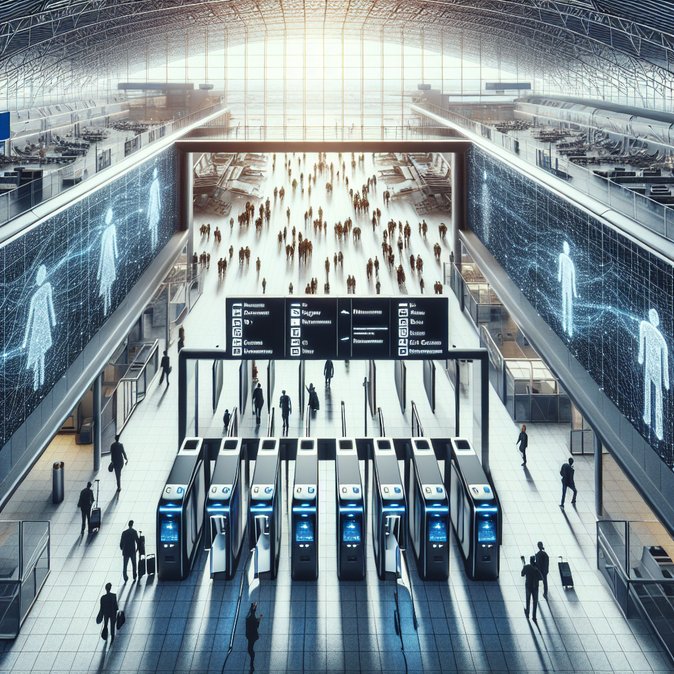
• 61 self-service pre-registration kiosks for non-EU travellers, and
• 36 e-gates equipped with facial-recognition cameras.
All 33 fixed counters now have upgraded camera hardware, and Federal Police will shortly authorise e-gate use by passengers from selected ‘trusted’ third-country groups. Schengen citizens will continue to use existing lanes without additional formalities.
Why it matters
1. Queue management: Brussels handled 22 million passengers in 2025; kiosk roll-out is designed to keep first-time biometric enrolment under two minutes to avoid missed connections.
2. Corporate travel: companies must brief business travellers that passport stamping ends this year; visit duration will instead be tracked electronically.
3. Data protection: Belgian authorities say facial images and fingerprints will be stored for three years, falling under EU GDPR rules.
Airlines are invited to take part in off-peak trials in February. Airport HR is hiring 75 additional agents to direct passengers and troubleshoot kiosk errors during the bedding-in phase. Mobility managers should allow slightly longer connection times at BRU from March and update traveller communications to explain the new enrolment steps.
Source: VisaHQ – Global Mobility News