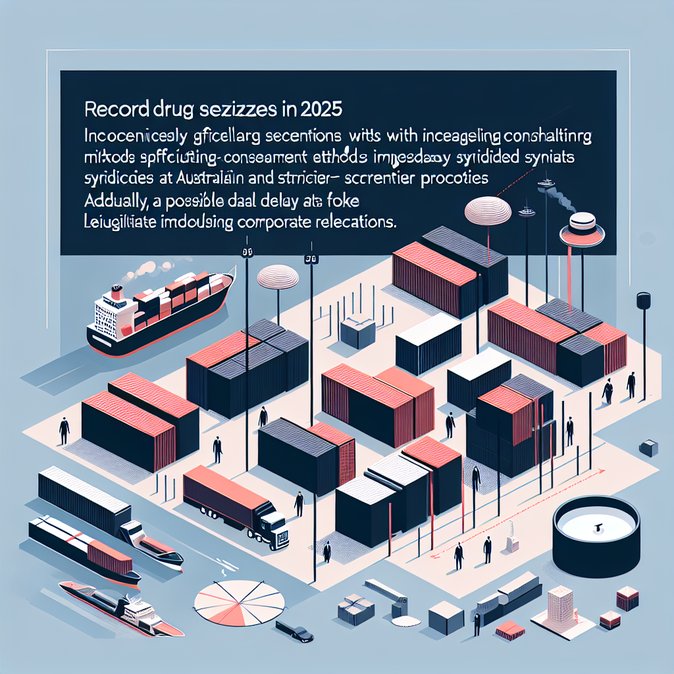
The Australian Border Force and Australian Federal Police have released eye-catching statistics on the creative ways cartels tried to move narcotics into the country in 2025—everything from cocaine hidden in crane parts to methamphetamine packed inside ‘vegetable spring rolls’. In a joint statement dated 23 January 2026, the agencies revealed seizures of 9.2 tonnes of meth, 7.8 tonnes of cocaine and 6.3 tonnes of the party-drug precursor 1,4-butanediol during the year. (abf.gov.au)
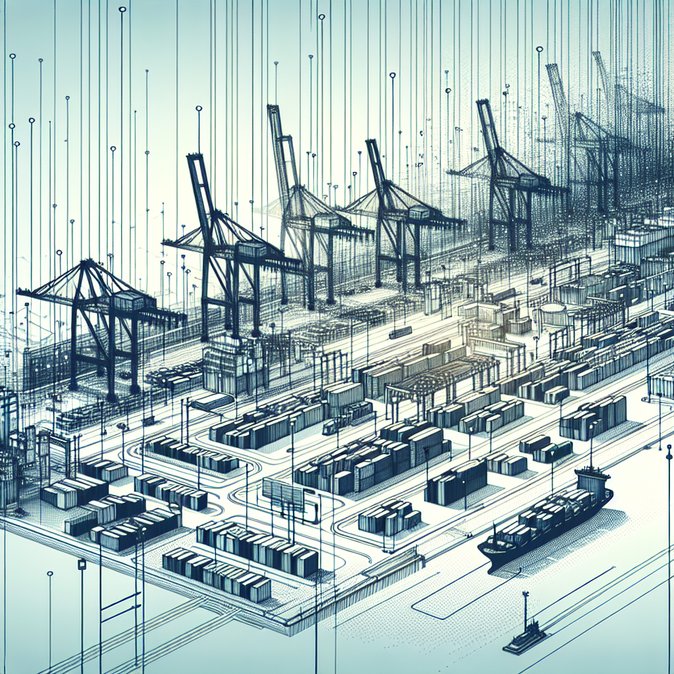
The communiqué highlights a December bust at Port Botany where officers intercepted 27 kg of cocaine concealed in plastic blocks embedded in a shipping container’s walls—enough for 135,000 street deals. Authorities say intelligence-sharing with overseas customs agencies and better use of x-ray analytics were critical to the haul. (abf.gov.au)
![ABF and AFP unveil record drug-smuggling concealments, foreshadow tighter cargo screening at Australian borders]()
While the announcement focuses on law-enforcement success, it has direct implications for legitimate cargo: the ABF warns it will intensify container profiling and may increase manual unpack examinations for “high-risk commodities”, widening clearance times for importers. Mobility managers moving household goods or time-sensitive equipment should build extra buffer into shipping schedules.
The figures also reinforce the government’s argument for an expanded Single Window trade-facilitation platform that would integrate customs, biosecurity and immigration data. The ABF says it is trialling AI-driven risk engines that could be deployed at passenger-movement points as well—suggesting that cargo innovations today may shape traveller screening tomorrow.
The communiqué highlights a December bust at Port Botany where officers intercepted 27 kg of cocaine concealed in plastic blocks embedded in a shipping container’s walls—enough for 135,000 street deals. Authorities say intelligence-sharing with overseas customs agencies and better use of x-ray analytics were critical to the haul. (abf.gov.au)
While the announcement focuses on law-enforcement success, it has direct implications for legitimate cargo: the ABF warns it will intensify container profiling and may increase manual unpack examinations for “high-risk commodities”, widening clearance times for importers. Mobility managers moving household goods or time-sensitive equipment should build extra buffer into shipping schedules.
The figures also reinforce the government’s argument for an expanded Single Window trade-facilitation platform that would integrate customs, biosecurity and immigration data. The ABF says it is trialling AI-driven risk engines that could be deployed at passenger-movement points as well—suggesting that cargo innovations today may shape traveller screening tomorrow.
Source: Australian Border Force