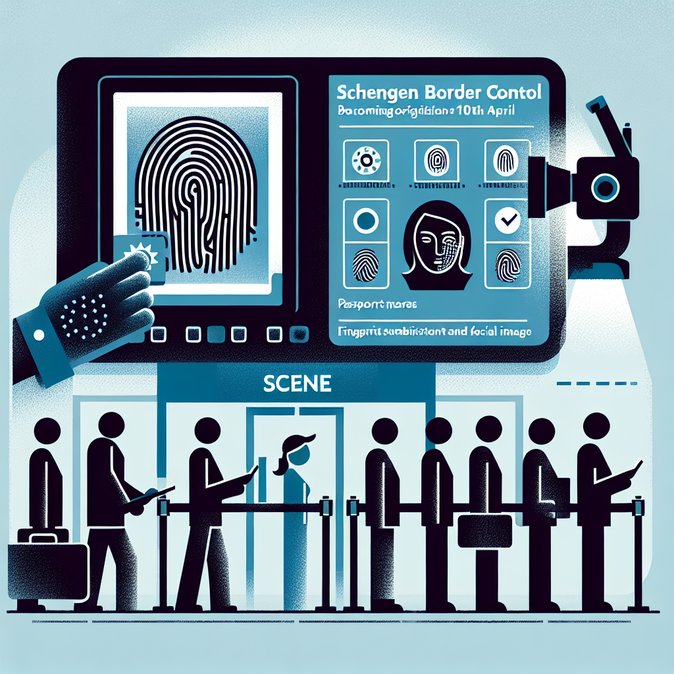
Europe’s long-awaited Entry/Exit System (EES) reaches full switchover on 10 April, replacing passport stamps with a live biometric register across 29 Schengen countries. *Euronews* reports that from 31 March all third-country nationals—including Indian citizens with Schengen visas—have been pre-registered, but **manual waivers end next week**. How it works: First entry after 10 April will require fingerprint and facial capture at a self-service kiosk or manned desk; subsequent crossings use fast e-gates. The system automatically counts the 90/180-day allowance and flags overstays in real time. Teething pain: Airport and airline groups warn of queues exceeding two hours while frequent-visitor databases populate. Travellers who renewed passports mid-visa cycle must carry both documents until the new one is enrolled. Indian corporate impact: • Day-count accuracy removes any “grace gap” formerly exploited by last-minute business trips—mobility teams should audit travel histories. • Large assignee populations in Germany, France and the Netherlands may face biometric enrolment back-logs at land borders; firms should stagger trips during April-May. Digital prep: The EU’s *Travel to Europe* mobile app allows pre-upload of a selfie and passport photo 72 hours before arrival; pilots at Schiphol and Frankfurt show a 40 percent reduction in kiosk time when used. Looking ahead: EES is the gateway to ETIAS, the paid travel authorisation slated for late 2026, meaning Indian short-stay travellers will confront another compliance layer within the year.
Source: Euronews