Brussels Airport posts 1.9 % passenger growth in March despite strikes and Middle-East flight suspensions
ICE Reclassifies Common I-9 Errors as “Substantive,” Eliminating 10-Day Cure Window
Queues Stretch Three Hours as EU’s New Biometric Entry/Exit System Goes Live
Latest News
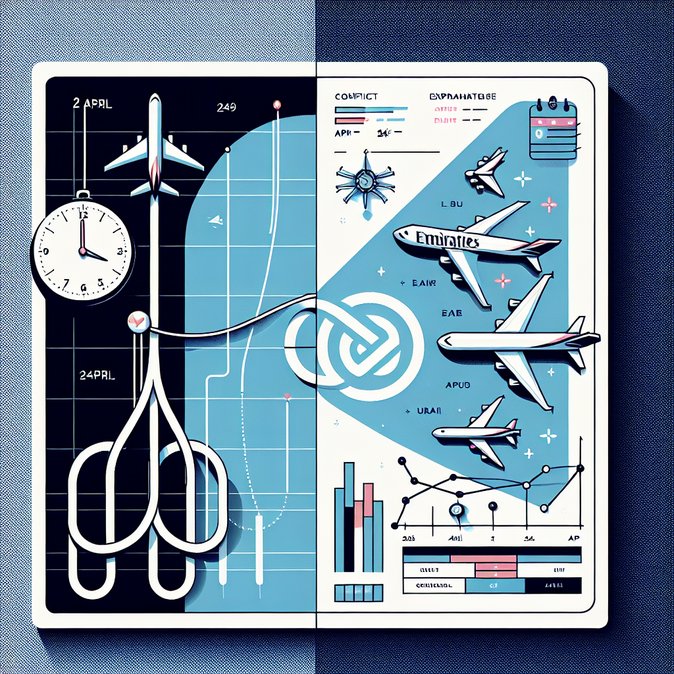
EASA conflict-zone bulletin keeps Dubai Airport in limbo as airlines extend UAE flight suspensions
EASA has extended its conflict-zone avoidance notice for UAE airspace to 24 April, forcing European and several Asian and North-American airlines to prolong flight suspensions to Dubai. Emirates and flydubai remain operational but advise passengers not to go to DXB without confirmed schedules. The capacity squeeze is driving fares higher and complicating corporate travel itineraries.
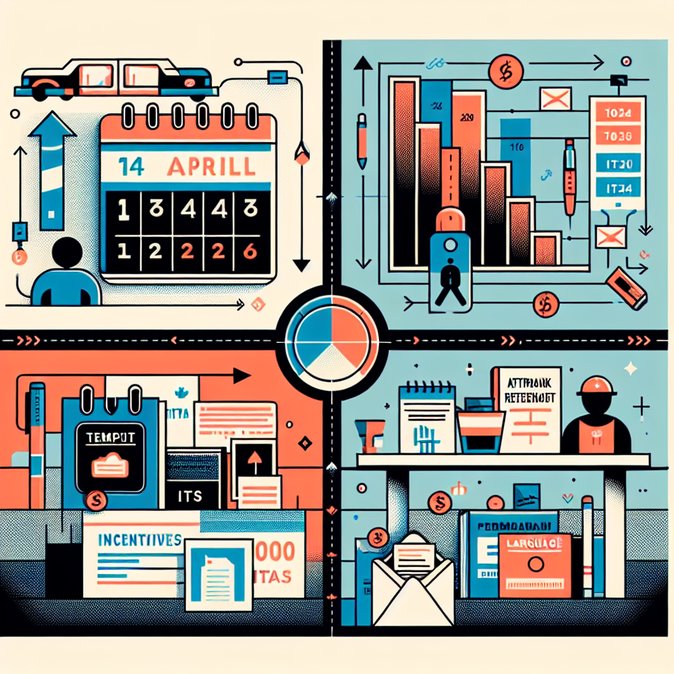
IRCC invites 2,000 Canadian Experience Class candidates in April 14 Express Entry draw
On 14 April 2026 IRCC issued 2,000 ITAs to Canadian Experience Class candidates with a CRS cut-off of 515—the highest CEC score in almost two years. The draw underscores Ottawa’s focus on converting in-country temporary workers to permanent residents, but the rising score means employers may need to invest more heavily in retention incentives or French-language training for key staff.
Two-Day Lufthansa Pilot Strike Grounds 80 % of Flights at Frankfurt and Munich Hubs
A 48-hour strike by Lufthansa Group pilots on 13–14 April has forced the cancellation of about 80 % of flights at Frankfurt and Munich, stranding tens of thousands of passengers and disrupting cargo flows. The action, driven by pay and pension demands, is the fourth labour stoppage at the carrier this year and signals a volatile summer travel season. Companies with German operations must activate contingency plans, reroute travellers by rail, and expect higher travel costs.

‘Systemic failure’: EU’s new Entry/Exit System causes hours-long queues at French airports
The EU’s long-delayed biometric Entry/Exit System went live on 10 April and immediately produced three-hour immigration queues at Paris-CDG, Eurostar and Eurotunnel. Airport operators and airlines say the roll-out is a “systemic failure” and are urging Brussels to allow temporary suspensions before the Paris Olympics peak. Businesses should expect travel-disruption costs and build extra time into itineraries.

West Asia conflict forces Indian airlines to absorb ₹2,500-crore hit as key Gulf and Europe routes unravel
Indian airlines estimate they have lost about ₹2,500 crore in revenue since Gulf hostilities forced detours around Iranian and Pakistani airspace. The rerouting has slashed Gulf frequencies, lengthened Europe and US flight times by up to five hours and driven fuel costs sharply higher, with foreign competitors moving in to capture traffic. Business travellers should brace for longer journeys and higher fares while carriers lobby New Delhi for relief.

Austria drafts tough ‘Integration Obligations Act’ with fines and jail for non-compliant migrants
Austria’s government has finalised an Integration Obligations Act that would fine asylum-seekers up to €5,000 – or jail them for three weeks – if they skip mandatory language or civic-values courses. The draft, unveiled on 14 April, has sparked coalition infighting but could pass before the summer. Companies placing foreign staff in Austria should expect stricter reporting and onboarding requirements.
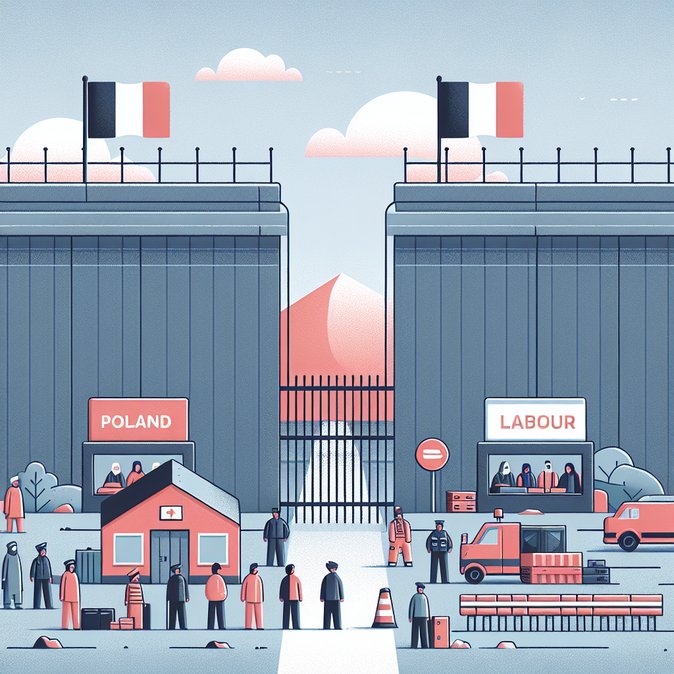
Afghan asylum-seekers in Poland fear deportation as government keeps Belarus border ban in place
An emergency ordinance first adopted in March 2025 continues to bar people who cross Poland’s border with Belarus from filing asylum claims. Afghan nationals are the main group affected and now face possible deportation to Taliban-ruled Afghanistan. NGOs say the policy violates EU and international refugee law, while businesses employing Afghan talent in Poland risk sudden labour disruptions.
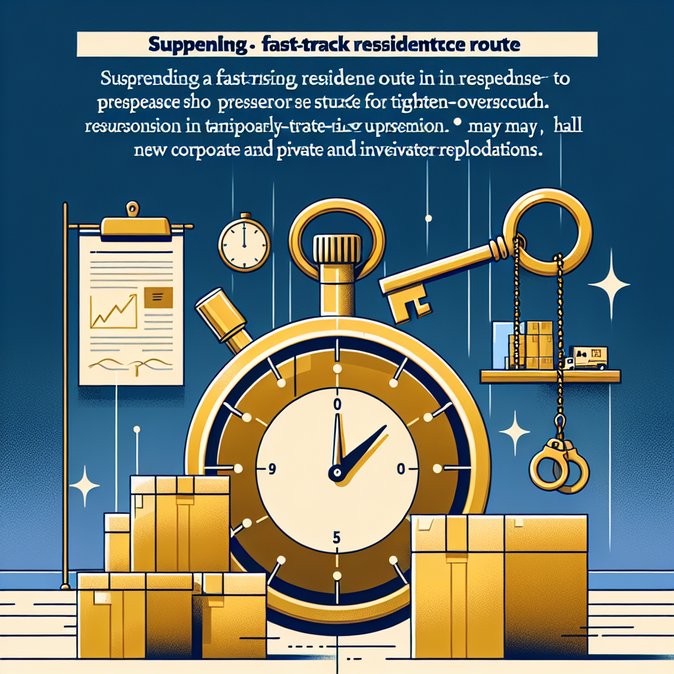
Cyprus Parliament Fast-Tracks Bill to Tighten ‘Golden Visa’ Rules
Opposition AKEL has tabled urgent amendments that would suspend Cyprus’ ‘golden visa’ fast-track residence route unless new regulations are issued within three months. The move follows EU pressure to tighten oversight after the 2020 passport scandal and could temporarily halt new corporate and private investor relocations. Businesses relying on the scheme should accelerate filings and prepare contingency plans.

Spain launches extraordinary regularization program covering undocumented Brazilians
Spain opened its extraordinary regularization process on April 14 2026, allowing undocumented foreigners who have lived in the country for at least two years— including an estimated 26,000 Brazilians— to obtain one-year renewable residence and work permits. The measure gives employers a legal pathway to formalize workers and is expected to generate €1 billion in social-security contributions. For Brazilian expatriates, it offers access to healthcare, formal housing, and Schengen travel rights, strengthening Spain’s pull as an alternative to Portugal.
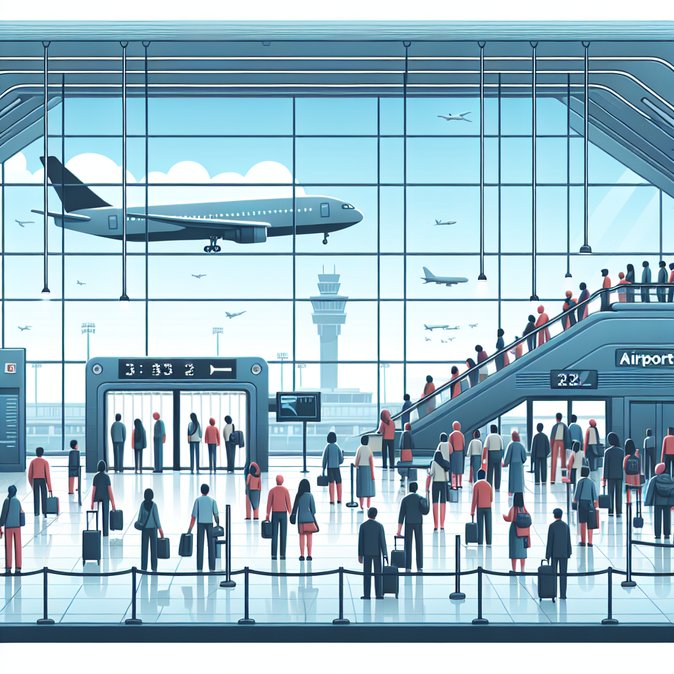
Biometric Entry/Exit System causes three-hour queues at Vienna Airport; travellers advised to arrive early
The EU’s new biometric EES has led to queues of up to three hours for non-EU passengers at Vienna Airport, forcing some flights to depart half-empty. Airport authorities now recommend arriving at least four hours before take-off, and airlines are reassessing connection windows. The disruption underscores the operational risks of large-scale border-technology deployments for corporate travel.

Spain Approves Mass Regularisation, Opening Legal Path for 500,000 Undocumented Migrants
Spain has published a Royal Decree that grants a one-year residence-and-work permit to undocumented migrants who arrived before 1 January 2026 and have lived in the country for at least five months. Up to half a million people are expected to apply between 20 April and 30 June, turning Spain into the EU’s largest regularisation drive in two decades. Employers gain access to new, fully legal labour, but HR teams must prepare for tight deadlines and potential processing bottlenecks.
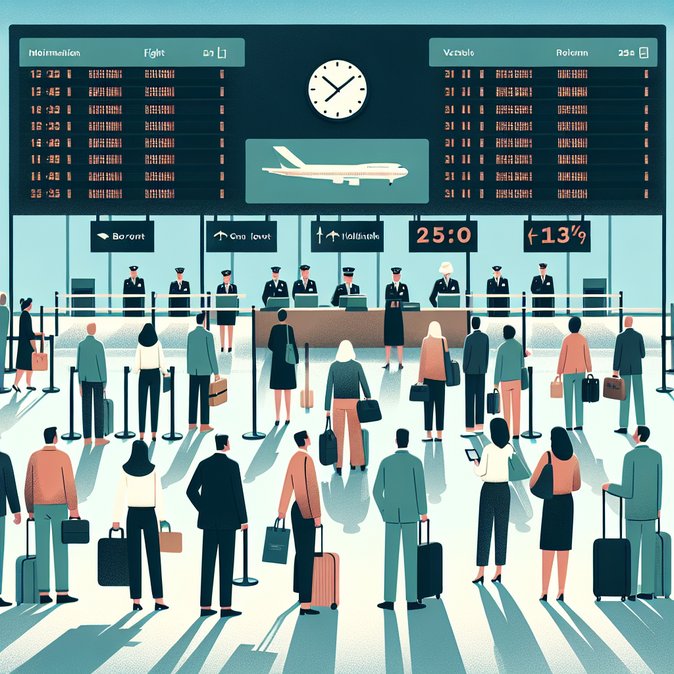
Biometric Entry/Exit System Launch Sparks Multihour Queues at Helsinki Airport
Helsinki Airport saw queues of up to three hours as the EU’s new biometric Entry/Exit System entered full service, leaving some flights departing half-empty. Border officials call the delays temporary, but airlines and airport groups urge the European Commission to permit temporary suspensions to avoid summer chaos. For employers, the system means perfect digital records of days spent in Finland and the wider Schengen Area—raising the compliance stakes for frequent business visitors.

UK government signals across-the-board visa fee hikes, including 66 % rise in health surcharge
A notice circulated on 14 April confirms the Home Office will raise most visa application fees, with the Immigration Health Surcharge soaring from £624 to £1,035 per adult. Work-visa charges rise 15 % and other categories at least 20 %, inflating corporate mobility budgets and prompting advisers to fast-track pending filings.
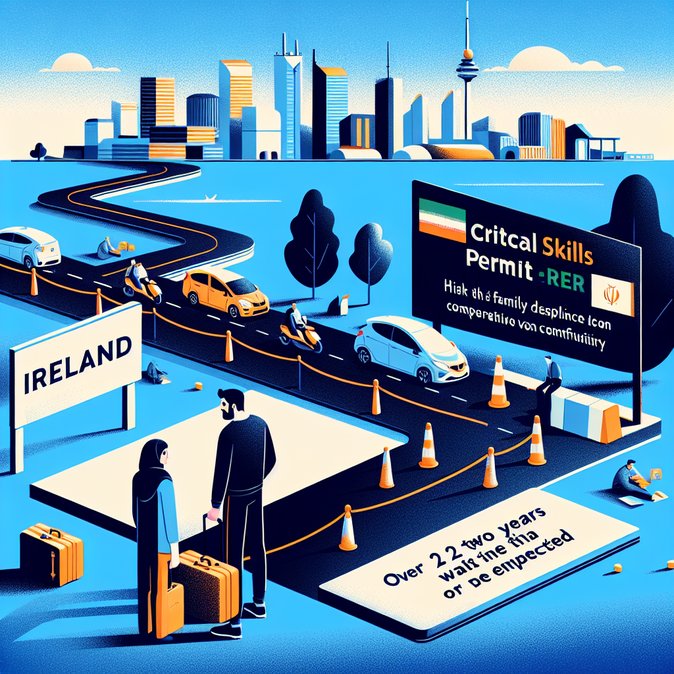
Iranian Critical-Skills Workers Decry Two-Year Waits for Family Reunification Visas
Iranian Critical Skills permit-holders report family-reunification visa waits of more than two years, far exceeding the official 12-month target. Campaigners warn the backlog is forcing high-skill talent to consider leaving Ireland, undermining the State’s competitiveness.

Italy & Tunisia Sign Five-Year Employment Deal to Boost Regular Migration Pathways
Italy and Tunisia have signed a five-year framework that links Italian employers directly with Tunisian job-seekers, bypassing quota caps and promising accelerated visa processing. The pact initially targets agriculture and agri-food but could widen to other sectors, giving Italian companies a streamlined, legally compliant pipeline for foreign talent while offering Tunisia’s youth structured training and guaranteed labour standards.