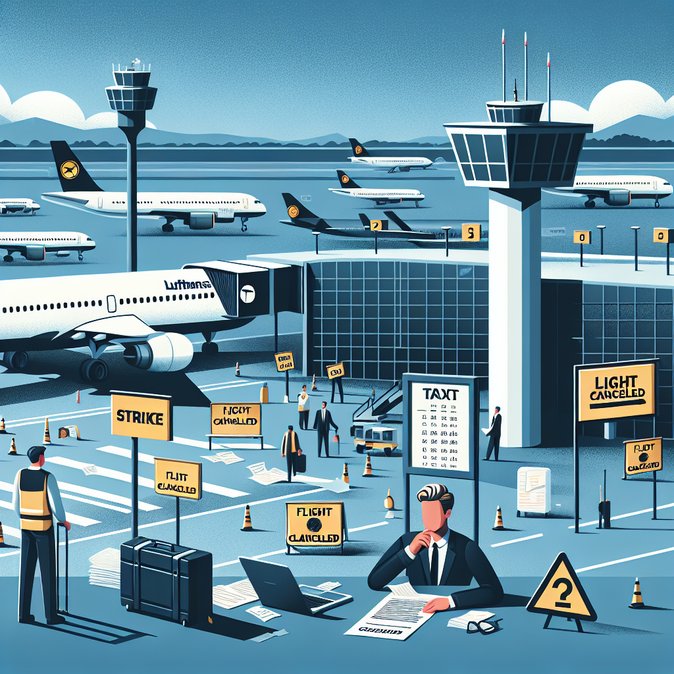
The German Airports Association (ADV) reported on 6 May that its 23 member hubs handled just 16.7 million passengers in April—1.65 million fewer than a year earlier, a 9 % decline. The one-week strikes by Lufthansa cockpit and cabin crew alone accounted for almost one million lost travellers; flight cancellations linked to the Iran conflict shaved off another 400,000. Financially, Lufthansa estimates that April’s labour unrest cost the group €150 million, bringing strike-related losses for Q1 2026 to €40 million. The ADV warned of a “dramatic erosion” of Germany’s international connectivity and urged the federal government to cut aviation taxes and accelerate security-staff hiring to stabilise schedules before the summer peak. The passenger slump has knock-on effects for mobility managers: longer queues at understaffed checkpoints, a reduction in feeder flights to secondary cities, and higher airfares as airlines pass on fuel and labour costs. Companies with time-critical travel should consider buying flexible rail passes and moving short-haul meetings online. Cargo operators, meanwhile, report that irregular belly-hold capacity is forcing them to shift high-value consignments onto road corridors, where the same border controls causing staff shortages also create logistical bottlenecks.
Source: Handelsblatt