Ireland launches new Diaspora Strategy 2026-2030 in New York
Federal Budget 2026-27 keeps migration cap at 185,000 and shifts focus to on-shore skilled workers
Belgian National Strike Grounds Flights, Forces Diversions & Cuts Capacity at Brussels and Charleroi Airports
Latest News

Polish Foreign Ministry raises travel alert for Bolivia amid nationwide protests
On 12 May 2026 Poland’s foreign ministry raised its travel warning for Bolivia to level 3, advising citizens to cancel non-essential travel as nationwide protests cause road blockades and potential flight disruptions. The move forces companies to review evacuation plans for Polish staff working in Bolivian mining and energy projects and underscores Poland’s proactive use of consular alerts to mitigate travel risk.

Labor Department Proposes 20–33% Wage Hike for H-1B and Related Visa Programs
The Department of Labor has released a draft rule that would raise H-1B, H-1B1, E-3 and PERM prevailing wages by 20–33 %. Entry-level salaries would start near US $98 k. Employers must plan for higher labor costs and possible head-count adjustments, while a court fight is expected. Comments are due May 26.

Switzerland and Tunisia launch 2026 Rabat Process chairmanship with focus on reintegration of returning migrants
Switzerland, as 2026 chair of the Rabat Process, co-hosted a conference with Tunisia that prioritises the sustainable reintegration of returning migrants. The programme links return assistance with development funding, aiming to raise effective return rates and preserve political support for regular labour migration. Companies may benefit from future ‘circular skills’ schemes and a digital reintegration passport that should accelerate repeat work-visa applications.
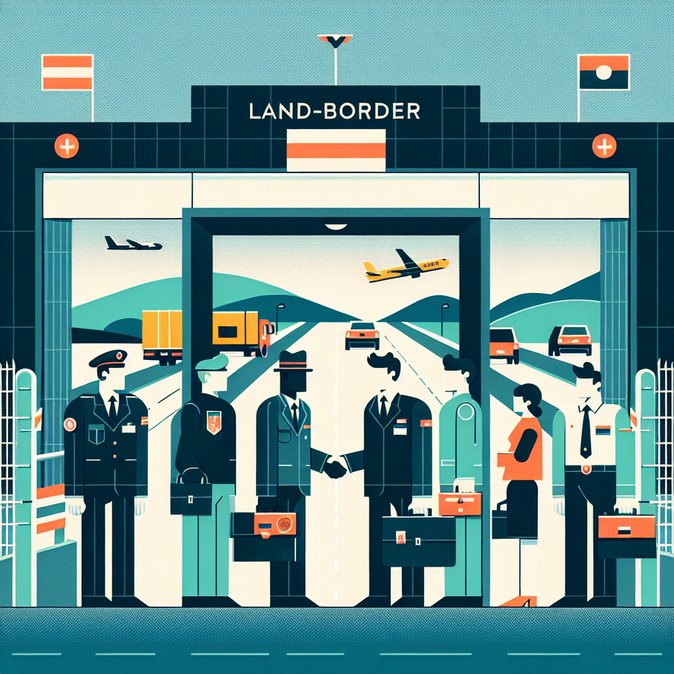
Austria keeps Schengen land-border checks in place as EU patchwork of internal controls grows
Austria has formally prolonged land-border checks with four neighbouring Schengen partners until 15 June 2026, aligning with similar extensions by Germany, Denmark and others. Business travellers must carry identification and allow extra time for possible stops, while companies should monitor schedules and ensure visa-exempt employees respect Schengen stay limits.
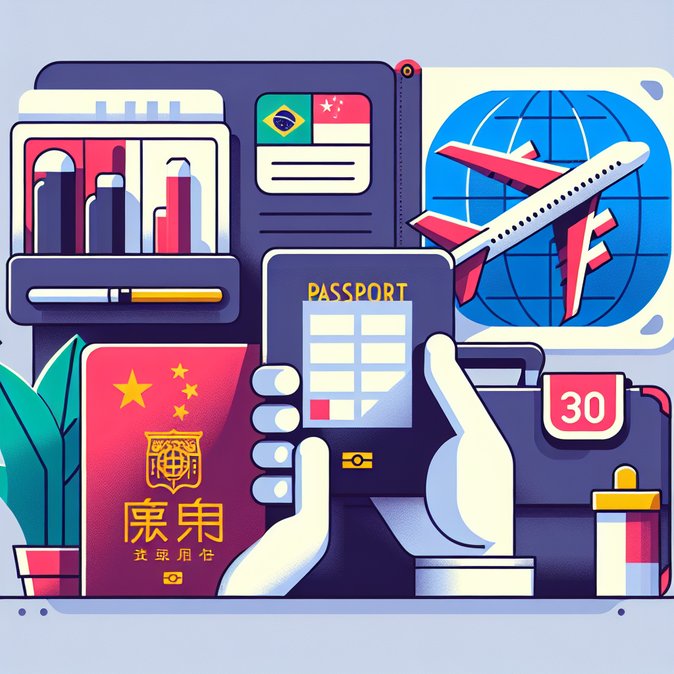
Brazil’s Visa-Free Entry for Chinese Citizens Enters Into Force
Brazil has scrapped short-stay visas for Chinese ordinary-passport holders, allowing 30-day visits effective 11 May 2026. The reciprocal waiver is expected to boost Chinese tourism and accelerate corporate travel, while still requiring visitors to show proof of funds and onward tickets. Multinationals should update travel policies and remind staff that work activities remain restricted without the proper visa.

Beijing accelerates fast-track entry measures as visa-free arrivals hit record May Day highs
Beijing’s immigration authority used the May Day holiday to stress-test a new suite of fast-track procedures. Visa-free and transit-permit travelers accounted for three quarters of foreign arrivals, prompting officers to open channels early, redeploy staff in real time and expand 24-hour registration counters. The upgrades keep queue times low and make short-notice business trips to China easier – a signal that the country’s broader opening-up drive is accelerating.

24-Hour National Transport Strike on 17-18 May to Disrupt Rome and Long-Distance Rail
USB has confirmed a nationwide public-transport and rail strike that will run from the evening of 17 May through 18 May, threatening major disruption in Rome and on Trenitalia regional lines. Guaranteed rush-hour windows will operate, but commuters, business travellers and derby football fans should brace for cancellations and crowding.

Qatar Airways to Resume Daily Doha–Helsinki Service from July
Qatar Airways will restart flights between Doha and Helsinki on 15 July 2026, initially four times a week and daily from August. The reinstated link restores a key long-haul corridor for Finnish corporates, widens connection options to Asia-Pacific and Africa, and increases premium-class seat supply at Helsinki-Vantaa. Companies with mobile staff should update travel policies to take advantage of the renewed one-stop network.

Spain’s Supreme Court Postpones Hearing on Challenge to Mass Migrant Regularisation
The Supreme Court has shifted to 22 May a key hearing on petitions to freeze Spain’s extraordinary migrant regularisation decree, prolonging uncertainty for companies and migrants alike. Government lawyers insist a suspension would damage the public interest and deny rights to people already resident. Mobility teams should ready documents but prepare fallback options.
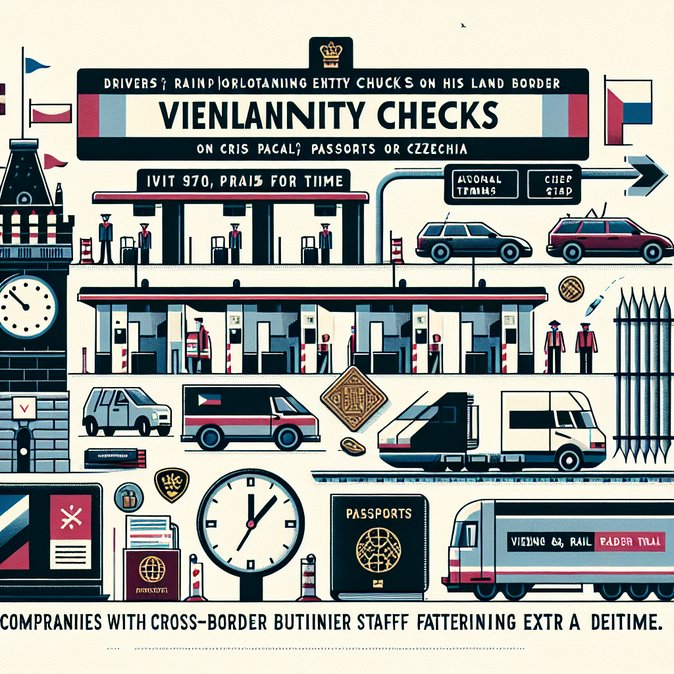
Austria keeps border checks with Czechia through mid-June as Schengen controls widen
Vienna has prolonged identity checks on its land border with Czechia until 15 June 2026, part of a wave of internal Schengen controls renewed on 12 May. The measures mean drivers and rail passengers must still carry passports or national IDs, and logistics firms report growing delays on key corridors. Companies with cross-border staff should factor extra transit time and ensure documents are valid as the EU’s security-first posture reshapes what was once passport-free travel.

Schengen Border Checks Extended: Switzerland to Reinstate Controls on French Frontier Ahead of G7 Summit
On 12 May 2026 several Schengen members, including Switzerland, extended or re-introduced internal border checks. Switzerland will police its frontier with France from 10-19 June around the G7 summit in Évian, while Germany, Denmark and Norway continue their own controls. French travellers must carry ID and allow extra time for possible inspections, adding complexity for business trips and supply chains.
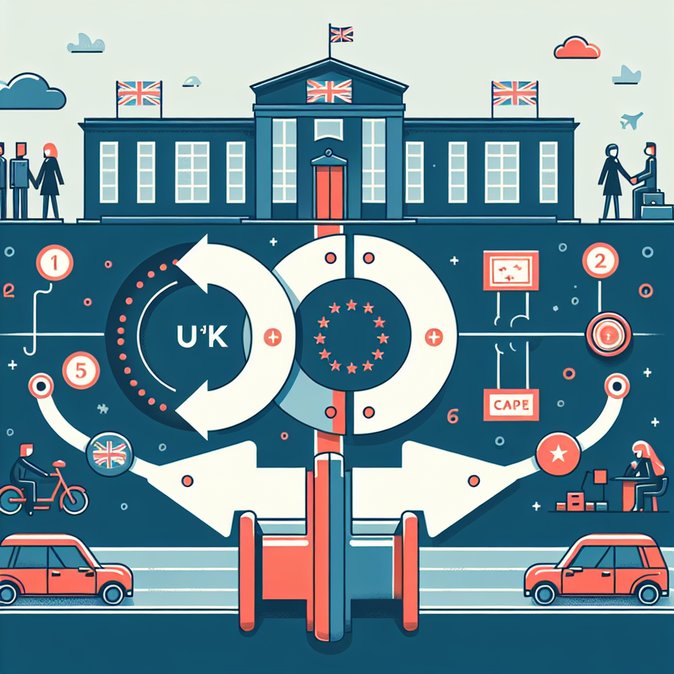
UK–EU youth mobility visa deal stalls over cap and tuition fees
Talks on reviving a Youth Mobility Scheme between the UK and EU have stalled because Britain wants to cap places at about 50,000, while Brussels demands unlimited visas subject to an emergency brake. Universities and employers warn that a hard cap and the refusal to offer “home-fee” tuition status to EU students could blunt the scheme’s economic benefits. With a June summit looming, multinationals should monitor negotiations and prepare contingency recruitment plans.