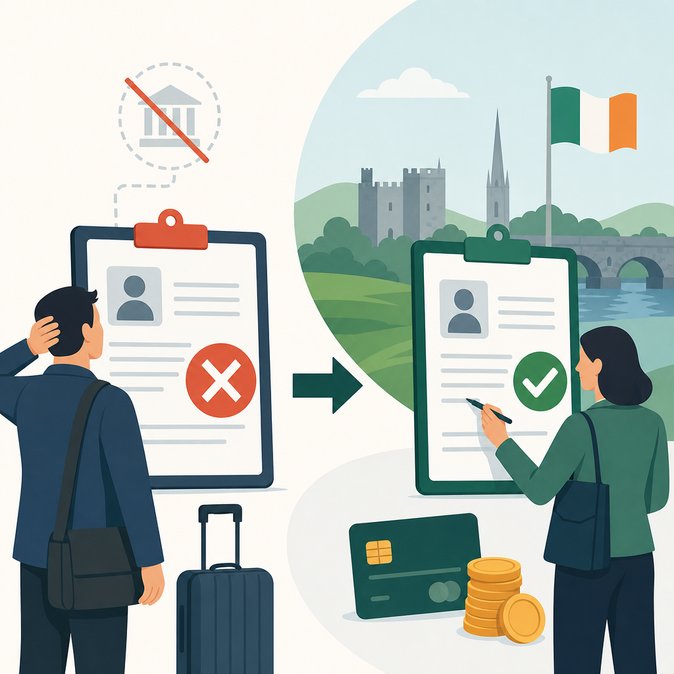
In one of the most sweeping administrative reforms of the Irish visa system in two decades, the Department of Justice, Home Affairs and Migration has scrapped the right to lodge an appeal against most refusals of short-stay (“Type C”) visas. The measure took legal effect on 1 June 2026 and was publicly confirmed on 2 June. Type C visas cover trips of up to 90 days for tourism, business meetings, conferences, training and short project assignments. Until now, unsuccessful applicants could request an internal review without paying a new fee; in 2025 almost 6,400 travellers used that channel. Officials argue that the process rarely delivered timely relief—appeal decisions often arrived weeks after the intended travel date—while tying up scarce visa-officer resources. By eliminating the appeal stage, the Department estimates it can redeploy roughly 25 experienced officers to reduce backlogs in work-permit, family-reunification and long-stay D-visa streams. The government also hopes the move will shorten median processing times for high-skilled employment permits, a recurring complaint from multinational employers operating out of Ireland’s tech and life-sciences hubs. For applicants, however, the change dramatically increases the penalty for incomplete or poorly documented files. Immigration advisers are warning companies to build extra lead time into travel planning and to insist on “appeal-proof” first submissions—comprehensive itineraries, clear evidence of funds, and robust ties to the home country. Corporate mobility teams are revisiting check-lists, and several global relocation firms report a surge in demand for pre-submission audits as businesses try to avoid the cost—and lost productivity—of having to start again from scratch. The reform does not affect cases covered by EU free-movement rules, which retain a statutory review right. Nor does it preclude a refused applicant from filing a brand-new application, but that requires a second visa fee (€60–€100) and a fresh biometrics appointment. Emerging markets with historically higher refusal rates—India, Nigeria and China—are likely to feel the biggest impact. Irish consular posts in those countries together processed more than 130,000 Type C applications last year, with an average refusal rate of 11 percent. Taken together, the policy illustrates a broader global trend toward front-loading scrutiny in visa processing. For Ireland, it signals that speed and efficiency for the wider system take precedence over what the Department views as a low-value internal appeal. For businesses and would-be visitors, the margin for error has just narrowed considerably.
Source: RusTourismNews