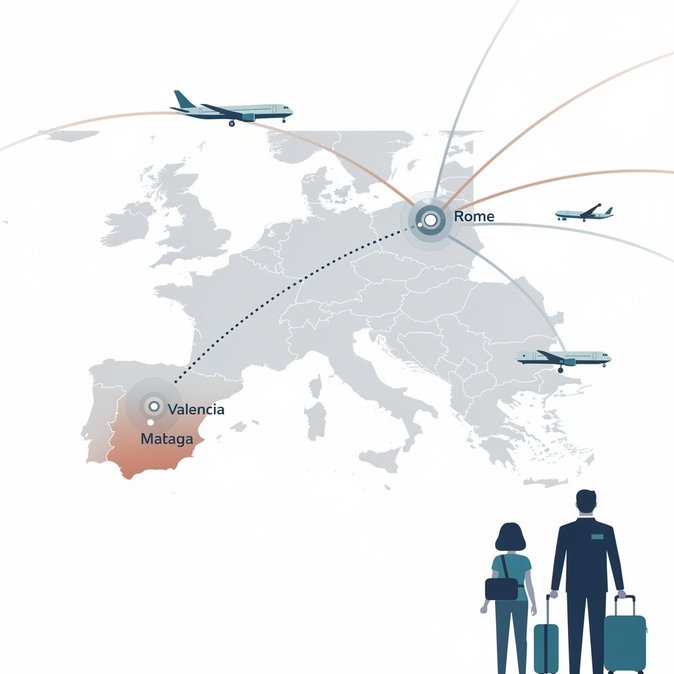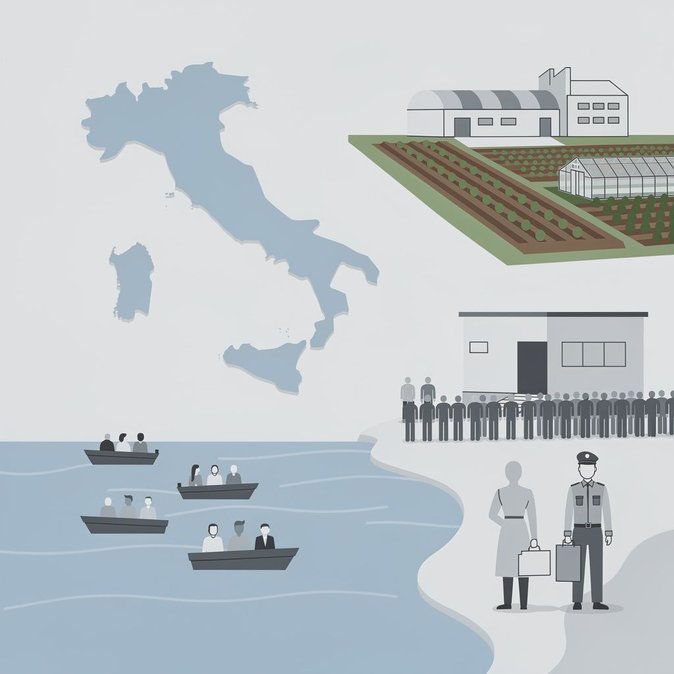
The Italian Ministry of the Interior published updated landing statistics on 11 June showing that 12,404 migrants have reached Italian shores since 1 January 2026. Although the figure is down 28 percent on the same period last year—largely due to expanded patrols coordinated with Libya and Tunisia—the composition of arrivals is shifting. Bangladesh now accounts for 31 percent of new entrants, overtaking traditional source countries such as Somalia and Pakistan. Law-enforcement agencies attribute the rise in Bangladeshi arrivals to smuggling routes that fly migrants to Istanbul and then move them by sea from western Greece to the Italian Adriatic. The trend has direct implications for employers in Italy’s hospitality and logistics sectors, which historically hire Bangladeshi nationals under seasonal or family-reunification quotas. Quota allocations for 2026 are already fully subscribed, meaning many newcomers may have to wait months in reception centres before accessing the labour market. Immigration lawyers warn corporates against attempting to regularise undocumented workers outside the official ‘Decreto Flussi’. Fines for illegal employment have doubled since January and can reach €50,000 per employee. Companies anticipating summer staffing gaps should instead explore intra-EU secondments or the new intra-company transferee (ICT) permit streamlinings introduced in February. From a policy angle, the data reinforce the Meloni government’s argument that the EU Migration Pact’s solidarity mechanism must be swiftly operationalised. Interior Minister Matteo Piantedosi reiterated that Italy will request relocation for at least 8,000 recognised refugees in 2026, focusing on vulnerable families and unaccompanied minors.
Source: AgenSIR