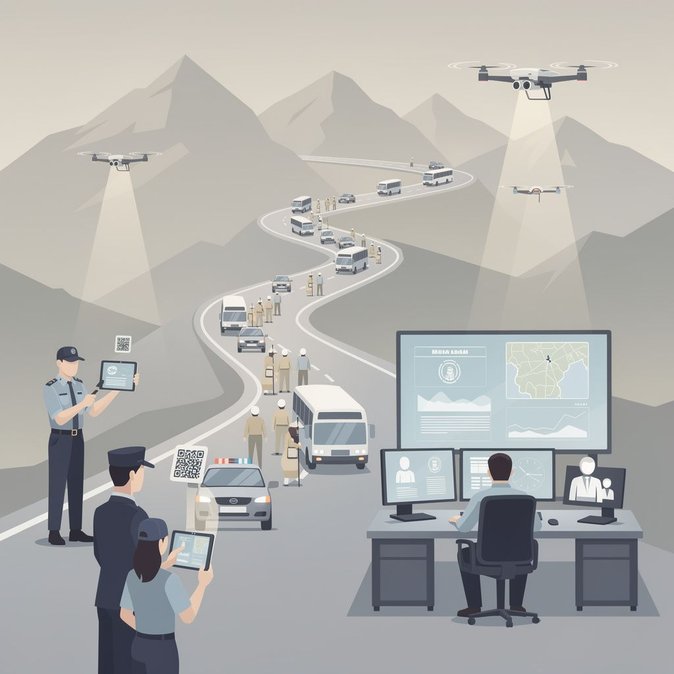
Union Home Minister Amit Shah chaired a high-level review in New Delhi on 12 June to finalise security and logistics for this year’s Amarnath Yatra, due to run from 3 July to 28 August. The pilgrimage, which attracts more than half-a-million domestic and overseas devotees, traverses high-altitude routes in Jammu & Kashmir that have been targeted by militant attacks and hit by flash-floods in previous years. Shah directed the Central Armed Police Forces, Indian Army and J&K Police to create an ‘impregnable multi-layered security grid’, backed by drones, QR-coded identity cards for all service providers and continuous CCTV coverage of camp sites.
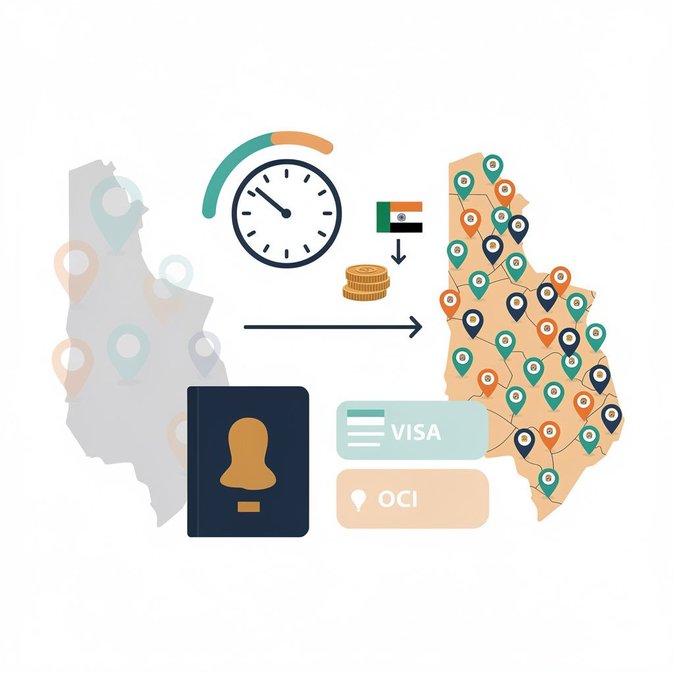
In this context, VisaHQ’s dedicated India portal (https://www.visahq.com/india/) can streamline visa processing and secure the compulsory Yatra Permits for NRIs, Nepalese citizens and other international pilgrims. The platform offers door-to-door document collection, real-time application tracking and personalised alerts—helping travellers meet stringent deadlines without diverting attention from their spiritual preparations.
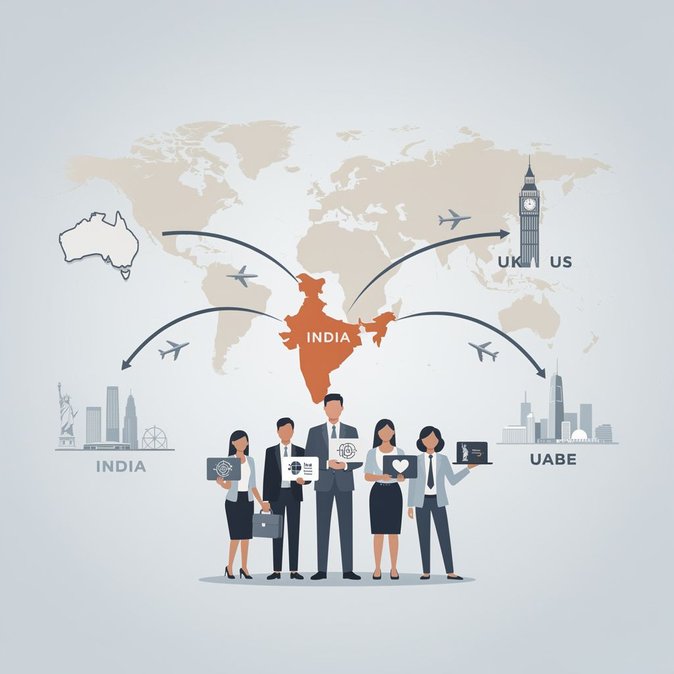
Batch movements of pilgrims will be strictly regulated based on real-time weather forecasts, and every pony handler, porter and langar organiser must register with facial-recognition-enabled databases. The ministry is also expanding helicopter services from Srinagar and Jammu to the cave-shrine base camps, adding 500 hospital beds and mandating satellite phones for tour operators. Foreign tourists—particularly NRIs and Nepalese citizens, who form the bulk of overseas yatris—must obtain Yatra Permits in advance and carry travel-insurance that covers helicopter evacuation. Corporate travel managers arranging faith-based incentive trips should budget extra time for security clearances at the Jawahar Tunnel and Baltal checkpoints, and advise participants that only RFID-tagged vehicles will be allowed beyond designated parking zones. Unregistered drones and satellite communication gear will be confiscated. The heightened measures follow last year’s cloudburst that killed 16 pilgrims and the 2024 terrorist ambush on a bus returning from Baltal, underlining that large gatherings in the Himalayas remain a complex mobility challenge.
In this context, VisaHQ’s dedicated India portal (https://www.visahq.com/india/) can streamline visa processing and secure the compulsory Yatra Permits for NRIs, Nepalese citizens and other international pilgrims. The platform offers door-to-door document collection, real-time application tracking and personalised alerts—helping travellers meet stringent deadlines without diverting attention from their spiritual preparations.
Batch movements of pilgrims will be strictly regulated based on real-time weather forecasts, and every pony handler, porter and langar organiser must register with facial-recognition-enabled databases. The ministry is also expanding helicopter services from Srinagar and Jammu to the cave-shrine base camps, adding 500 hospital beds and mandating satellite phones for tour operators. Foreign tourists—particularly NRIs and Nepalese citizens, who form the bulk of overseas yatris—must obtain Yatra Permits in advance and carry travel-insurance that covers helicopter evacuation. Corporate travel managers arranging faith-based incentive trips should budget extra time for security clearances at the Jawahar Tunnel and Baltal checkpoints, and advise participants that only RFID-tagged vehicles will be allowed beyond designated parking zones. Unregistered drones and satellite communication gear will be confiscated. The heightened measures follow last year’s cloudburst that killed 16 pilgrims and the 2024 terrorist ambush on a bus returning from Baltal, underlining that large gatherings in the Himalayas remain a complex mobility challenge.