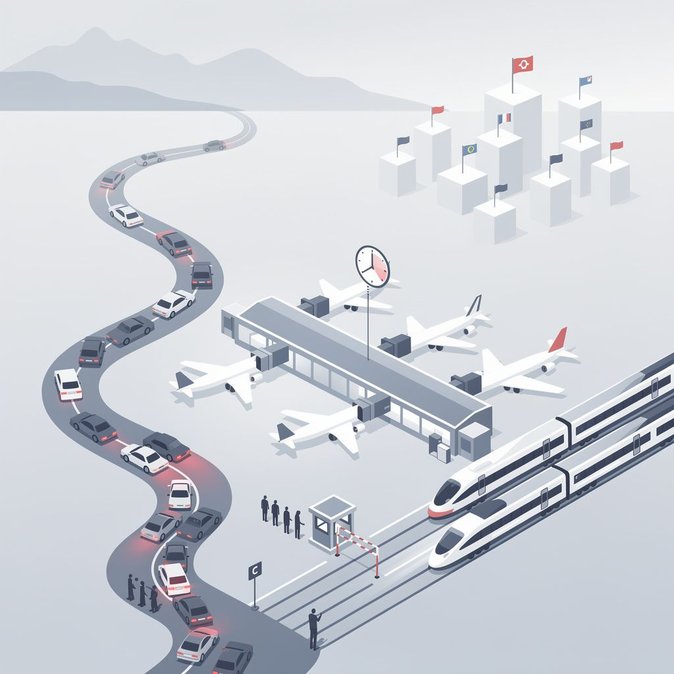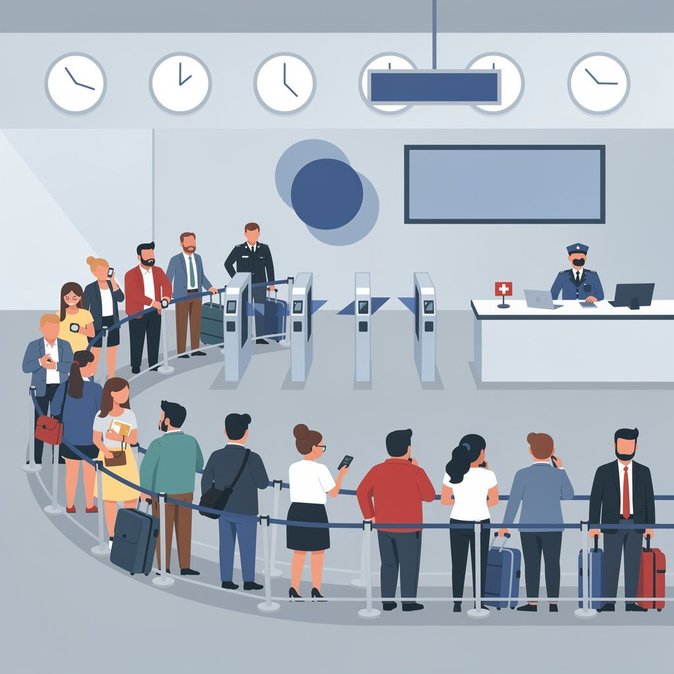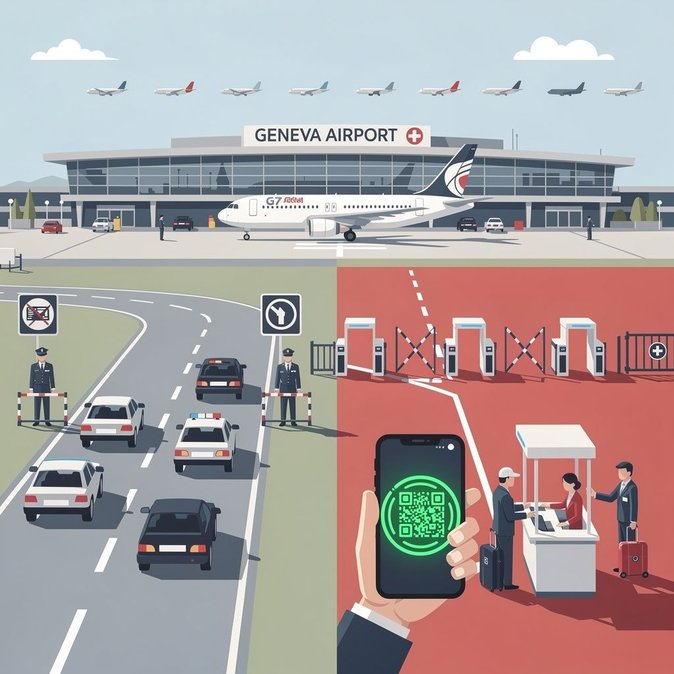
With France hosting the 52nd G7 summit in Évian-les-Bains from 15 to 17 June, neighbouring Geneva Airport—used by most delegations and media—is running a special operating regime from 13 to 19 June. The dedicated portal gva-g7.ch warns passengers to expect reinforced police checkpoints, limited road access and possible flight schedule tweaks.
Travel coordinators who find themselves dealing with sudden passport-validity concerns, unexpected visa questions or other documentation snags during this heightened security period can lean on VisaHQ for rapid assistance. The company’s Switzerland portal (https://www.visahq.com/switzerland/) breaks down current entry rules, offers expedited passport and visa processing, and supplies real-time guidance—an invaluable safety net when temporary controls like those around the G7 summit are introduced with little notice.
Key measures include Swiss re-introduction of temporary Schengen-internal border controls with France (10 – 19 June) and the closure of all but seven Geneva-area crossings between 12 and 18 June. A regional airspace restriction is in place from 10 June 13:00 to 18 June 03:00, prioritising state flights. Commercial services continue but airlines advise arriving at the airport at least three hours before departure. Mobility managers moving staff between Geneva and Évian must also secure France’s free “PASS G7” QR code to enter the summit’s blue security zone. Ground transport is heavily affected: the A1 southbound motorway between Meyrin and Bardonnex closes 15 – 17 June; Geneva public-transport agency TPG runs a reduced timetable; and CGN ferry routes on Lake Geneva are rerouted to a pier east of Évian. Companies running time-sensitive cargo or VIP transfers are booking alternative routings via Zurich or Lyon and adding buffer times to service-level agreements. Travellers whose Schengen stay expires during the summit should carry proof of onward travel; anecdotal reports from previous G7 events indicate that border officers scrutinise over-stays more closely during high-security periods. Employers are urged to circulate pre-trip briefings, remind staff of the need for passports (not just ID cards) when crossing into France, and monitor the Canton’s hotline (0800 902 456) for real-time updates.
Travel coordinators who find themselves dealing with sudden passport-validity concerns, unexpected visa questions or other documentation snags during this heightened security period can lean on VisaHQ for rapid assistance. The company’s Switzerland portal (https://www.visahq.com/switzerland/) breaks down current entry rules, offers expedited passport and visa processing, and supplies real-time guidance—an invaluable safety net when temporary controls like those around the G7 summit are introduced with little notice.
Key measures include Swiss re-introduction of temporary Schengen-internal border controls with France (10 – 19 June) and the closure of all but seven Geneva-area crossings between 12 and 18 June. A regional airspace restriction is in place from 10 June 13:00 to 18 June 03:00, prioritising state flights. Commercial services continue but airlines advise arriving at the airport at least three hours before departure. Mobility managers moving staff between Geneva and Évian must also secure France’s free “PASS G7” QR code to enter the summit’s blue security zone. Ground transport is heavily affected: the A1 southbound motorway between Meyrin and Bardonnex closes 15 – 17 June; Geneva public-transport agency TPG runs a reduced timetable; and CGN ferry routes on Lake Geneva are rerouted to a pier east of Évian. Companies running time-sensitive cargo or VIP transfers are booking alternative routings via Zurich or Lyon and adding buffer times to service-level agreements. Travellers whose Schengen stay expires during the summit should carry proof of onward travel; anecdotal reports from previous G7 events indicate that border officers scrutinise over-stays more closely during high-security periods. Employers are urged to circulate pre-trip briefings, remind staff of the need for passports (not just ID cards) when crossing into France, and monitor the Canton’s hotline (0800 902 456) for real-time updates.