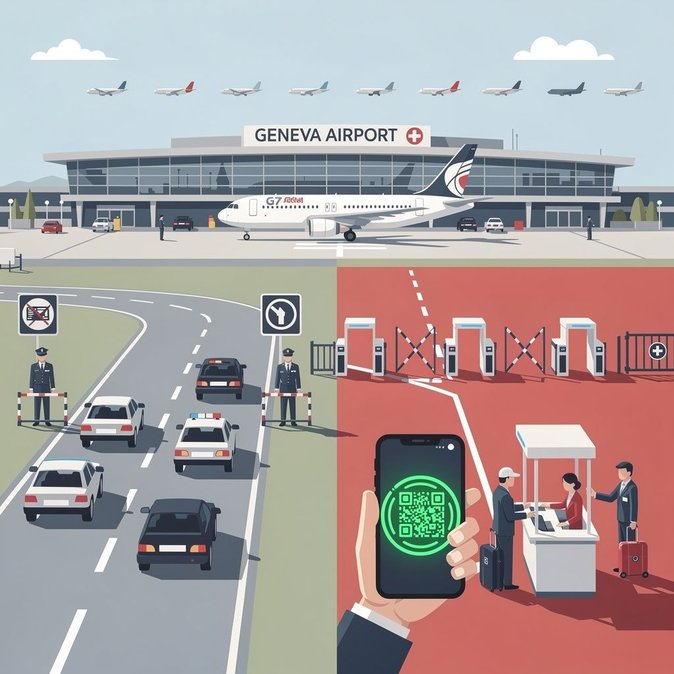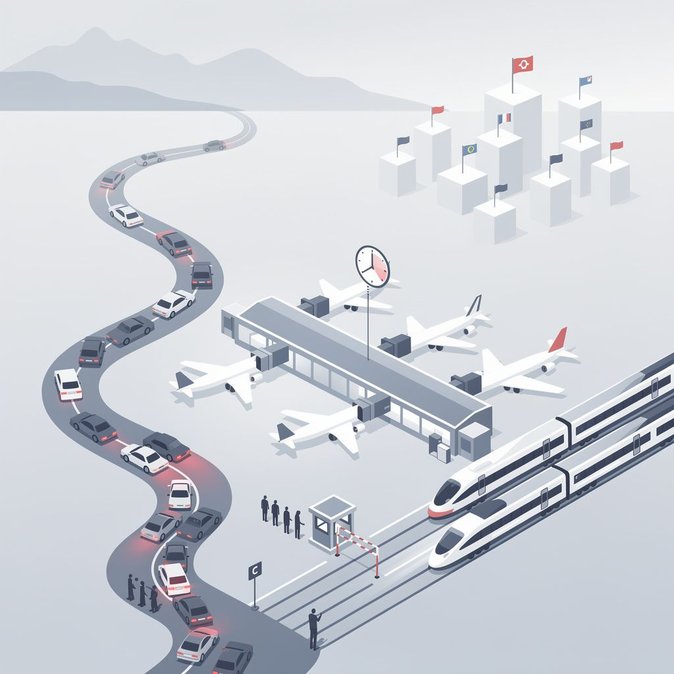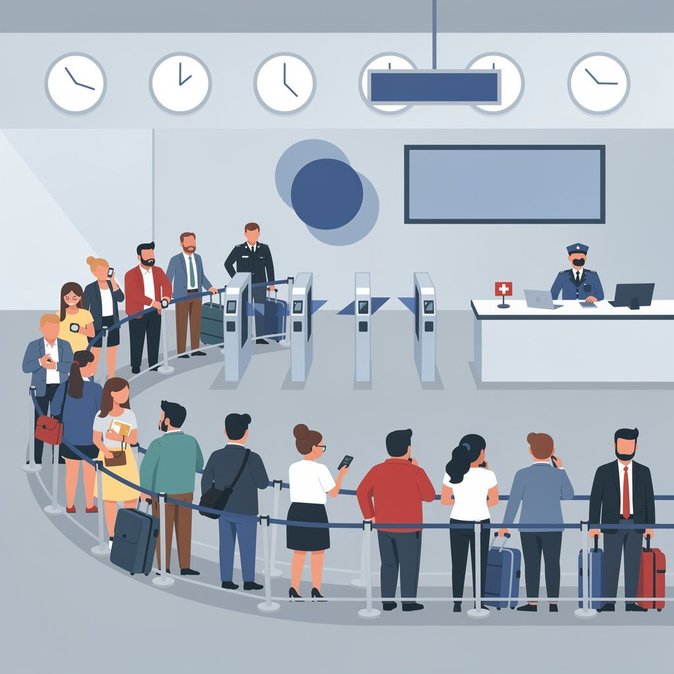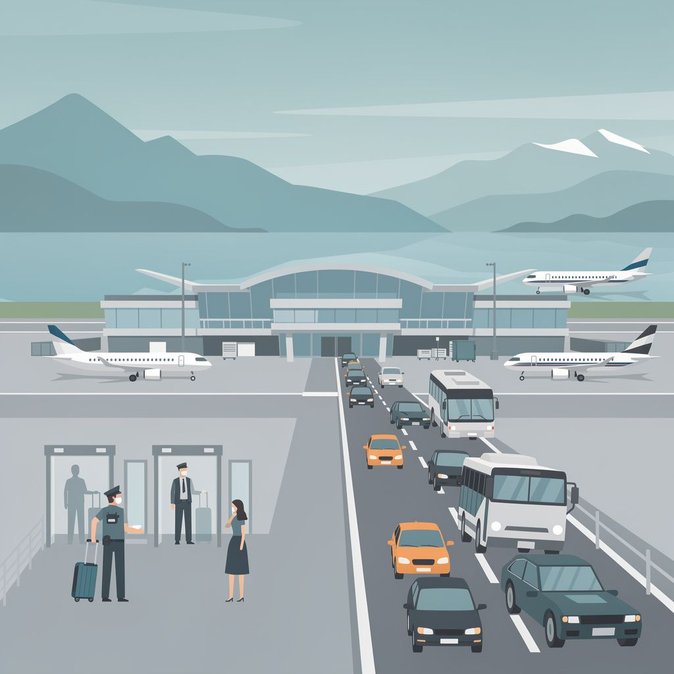
Geneva Airport (GVA) has published a dedicated microsite outlining how it will handle the influx of delegates, security personnel and media attending the G7 leaders’ meeting in neighbouring Évian-les-Bains, France, from 13 to 19 June 2026. Commercial flights will operate as scheduled, but the airport warns of intermittent slot adjustments and significant congestion on access roads and at border crossings. From 12 June, cantonal police have set up road checkpoints on the A1 motorway and secondary routes around the airport perimeter. Inside the terminal, additional security screening lines and an expanded Fast-Track corridor have been installed to separate summit traffic from regular passengers. Airlines have been instructed to submit updated crew and passenger manifests 48 hours in advance to facilitate Schengen border-police vetting. Ground-handling providers Dnata and Swissport report that VIP apron areas are nearing capacity; corporate operators planning ad-hoc business-jet movements must secure PPR slots at least 72 hours beforehand or divert to nearby Lyon-Saint-Exupéry. Freight forwarders are also advised that live-animal shipments and oversized cargo will not be accepted during the summit window. For HR and travel managers, the main takeaway is time. Travellers should budget an extra 60-90 minutes to reach the terminal, carry digital copies of invitation letters, and monitor the airport’s G7 portal for real-time updates. Those holding critical in-person meetings in the Lake Geneva region may wish to consider rail connections to Lausanne or Bern to bypass expected road closures. The coordination exercise offers a real-world test of Switzerland’s contingency planning ahead of next year’s ETIAS rollout and the Euro-2028 football tournament, both of which will similarly stress border infrastructure.
Source: Genève Aéroport