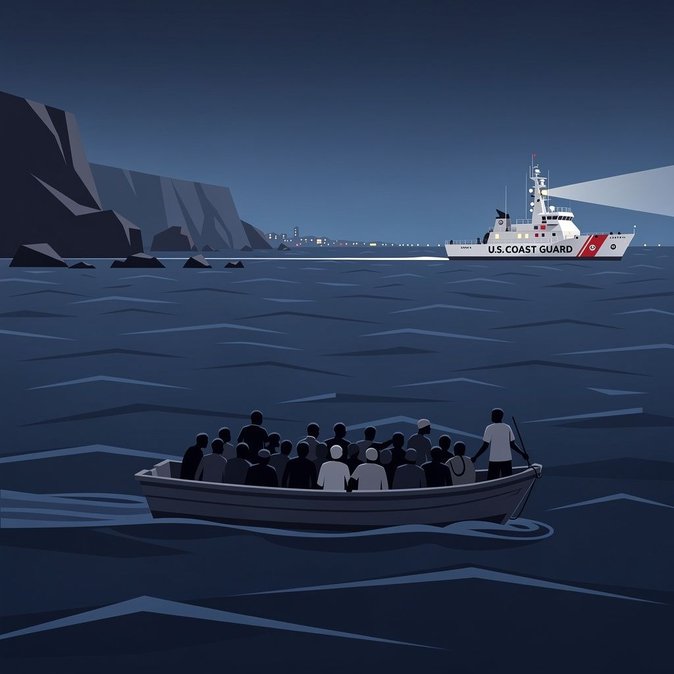
A Coast Guard Fast Response Cutter on routine patrol intercepted a 25-foot panga carrying 17 migrants approximately two miles off Sunset Cliffs, California, in the early hours of 13 June. According to the service’s press statement, the passengers—14 adult males, two women and one minor—were transferred to Customs and Border Protection (CBP) Air and Marine Operations for processing at Ballast Point. Maritime smuggling attempts along the Southern California coast have surged 27 percent year-on-year, driven in part by tightened land-border enforcement and lucrative trafficking fees. The Coast Guard said the operation reflects its layered strategy of aerial surveillance, maritime domain-awareness sensors and joint task-force coordination. For global-mobility stakeholders, the incident is a reminder that irregular migration routes can disrupt legitimate recreational boating and cruise operations. Charter companies and corporate travel planners organising team-building events on the water should account for possible law-enforcement boardings and schedule buffers. Port agencies also caution that increased interdictions may divert Coast Guard resources, potentially delaying clearances for commercial vessels arriving with time-critical cargo—including perishable goods needed for convention hospitality tied to upcoming World Cup matches in nearby Los Angeles. Local officials anticipate more patrol surges through the summer, and businesses using San Diego’s waterfront for events or logistics should monitor maritime-security bulletins and review insurance clauses covering force-majeure detentions.
Source: U.S. Coast Guard