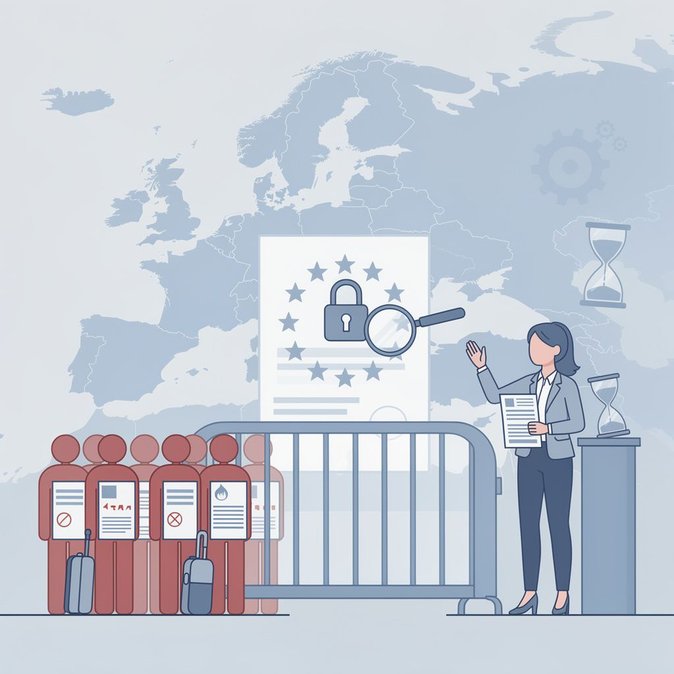
In a late-night interview on 15 June, Finnish Foreign Minister Elina Valtonen told RT’s Moscow bureau that Europe “should not become a playground for Russian holidaymakers this summer.” She called on the European Commission and fellow member states to raise the bar for issuing Schengen visas to Russian nationals, citing ongoing security concerns following Russia’s invasion of Ukraine. Finland already suspended tourist-visa issuance to Russians in 2023 and limits entry largely to humanitarian or family reasons, but Valtonen wants a coordinated EU-wide approach to prevent “visa shopping” through less restrictive consulates. She argued that divergent national practices undermine sanctions unity and place undue pressure on Finland’s eastern land frontier. An EU-level tightening could include higher evidentiary thresholds, longer processing times and, in extremis, activation of the bloc’s visa-waiver suspension mechanism. Brussels officials have so far said only that the issue will be “examined”. For mobility managers the remarks are an early warning: Russian employees or clients seeking Schengen access this summer may face extra scrutiny or outright refusals even if their travel is business-related. Companies should budget additional lead-time and be ready to supply stronger documentary proof of purpose, ties to Russia and travel-medical insurance. If an EU consensus emerges, Finland may adjust its existing guidelines again, potentially eliminating the few remaining discretionary tourist visas or limiting multiple-entry validity. Multinationals with Russian operations should track developments through both Finnish and EU channels.
Source: RT (Russian-language)