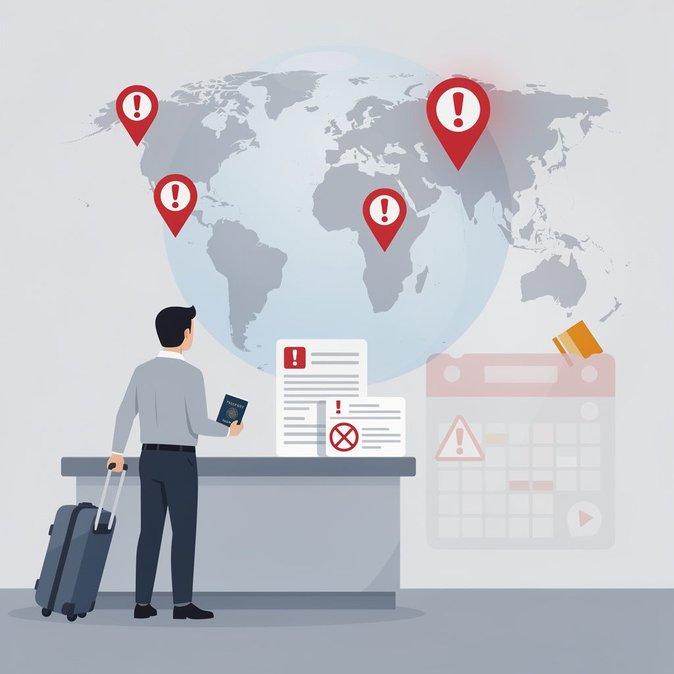
The independent tracker TravelAdvisory.io pulled updated data from the U.S. State Department at 02:00 EDT on June 17, confirming that 24 countries remain under the government’s highest Level 4 warning. Newly re-added since last week are Lebanon and Uganda, reflecting flare-ups in regional violence and Ebola outbreaks. Level 4 advises U.S. citizens to avoid travel because the government may have “limited or no ability to assist” in an emergency. Corporate travel-risk teams must now obtain senior-level waivers before routing staff to any of the listed destinations, and insurers may exclude coverage. Companies running project sites in Niger, Myanmar, or the DRC should activate evacuation plans and register travelers in the Smart Traveler Enrollment Program (STEP). The expanded list could also complicate visa processing: consular posts in Level 4 countries often suspend routine services, pushing applicants to third-country processing hubs. Mobility managers should anticipate longer lead-times for L-1 and E-2 visa issuance where employees reside in or hold passports from affected countries. State’s Bureau of Consular Affairs reiterated that advisories are reviewed “on a rolling basis.” Organizations should subscribe to the bureau’s e-mail alerts and integrate the API feed into travel-approval workflows for automated flags.
Source: TravelAdvisory.io