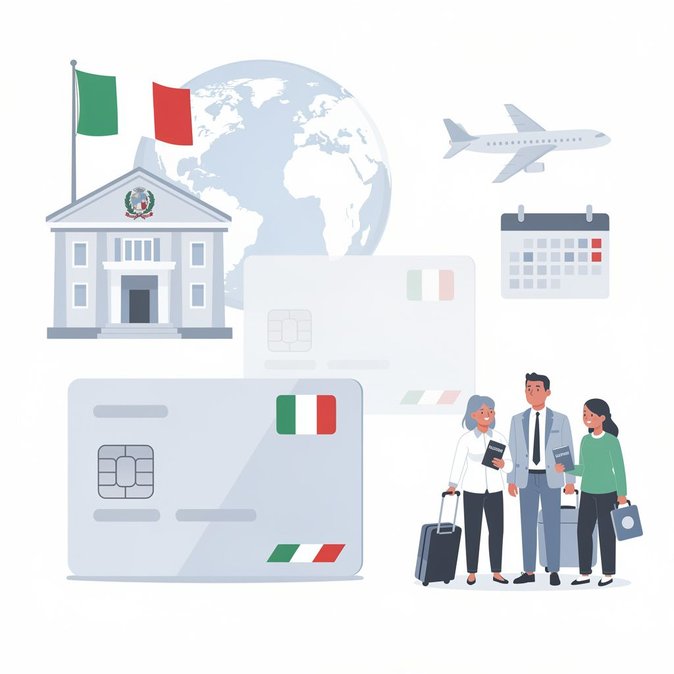
The Italian consular network in Germany confirmed on 18 June that the electronic identity card (CIE) system is now stable after a bumpy launch on 1 June, when AIRE-registered citizens first became eligible to apply in any Italian municipality. In a broadcast on COSMO Italiano, embassy officials revealed that 13 000 cards were issued to expats between 1 and 11 June. Demand spiked because paper IDs are due to lose validity for international travel on 3 August 2026.
For Italians based in Germany who need help navigating the CIE application – or for companies coordinating multiple employee requests – the document specialists at VisaHQ offer step-by-step guidance and a secure review service. Their Italy portal (https://www.visahq.com/italy/) sets out current requirements, turnaround times and delivery options, making it easier to gather the right paperwork and avoid last-minute hiccups.
The interior ministry has extended the domestic validity of paper IDs, but consulates warn they will no longer be accepted as travel documents abroad. Consequently, priority visa-booking slots on the Prenot@Mi platform are being reserved for Italians who lack any other valid document. The CIE, delivered by registered post from Rome, doubles as a secure authentication token for INPS, Agenzia delle Entrate and – crucially for cross-border workers – Germany’s Bund-ID portal. Applicants must activate the card’s PIN; without it, online services remain inaccessible. For mobility planners the message is clear: ensure travelling staff and accompanying family members who rely on an Italian ID apply for the CIE well before the August cut-off. Companies should also update onboarding packs to explain how to use the CIE for remote identification and e-signatures when signing German rental contracts or registering with local authorities.
For Italians based in Germany who need help navigating the CIE application – or for companies coordinating multiple employee requests – the document specialists at VisaHQ offer step-by-step guidance and a secure review service. Their Italy portal (https://www.visahq.com/italy/) sets out current requirements, turnaround times and delivery options, making it easier to gather the right paperwork and avoid last-minute hiccups.
The interior ministry has extended the domestic validity of paper IDs, but consulates warn they will no longer be accepted as travel documents abroad. Consequently, priority visa-booking slots on the Prenot@Mi platform are being reserved for Italians who lack any other valid document. The CIE, delivered by registered post from Rome, doubles as a secure authentication token for INPS, Agenzia delle Entrate and – crucially for cross-border workers – Germany’s Bund-ID portal. Applicants must activate the card’s PIN; without it, online services remain inaccessible. For mobility planners the message is clear: ensure travelling staff and accompanying family members who rely on an Italian ID apply for the CIE well before the August cut-off. Companies should also update onboarding packs to explain how to use the CIE for remote identification and e-signatures when signing German rental contracts or registering with local authorities.