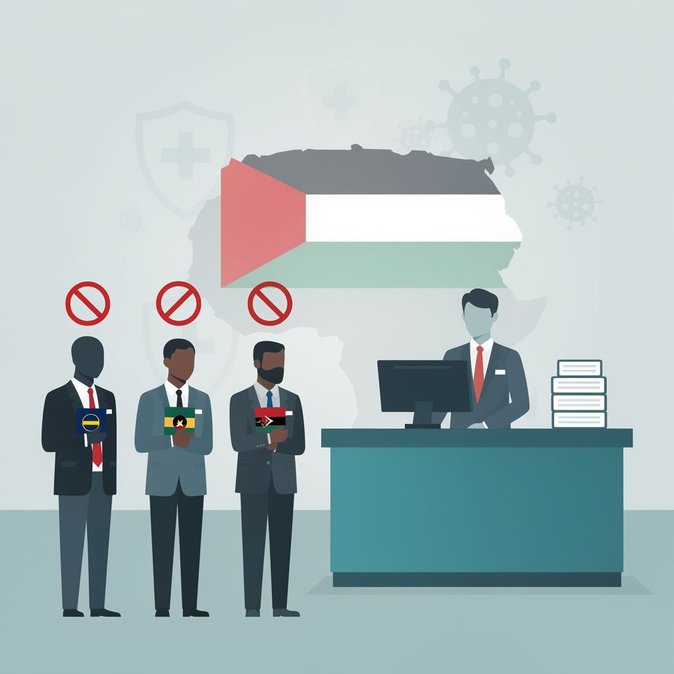
Emirates has become the second Gulf carrier this week to sweeten tickets with optional crisis insurance, unveiling “Comprehensive Travel Cover” on 19 June 2026. The add-on, underwritten by AIG’s Travel Guard, reimburses up to US $25,000 in medical expenses—even those arising from conflict-related incidents—and extends hotel accommodation plus free re-routing if regional airspace closures strand the traveller. The product expands on COVID-era medical cover programmes and directly tackles a new consumer fear: geopolitical disruption in the Middle East.
While insurance mitigates medical and logistical risks, travelers still need to secure the correct entry documentation. Online specialists like VisaHQ can streamline the visa process for the United Arab Emirates and dozens of other destinations, offering step-by-step guidance, real-time tracking and customer support—see https://www.visahq.com/united-arab-emirates/ for details.
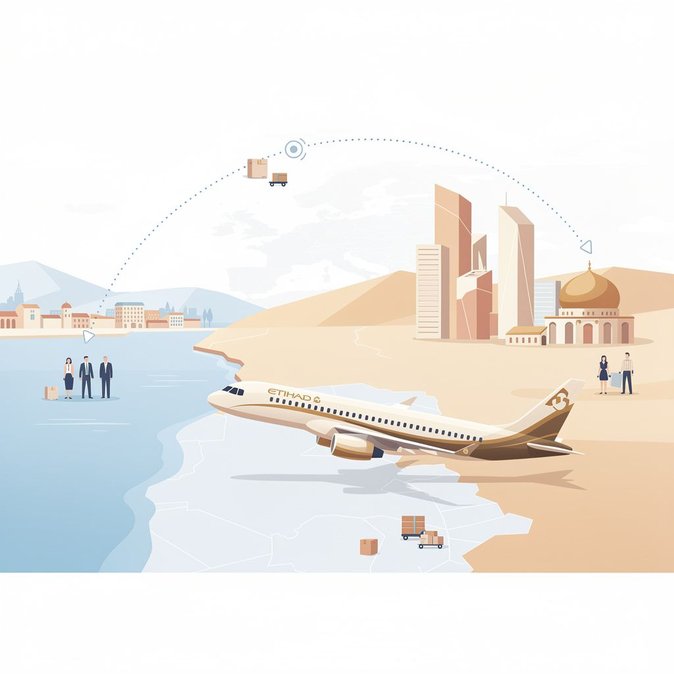
Emirates says the policy will be available at booking or via “Manage My Booking” and is valid regardless of government travel advisories. For corporate mobility teams the scheme offers an extra mitigation layer when routing staff through Dubai, the world’s busiest long-haul interchange. Travel managers should, however, scrutinise overlap with existing corporate medical and security-evacuation policies to avoid paying twice for similar benefits. Emirates’ move follows Etihad’s decision earlier this week to offer free medical cover for passengers transiting Abu Dhabi. Together, the initiatives mark an industry trend: Gulf super-connectors are bundling insurance perks to restore the value proposition of their hubs after months of conflict-driven flight rerouting. If passenger uptake proves strong, analysts expect competing alliances and Asian hubs to replicate the model, potentially reshaping ancillary-revenue streams across the airline sector.
While insurance mitigates medical and logistical risks, travelers still need to secure the correct entry documentation. Online specialists like VisaHQ can streamline the visa process for the United Arab Emirates and dozens of other destinations, offering step-by-step guidance, real-time tracking and customer support—see https://www.visahq.com/united-arab-emirates/ for details.
Emirates says the policy will be available at booking or via “Manage My Booking” and is valid regardless of government travel advisories. For corporate mobility teams the scheme offers an extra mitigation layer when routing staff through Dubai, the world’s busiest long-haul interchange. Travel managers should, however, scrutinise overlap with existing corporate medical and security-evacuation policies to avoid paying twice for similar benefits. Emirates’ move follows Etihad’s decision earlier this week to offer free medical cover for passengers transiting Abu Dhabi. Together, the initiatives mark an industry trend: Gulf super-connectors are bundling insurance perks to restore the value proposition of their hubs after months of conflict-driven flight rerouting. If passenger uptake proves strong, analysts expect competing alliances and Asian hubs to replicate the model, potentially reshaping ancillary-revenue streams across the airline sector.