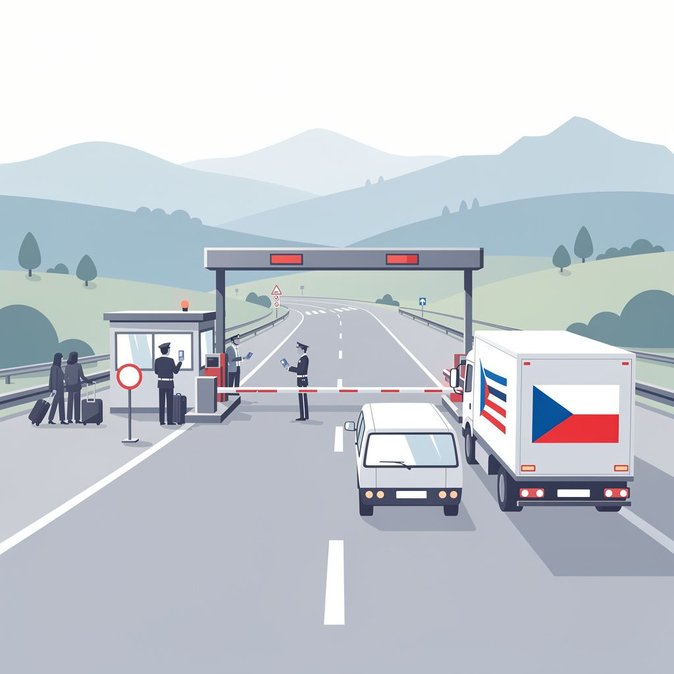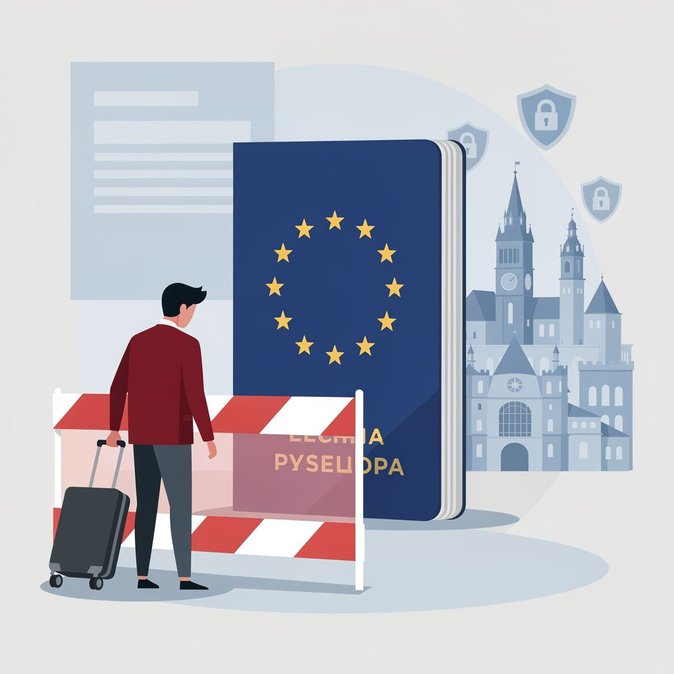
A coalition of eleven EU member states—including Czechia—has tabled a motion for the 20 June meeting of interior ministers that would tighten the issuance of Schengen tourist visas for Russian nationals while the war in Ukraine continues. The proposal, led by Sweden, argues that weekend shopping trips and beach holidays undermine the sanctions regime and pose security risks. Under the draft, consulates would apply a presumption of refusal to Category ‘C’ tourist visas unless applicants demonstrate humanitarian grounds or close-family ties inside the EU. Member states could still issue national long-stay visas for study or work, but only after enhanced security screening.
For travellers and companies trying to stay ahead of these changing requirements, VisaHQ can help by providing real-time updates and end-to-end assistance with Czech and other Schengen visa applications—streamlining forms, appointments, and documentation checks. Visit https://www.visahq.com/czech-republic/ for details on how to navigate the process smoothly.
Czech Interior Minister Vít Rakušan signalled Prague’s support, calling the measure “a logical extension of our existing suspension of Russian tourist visas.” Czechia stopped processing such visas in March 2022 but continues to see Russians obtain visas via other Schengen states and then enter through Prague Airport’s Terminal 1. Business implications: tour operators should prepare for a sharp fall in Russian bookings, while hotels may need to re-target summer marketing. Conversely, Czech manufacturers with service personnel travelling to Russian plants could face tit-for-tat visa delays and should apply well in advance. EU diplomats expect heated debate, as some Mediterranean states fear losing high-spending visitors. A qualified-majority vote could come as early as September if the bloc maintains unity.
For travellers and companies trying to stay ahead of these changing requirements, VisaHQ can help by providing real-time updates and end-to-end assistance with Czech and other Schengen visa applications—streamlining forms, appointments, and documentation checks. Visit https://www.visahq.com/czech-republic/ for details on how to navigate the process smoothly.
Czech Interior Minister Vít Rakušan signalled Prague’s support, calling the measure “a logical extension of our existing suspension of Russian tourist visas.” Czechia stopped processing such visas in March 2022 but continues to see Russians obtain visas via other Schengen states and then enter through Prague Airport’s Terminal 1. Business implications: tour operators should prepare for a sharp fall in Russian bookings, while hotels may need to re-target summer marketing. Conversely, Czech manufacturers with service personnel travelling to Russian plants could face tit-for-tat visa delays and should apply well in advance. EU diplomats expect heated debate, as some Mediterranean states fear losing high-spending visitors. A qualified-majority vote could come as early as September if the bloc maintains unity.