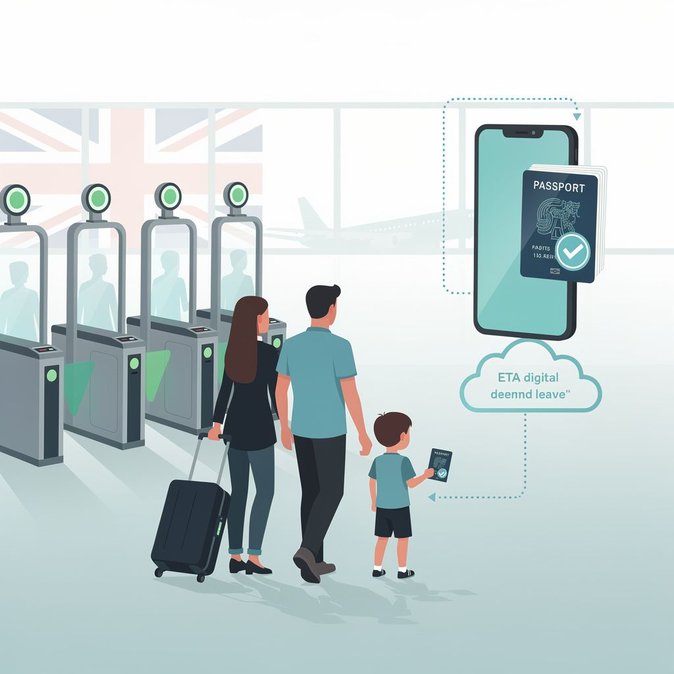
Both Houses of Parliament gave final approval on 20 June 2026 to the Draft Immigration (Leave to Enter and Remain) (Amendment) Order 2026, completing its journey from delegated committee to the floor in just four days. The statutory instrument, laid on 14 May, lowers the minimum age for e-Gate use from 12 to 10, formally incorporates Electronic Travel Authorisation (ETA) holders into the category of ‘deemed leave’, and enables the Home Secretary to issue digital ‘proof of status’ notices rather than vignette transfers when passports are renewed. The tweaks may look technical, but for mobility programmes they are pivotal. Lowering the e-Gate age should shave minutes off family clearance times at Heathrow and Gatwick during the school-holiday surge, reducing the risk of missed domestic connectors. More significantly, classifying ETA arrivals as having leave to enter under section 11 of the Immigration Act 1971 closes a long-criticised legal grey area and brings carrier liability, right-to-work and right-to-rent checks into a single digital framework. The Order also grants UK Visas & Immigration the power to issue an electronic “status share code” automatically when a traveller updates their passport mid-assignment. Employers sponsoring staff under the Skilled Worker or Global Business Mobility routes will therefore no longer need to request a biometric card re-issue merely because a passport number changed—saving an estimated £12 million in administration annually, according to the Home Office’s impact note. During the brief Commons debate, Immigration Minister Anneliese Dodds said the measure is “another step towards retiring physical documents entirely by the end of 2026,” confirming that Biometric Residence Permits will stop being issued from December 2026. Opposition MPs secured a review clause requiring annual publication of queue-time data and privacy-impact assessments. Global-mobility managers should update arrival briefings: children aged 10 and 11 may now follow parents through the e-Gate lanes; however airlines will not receive new Advance Passenger Information schema until late July, so check-in staff may still direct some families to manual desks in the interim.
How VisaHQ can help
VisaHQ simplifies the visa application process for individuals and businesses. Check current travel requirements, prepare the required documents and manage your application online through the VisaHQ United Kingdom portal.More From United Kingdom
View all
Sellafield construction strike reaches day 6 on 20 June, heightening travel and accommodation headaches for rotating project staff

Fatal Channel crossing on 20 June prompts manslaughter arrest and renews scrutiny of UK small-boat deterrence