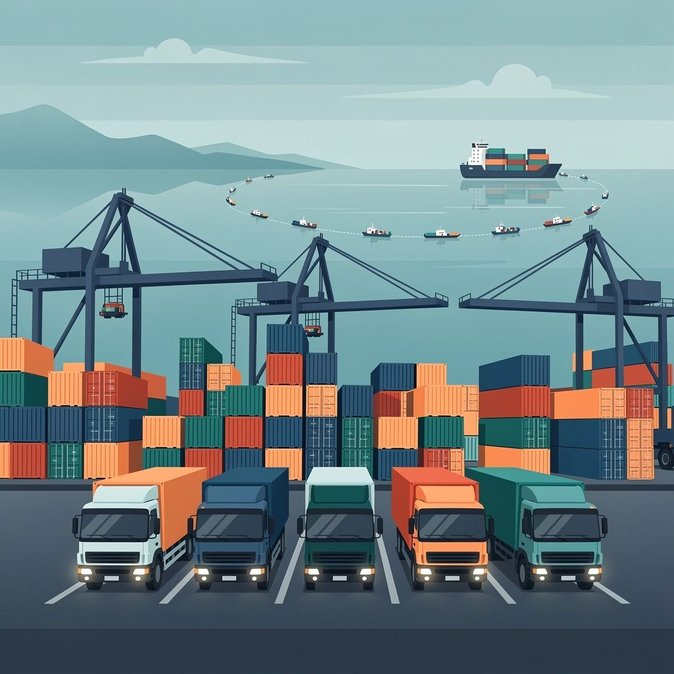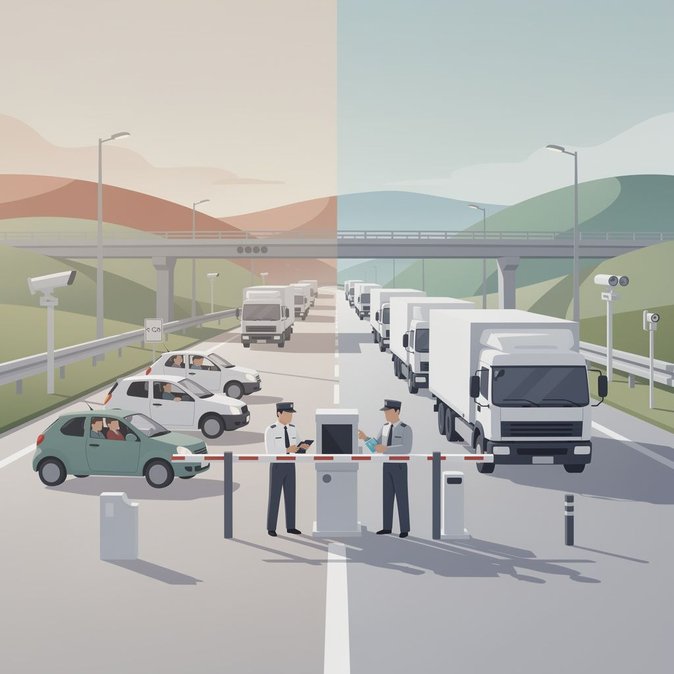
Rome has confirmed that the temporary re-introduction of Schengen internal-border controls on the Italian-Slovenian land frontier—first put in place ahead of the February 2026 Milano-Cortina Winter Olympics—will remain in force for a further six-month period, running from 19 June to 18 December 2026. The decision, published on 21 June 2026 in the European Commission’s updated Schengen notification table, cites continued threats of terrorist infiltration along the Western Balkan route, persistent irregular-migration pressure, and the presence of organised smuggling networks. While passport-free travel formally remains suspended only at designated crossing points, business visitors, cross-border commuters and road-freight operators are being warned to factor in police inspection times of up to 30 minutes during peak weekends. For multinationals with manufacturing clusters stretching from Friuli-Venezia Giulia into Slovenia’s Goriška and coastal regions, the extension means contingency plans drawn up for the post-Olympic “return to Schengen normality” will have to be shelved. Logistics firms moving components between Italian plants and Slovene suppliers are already reporting driver-hour overruns and are rerouting some high-value cargo via Austria or the Port of Koper to avoid delays. The regional employers’ association Confindustria Alto Adriatico estimates the extra administrative burden at “€40–50 per truck movement” once waiting time, fuel and compliance costs are included. Legal advisers note that work-permit holders and posted workers who routinely cross the border must now carry both their passports and Italian soggiorno permits, as police have stepped up on-the-spot document checks. Companies are urged to brief staff, ensure that A1 social-security certificates and posted-worker notifications are valid, and update posted-worker registers in line with Italy’s Legislative Decree 136/2016 to avoid fines. EU interior ministers are due to debate the wider phasing-out of prolonged internal border controls at the Justice and Home Affairs Council in July, but observers say Italy is unlikely to lift the measure before the Universal Jubilee peaks in Rome in spring 2027. Until then, travellers should monitor the Ministry of the Interior’s dedicated border-control microsite for real-time queue data and authorised crossing-point opening hours.