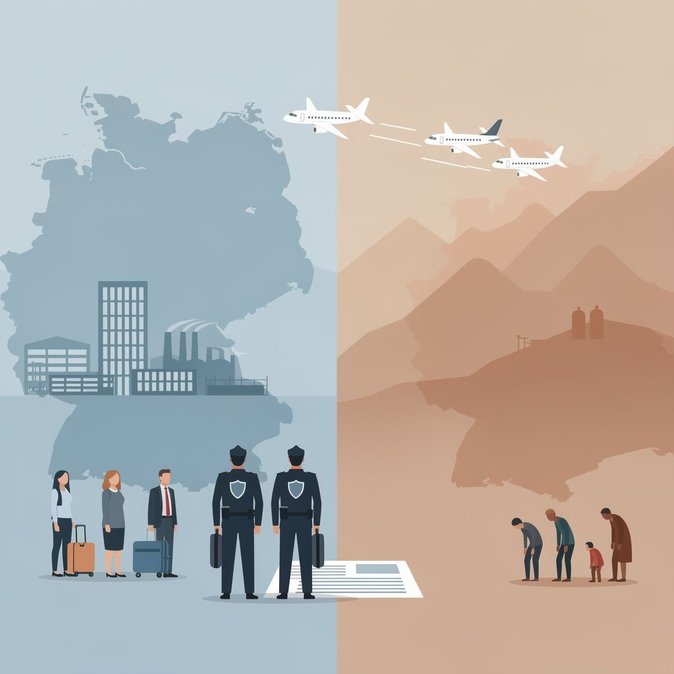
Germany’s Interior Ministry has confirmed plans to expand the number of charter flights deporting Afghan nationals convicted of serious crimes from one to as many as three per month. The tougher schedule is part of a wider strategy outlined by Interior Minister Alexander Dobrindt to demonstrate that foreign offenders who “abuse Germany’s protection” will be removed swiftly. According to figures published by the ministry, about 100 Afghan prisoners or detainees are currently considered ‘deportation-ready’; they will be prioritised for the new flights, which will depart from Leipzig/Halle and Frankfurt airports. The announcement caps months of discreet talks between German officials and Taliban representatives over logistical arrangements and identity-verification. Berlin maintains that the cooperation does not amount to diplomatic recognition of the Taliban but is a “technical necessity”. Human-rights groups, led by Pro Asyl and Amnesty International, warn that Germany risks legitimising a regime that systematically violates basic rights, especially women’s rights, and that returnees may face torture or revenge attacks. Politically, the move has split the governing coalition. The SPD and FDP back the Interior Ministry’s security argument, while the Green Party has voiced “grave ethical concerns”. Conservative opposition parties argue the expansion still falls short of public expectations. The policy is likely to face a flurry of legal challenges in Germany’s administrative courts, where lawyers can invoke international anti-torture conventions to halt individual removals. For global-mobility managers the decision signals a harsher compliance environment: any Afghan employee who loses legal status after a criminal conviction can expect rapid removal and will no longer benefit from prolonged appeal windows. Companies sponsoring Afghan staff should review risk profiles, ensure workers’ residence titles remain valid and prepare contingency staffing plans. More broadly, other EU capitals are watching Berlin’s approach as a possible template for engaging with the Taliban on returns. If additional member states follow suit, the EU could see a patchwork of bilateral deportation deals, complicating legal uniformity across Schengen and increasing reputational risk for multinationals operating in Afghanistan.
Source: Merkur