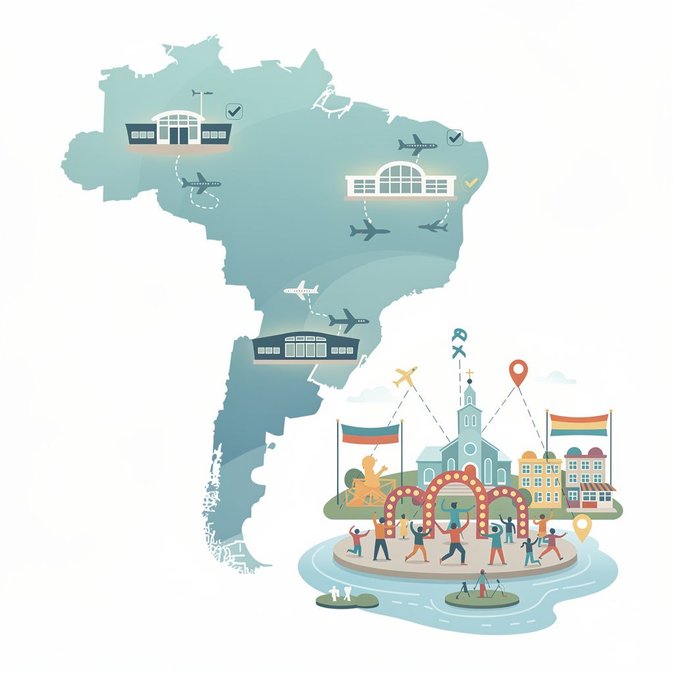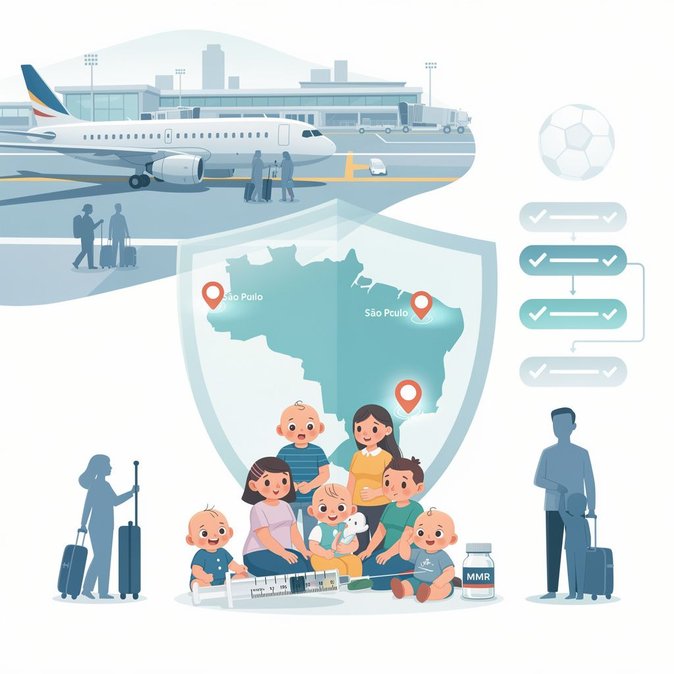
Brazil’s Ministry of Health on 26 June urged parents to give children aged 6–11 months an extra ‘dose zero’ of the MMR vaccine in the municipalities of São Paulo and Guarulhos after three imported measles cases were confirmed near the country’s busiest international airport. Roughly 100,000 additional doses will be shipped this weekend, the ministry said. Two of the infected children attend the same crèche; epidemiologists believe the index case was exposed to an overseas traveller transiting through Guarulhos Airport. Although the outbreak is small, authorities fear that June–July holiday traffic and heightened mobility linked to World-Cup fan travel to North America could accelerate transmission. Under federal port-health rules, airlines must deny boarding to visibly ill passengers and report any suspected rash illnesses detected on inbound flights. Crew members who lay over in either city are being advised by corporate medical providers to check immunisation records and carry digital certificates via the ConecteSUS app. Global mobility teams organising short-term projects in São Paulo’s industrial belt should build vaccination verification into pre-trip checklists, particularly for dependants. The ministry’s alert also references surging measles numbers in the 2026 World-Cup host nations—the United States, Canada and Mexico—which collectively logged more than 15,000 cases in the past 18 months. Brazilian fans heading to matches are encouraged to obtain proof of two MMR doses; some US ports of entry now offer on-arrival jabs but at high out-of-pocket cost. Companies with incentive-travel programmes should communicate these requirements early to avoid denied-boarding incidents. If additional cases emerge, Anvisa could reactivate the electronic Traveller’s Health Declaration it suspended in March. The agency confirmed to Agência Brasil that contingency coding remains in place and can be re-deployed within 48 hours.
Source: Agência Brasil
How VisaHQ can help
VisaHQ simplifies the visa application process for individuals and businesses. Check current travel requirements, prepare the required documents and manage your application online through the VisaHQ Brazil portal.More From Brazil
View all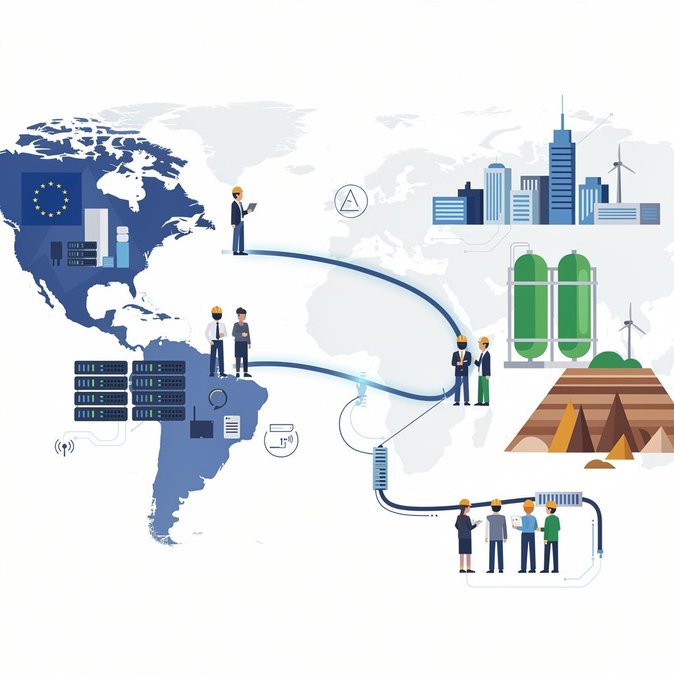
EU Commissioner wraps up Global Gateway mission, unlocking €260 million for Brazil-EU connectivity
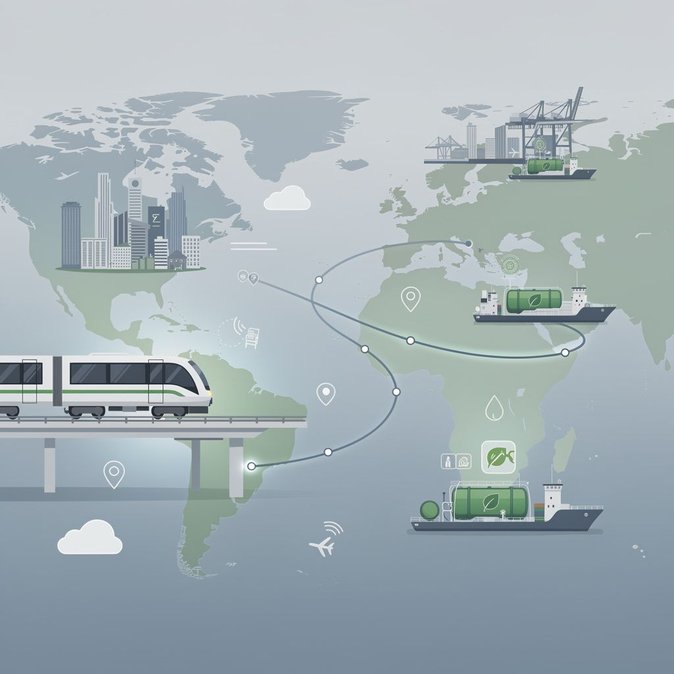
EU Global Gateway mission pledges €260 million for Brazil–Europe digital corridor and metro mobility projects