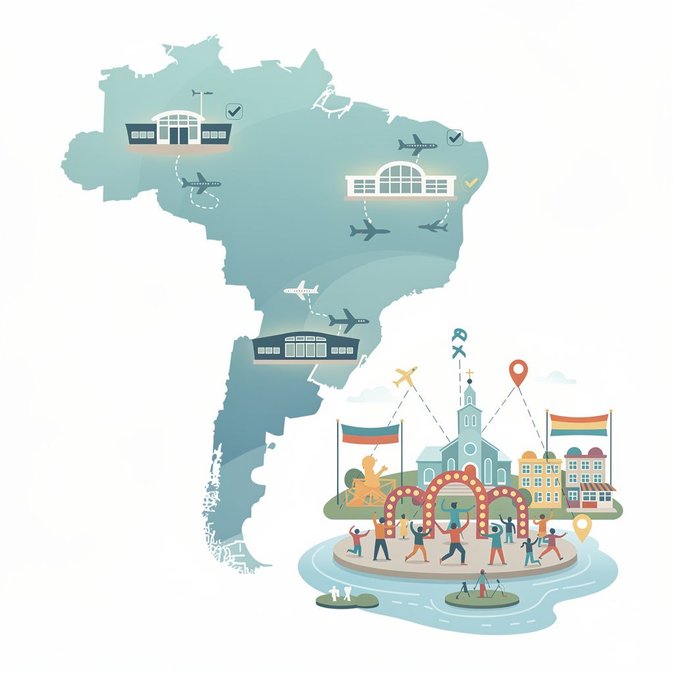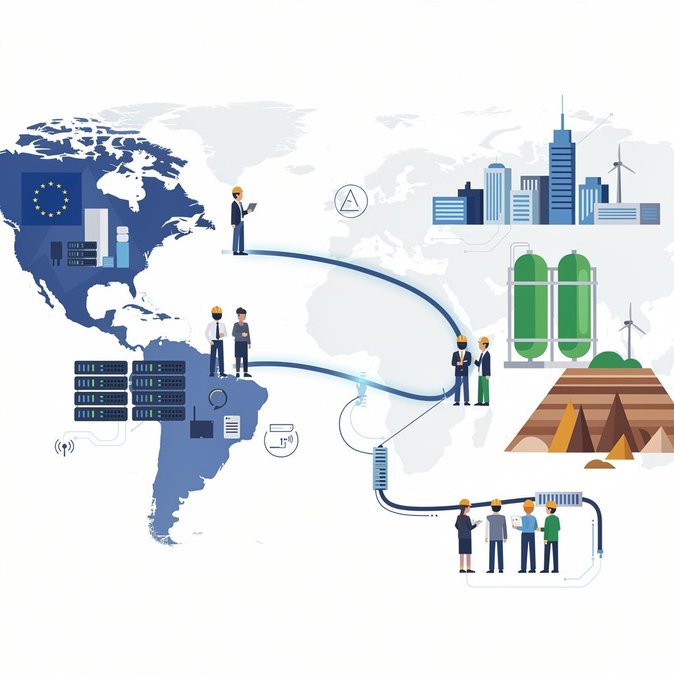
The European Union’s Commissioner for International Partnerships, Jozef Síkela, closed a six-day investment mission to Brazil on 26 June 2026. Over the course of the trip the Commissioner visited four states, met President Luiz Inácio Lula da Silva and senior ministers, and opened two high-level business forums. The centre-piece was the announcement of a €260.8 million Global Gateway package that will upgrade the EllaLink fibre-optic corridor linking Fortaleza to Sines, adding smart nodes, cyber-resilience features and environmental sensors. A second deal extends satellite-backed broadband to five remote Amazon communities in partnership with the Manaus-based INDT, Nokia and Hispasat. The pilot is designed to be scaled nation-wide and is expected to improve access to tele-medicine and digital public services for thousands of Indigenous residents, while also opening new markets for EU telecom suppliers. For corporate mobility managers, the most eye-catching element was the green-hydrogen track. The EU confirmed €3 million in technical-assistance grants for eight Brazilian projects preparing bankable proposals for the North-East Green Energy Park; lenders say final contracts could be signed as early as October, triggering a wave of expatriate engineering assignments and short-term business travel between Brazil and European shipbuilding hubs. The delegation also toured São Paulo’s 15-kilometre Metro Line 6, built by a European consortium. According to metro officials, the project has already issued more than 1,200 specialist visas for European tunnelling and signalling experts and anticipates a further 700 assignments in the next 12 months as work accelerates toward the 2028 opening. EU officials hinted that follow-on financing from the European Investment Bank could support an extension to Guarulhos Airport—another boost for intra-company transfers. Why it matters: the mission signals that Brazil is becoming a priority destination for the EU’s €10 billion Latin-American investment agenda. Companies that depend on smooth cross-border postings should monitor forthcoming tender documents, because most Global Gateway contracts will carry localisation and skills-transfer clauses that could shape future work-permit quotas. Travel managers should also note the Commissioner’s call for “streamlined, digital visa processes” to accompany the projects—an early indicator that Brasília may fast-track e-visa pathways for EU technical personnel.
Source: European Commission – DG INTPA
How VisaHQ can help
VisaHQ simplifies the visa application process for individuals and businesses. Check current travel requirements, prepare the required documents and manage your application online through the VisaHQ Brazil portal.More From Brazil
View all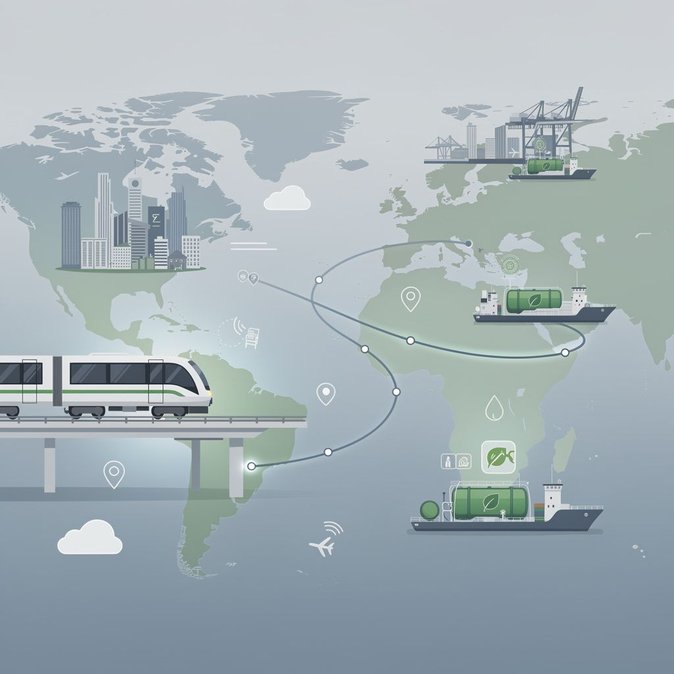
EU Global Gateway mission pledges €260 million for Brazil–Europe digital corridor and metro mobility projects
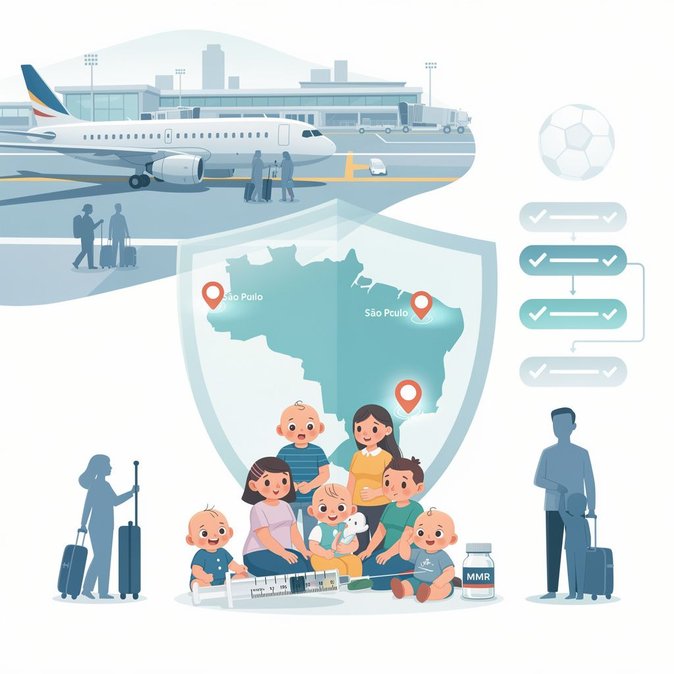
Health Ministry issues measles-vaccination alert for São Paulo and Guarulhos travel hub