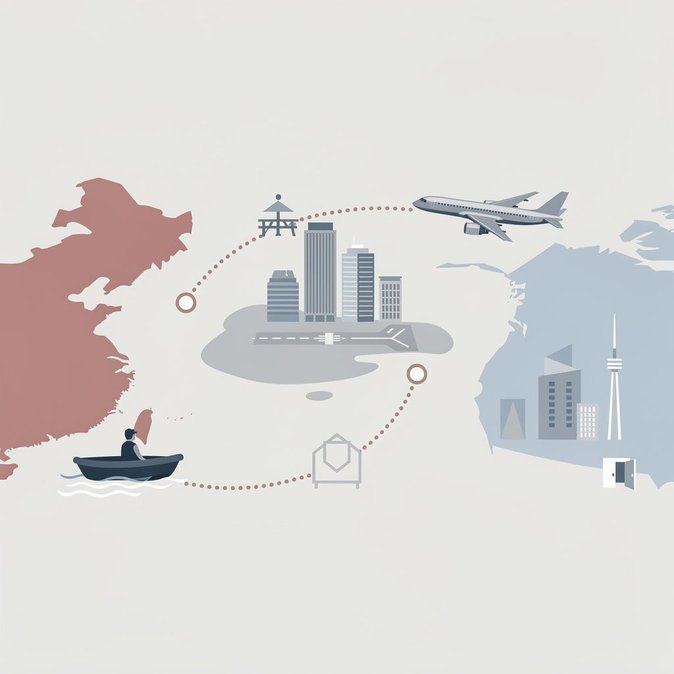
In a dramatic end to a month-long odyssey that began with a 500-kilometre dinghy voyage, Chinese activist Dong Guangping arrived safely in Toronto on 27 June 2026. The Associated Press reported from Hong Kong that Dong—detained by South Korean authorities in May for illegal entry—was allowed to board an Air Canada flight after Ottawa issued him a temporary resident permit on humanitarian grounds. Dong’s route highlights the complex web of immigration, asylum and airline-security rules that dissidents must navigate.
For travelers and organisations facing similarly intricate border requirements, VisaHQ’s Hong Kong portal (https://www.visahq.com/hong-kong/) offers real-time visa information, document checklists and application assistance, streamlining everything from emergency transit visas to long-term work permits.
South Korea does not recognise asylum claims filed at sea, but activists leveraged Hong Kong’s role as a major transit hub to secure a commercial itinerary that minimised additional visa hurdles. Although Dong never passed through Hong Kong immigration, the flight’s Hong Kong dateline underscores the city’s continued importance as an aviation gateway linking North America and East Asia. For multinational employers, the case is a reminder that staff activism abroad can trigger cross-jurisdictional legal issues ranging from immigration detention to diplomatic intervention. Mobility teams should keep emergency travel plans and pro-bono legal contacts on file for employees working in sensitive regions. Canadian authorities have yet to comment on Dong’s long-term status, but immigration lawyers expect he will apply for permanent residence under Canada’s protected-persons legislation. The episode has already sparked debate in Seoul over whether South Korea should revise maritime-entry regulations to align with UN refugee conventions, while in Hong Kong human-rights groups are calling for clearer transit-visa safeguards.
For travelers and organisations facing similarly intricate border requirements, VisaHQ’s Hong Kong portal (https://www.visahq.com/hong-kong/) offers real-time visa information, document checklists and application assistance, streamlining everything from emergency transit visas to long-term work permits.
South Korea does not recognise asylum claims filed at sea, but activists leveraged Hong Kong’s role as a major transit hub to secure a commercial itinerary that minimised additional visa hurdles. Although Dong never passed through Hong Kong immigration, the flight’s Hong Kong dateline underscores the city’s continued importance as an aviation gateway linking North America and East Asia. For multinational employers, the case is a reminder that staff activism abroad can trigger cross-jurisdictional legal issues ranging from immigration detention to diplomatic intervention. Mobility teams should keep emergency travel plans and pro-bono legal contacts on file for employees working in sensitive regions. Canadian authorities have yet to comment on Dong’s long-term status, but immigration lawyers expect he will apply for permanent residence under Canada’s protected-persons legislation. The episode has already sparked debate in Seoul over whether South Korea should revise maritime-entry regulations to align with UN refugee conventions, while in Hong Kong human-rights groups are calling for clearer transit-visa safeguards.