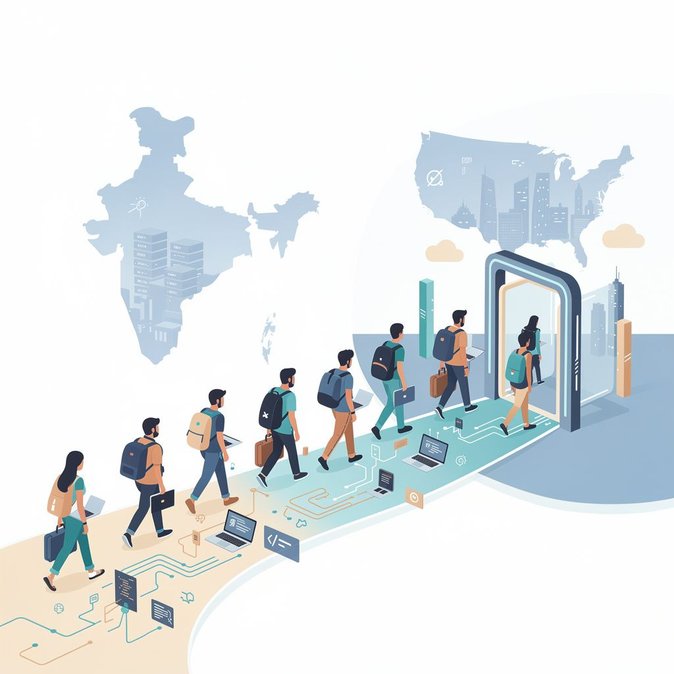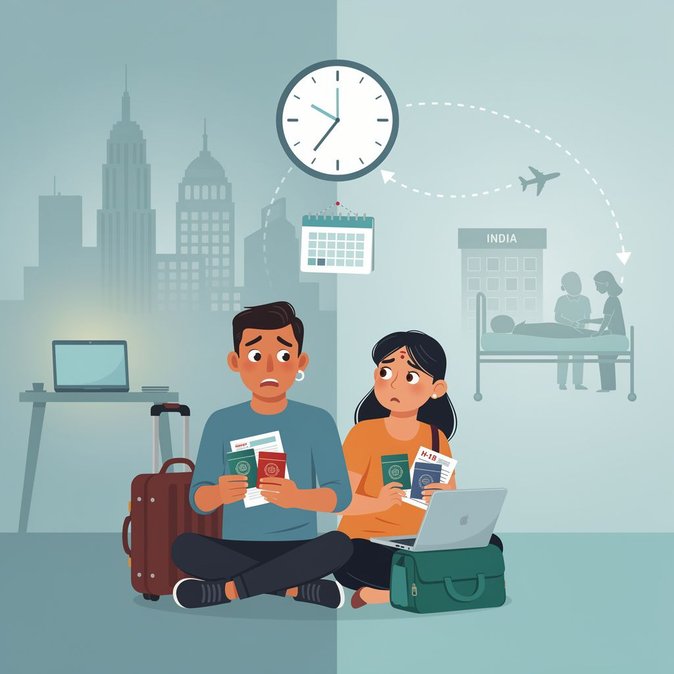
A human-interest report in Hindustan Times captures the precarious reality many H-1B holders face as US immigration rules tighten. The 27 June story recounts the dilemma of an Indian software-engineer couple in Texas whose mother-in-law in Delhi has been diagnosed with late-stage cancer. With Donald Trump’s administration having reinstated in-person interview requirements for most visa renewals, the couple worry that if they leave the US they may be unable to secure a timely stamping slot at an Indian consulate, jeopardising both their jobs and employer-sponsored green-card applications. Immigration lawyers quoted in the piece note that while drop-box renewals have been curtailed, applicants with less than 12 months of visa validity must now book interviews—slots that, as Business Standard’s data show, can take up to nine months. The article advises travellers to request an emergency appointment under the ‘life-or-death’ exemption, but warns approval is discretionary and requires extensive documentation. The story has quickly gained traction on Indian social media, with tech-worker forums sharing check-lists on preserving US employment status during urgent travel. Corporate mobility teams are updating policies to include medical-emergency travel insurance, contingency remote-work arrangements and, where feasible, on-shore visa revalidation via the planned Stateside Visa Renewal pilot. For Indian employers that routinely rotate staff on long-term US assignments, the episode underscores the importance of maintaining excess visa validity, exploring Canada or Mexico third-country stamping options, and building redundancy into project staffing to absorb unexpected travel disruptions.
Source: Hindustan Times