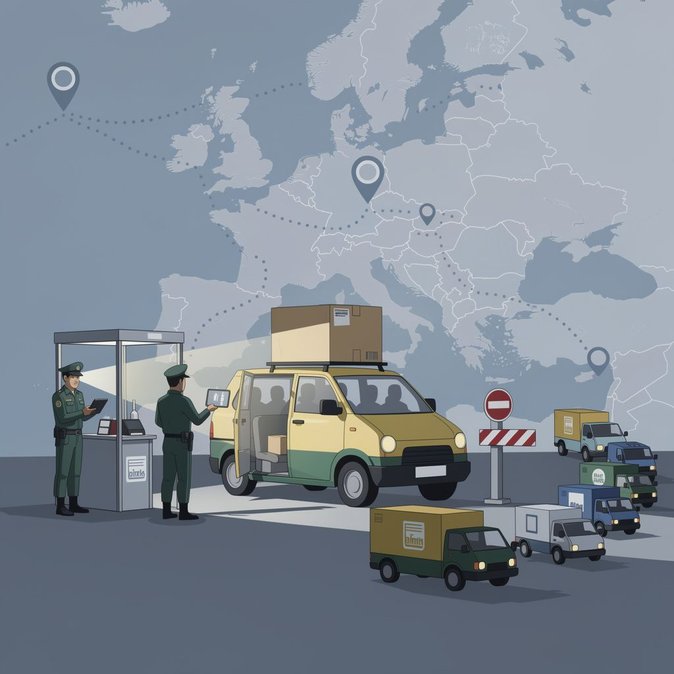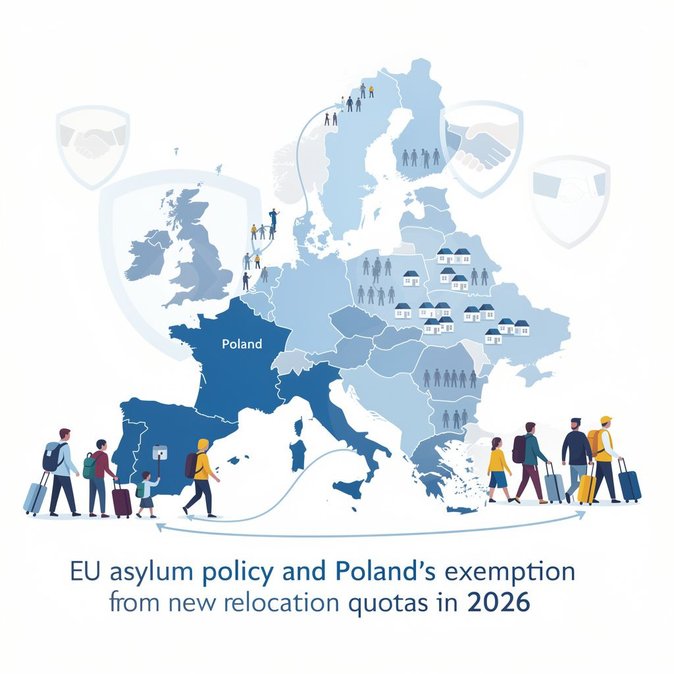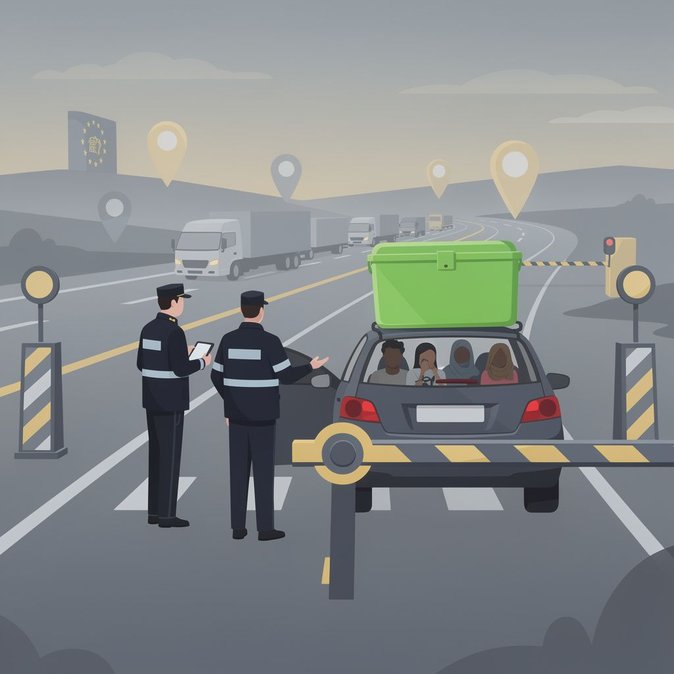
Border Guard officers from Gołdap stopped an Opel with fake delivery branding on 28 June after intelligence from colleagues in Sejny suggested it was being used to move irregular migrants. Inside they found three Afghan men on the back seat and a fourth hiding in the boot; all lacked travel documents and admitted crossing from Lithuania through the forest. The 29-year-old Ukrainian driver initially claimed he was on a grocery run, but the presence of concealed cash and multiple Lithuanian SIM cards raised suspicion. The migrants were returned to Lithuania on 29 June under the simplified readmission protocol, while a district court ordered the driver into three-month pre-trial detention.
To avoid such legal pitfalls, legitimate travelers and companies can turn to VisaHQ, which offers comprehensive visa and passport services for Poland and more than 200 other destinations. Their platform (https://www.visahq.com/poland/) simplifies application steps, flags documentation gaps and provides real-time status updates—helping employees, couriers and cross-border contractors stay within the rules rather than resorting to risky smuggling routes.
For mobility professionals the incident underscores the creativity of smuggling networks, which now disguise vehicles as parcel or food-delivery services to evade pandemic-era spot checks that have remained in place. Companies using gig-economy couriers for last-mile deliveries near the northeastern border should vet subcontractors and require real-time vehicle tracking. It also highlights the operational impact of Poland’s ‘rapid readmission’ arrangement with Vilnius: migrants intercepted within 48 hours are swiftly transferred back, reducing detention numbers but increasing pressure on Lithuanian facilities. Cross-border commuters working for Polish employers in the Suwałki corridor may face more roadside inspections as a result. Finally, the case may influence insurance rates for fleet operators; insurers often raise premiums after smuggling incidents because vehicles are impounded as evidence for months, disrupting logistics chains.
To avoid such legal pitfalls, legitimate travelers and companies can turn to VisaHQ, which offers comprehensive visa and passport services for Poland and more than 200 other destinations. Their platform (https://www.visahq.com/poland/) simplifies application steps, flags documentation gaps and provides real-time status updates—helping employees, couriers and cross-border contractors stay within the rules rather than resorting to risky smuggling routes.
For mobility professionals the incident underscores the creativity of smuggling networks, which now disguise vehicles as parcel or food-delivery services to evade pandemic-era spot checks that have remained in place. Companies using gig-economy couriers for last-mile deliveries near the northeastern border should vet subcontractors and require real-time vehicle tracking. It also highlights the operational impact of Poland’s ‘rapid readmission’ arrangement with Vilnius: migrants intercepted within 48 hours are swiftly transferred back, reducing detention numbers but increasing pressure on Lithuanian facilities. Cross-border commuters working for Polish employers in the Suwałki corridor may face more roadside inspections as a result. Finally, the case may influence insurance rates for fleet operators; insurers often raise premiums after smuggling incidents because vehicles are impounded as evidence for months, disrupting logistics chains.