Aviation bodies urge EU to allow emergency suspension of EES amid five-hour border queues
Flemish Government adds €180 charge to each Single-Permit application for non-EU workers
Handling fee for Belgian long-stay (D) visas rises to €250 worldwide
Latest News

Flanders imposes €180 fee per application for hiring non-EU workers
From 1 January 2027 employers in Flanders will pay an extra €180 for every Single-Permit application for a non-EU national. The regional move, announced on 30 June 2026, comes on top of the existing federal €152 fee and is intended to discourage routine recruitment abroad. Business groups warn the surcharge will raise mobility costs and lengthen processing times, while global employers must adjust budgets and assignment planning.

Flanders to Charge €180 Per Application for Hiring Non-EU Talent
Starting 1 January 2027, Flanders will introduce a €180 regional handling fee on every Single Permit application for non-EU workers, on top of the existing €152 federal charge. The move aims to shift administrative costs to employers and curb over-reliance on foreign labour, but business groups warn it could lengthen processing times and increase assignment costs for companies operating in Belgium.

Flanders to levy €180 application charge on employers hiring non-EU workers
From 1 January 2027, Flemish employers must pay an extra €180 per Single-Permit application for non-EU hires. The regional surcharge – unveiled on 30 June – adds to the existing €152 federal fee, raising total upfront costs to €332. Authorities say the measure will fund stricter controls and favour local recruitment, but business groups warn it risks longer lead times and talent shortages.
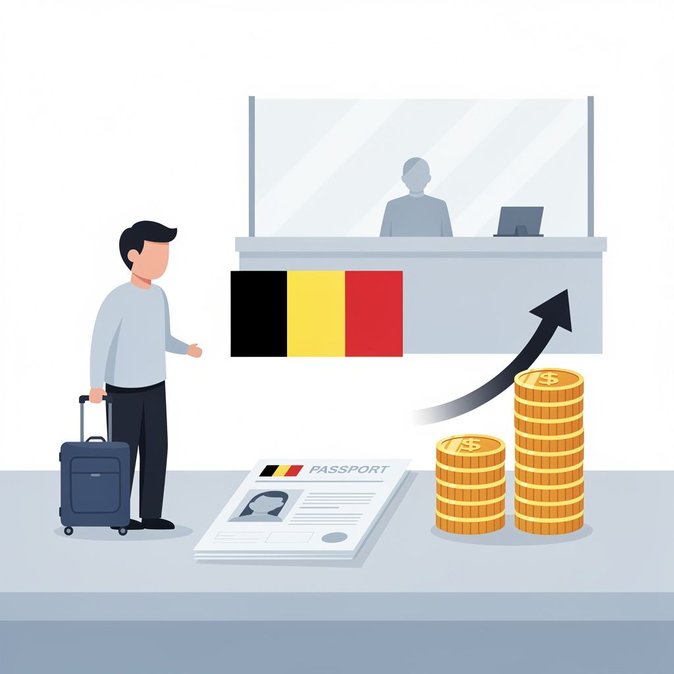
Belgium raises D-visa handling fee to €250/£225 from 1 July 2026
The FPS Foreign Affairs has confirmed that all long-stay (D) visa applications submitted from 1 July 2026 will cost €250/£225, up from €210. The higher fee affects work-permit holders, family members and students and will apply even to applicants who booked earlier appointments. Companies must update budgets immediately and warn travellers to bring the extra funds to their visa-centre appointments.

Nation-wide strike disrupts Belgian air, rail and bus services
A 24-hour general strike on 30 June paralysed large parts of Belgium’s transport network, with flight cancellations at Brussels Airport, reduced Eurostar and Thalys trains, and widespread bus and metro disruption. Unions are protesting pension and welfare reforms; further industrial action is possible. Companies should review contingency travel and remote-work arrangements for staff in Belgium.

EU Ministers Agree to Tougher Controls on Cross-Border Unemployment Benefits
EU employment ministers meeting in Brussels backed draft rules that will let national agencies monitor cross-border job-seekers more closely and clamp down on fraudulent benefit claims. Belgium supports the initiative, which could cut welfare costs but will add compliance chores for companies that post or relocate staff within the EU.

EU asylum agency updates Afghanistan guidance, impacting Belgian protection decisions
The EUAA published updated Afghanistan country guidance on 30 June, reaffirming that women, journalists and other groups face persecution and that relocation within Afghanistan is generally not viable. Belgian asylum officers routinely follow EUAA analysis, so recognition rates for Afghan applicants – the country’s second-largest caseload – are expected to rise, affecting family-reunification and corporate sponsorship timelines.
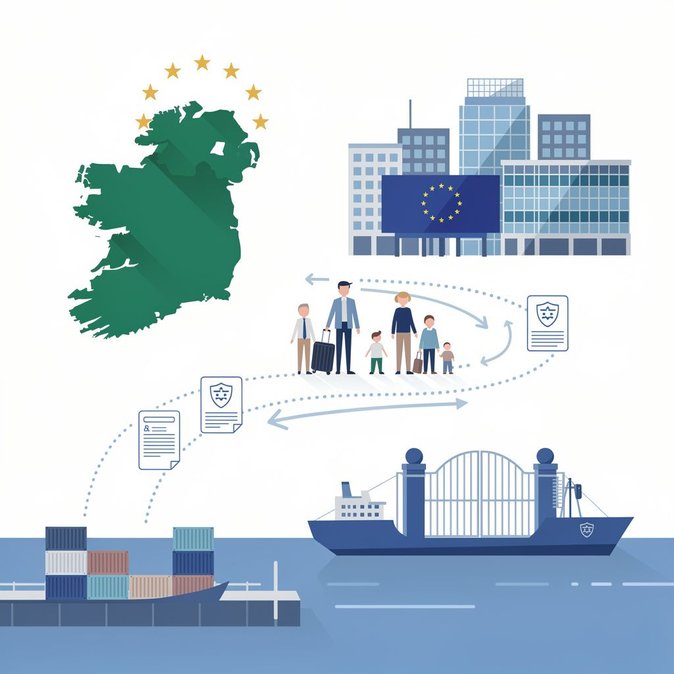
Ireland Reveals 2026 EU Presidency Priorities: Migration Pact Implementation High on Agenda
Ireland, which takes over the rotating EU Council Presidency on 1 July 2026, has listed implementation of the new Migration and Asylum Pact, tougher action against migrant smuggling and enhanced port security as headline goals. Belgium will have to adapt quickly, as many of the operational measures will be coordinated from Brussels and could affect visa, reception and return processes for mobile staff and their families.