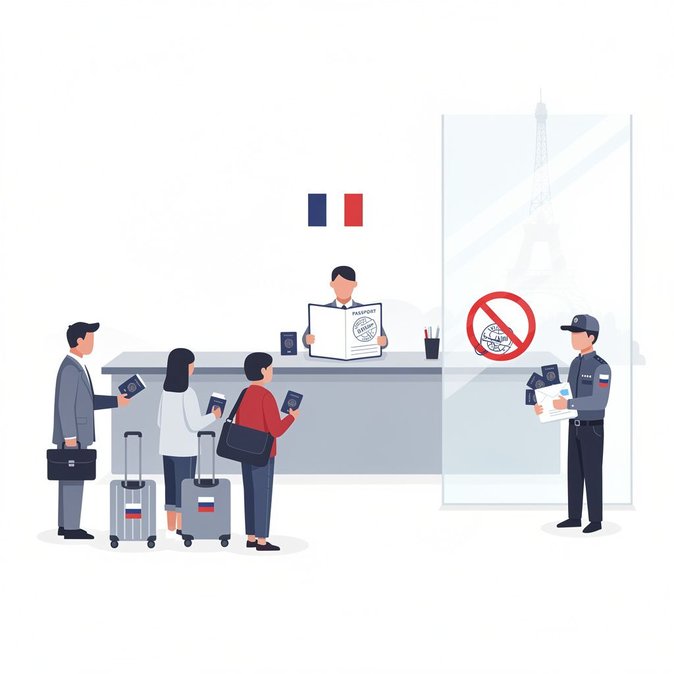
Late on 30 June, Russia’s state daily Rossiyskaya Gazeta reported that France will require most applicants at its visa centres in Russia to appear in person when submitting Schengen short-stay applications as of 15 July. Travel agents and couriers will no longer be able to lodge multiple passports on behalf of clients, although they may still assist with form filling and appointment booking.
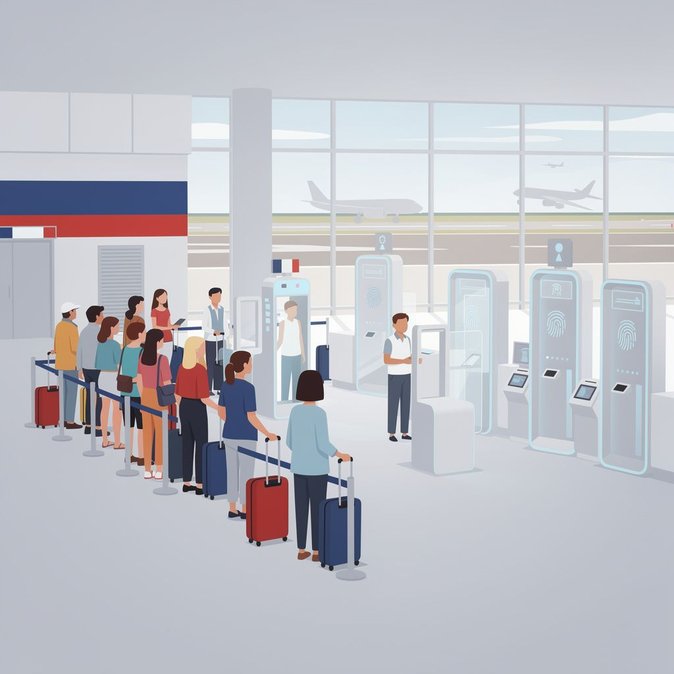
The French Consulate in Moscow has not yet issued an English-language statement, but tour operators confirm they have received the same directive via TLScontact. Only parents applying for minors and holders of diplomatic- or service-category passports will retain third-party filing rights. All applicants aged 12 and above must give fingerprints and a facial photograph at each submission unless they were biometrically enrolled in the past 59 months.
For applicants and HR coordinators looking for support under the new rules, VisaHQ can simplify everything except the mandatory personal appearance. Through its France portal (https://www.visahq.com/france/), the service provides real-time requirement updates, document review, and appointment-booking assistance, helping travellers arrive at the visa centre fully prepared and on schedule.
The move aims to curb fraud and ease pressure on visa staff during the peak travel season; France issued 156,500 visas to Russian nationals in 2025 with a refusal rate of just 3.5 %, but anecdotal evidence suggests a spike in forged invitation letters and mis-used authorisations. By insisting on personal lodgement, consular officials expect to identify inconsistencies earlier and to deter “visa-shopping” rings that sell appointments at inflated prices. For global mobility teams moving Russian nationals to French headquarters or projects, the change carries practical implications. Individuals will need to travel—often considerable distances—to the nearest visa application centre, potentially adding hotel nights and per-diem costs. Employers should schedule start dates conservatively: processing times still average up to 30 days, and July appointment slots are almost fully booked. Digital nomads working remotely from France on a short-stay basis must likewise account for the tighter biometrics window.
The policy may foreshadow broader Schengen-wide harmonisation. Germany and Italy introduced similar “personal submission only” rules in 2024 for certain nationalities, and EU officials are studying whether the practice should become the default once EES and ETIAS are fully integrated. For now, HR professionals should update Russia-to-France mobility checklists, budget for added travel to visa centres and remind assignees that forged or altered supporting documents can trigger multi-year bans from the entire Schengen Area.
The French Consulate in Moscow has not yet issued an English-language statement, but tour operators confirm they have received the same directive via TLScontact. Only parents applying for minors and holders of diplomatic- or service-category passports will retain third-party filing rights. All applicants aged 12 and above must give fingerprints and a facial photograph at each submission unless they were biometrically enrolled in the past 59 months.
For applicants and HR coordinators looking for support under the new rules, VisaHQ can simplify everything except the mandatory personal appearance. Through its France portal (https://www.visahq.com/france/), the service provides real-time requirement updates, document review, and appointment-booking assistance, helping travellers arrive at the visa centre fully prepared and on schedule.
The move aims to curb fraud and ease pressure on visa staff during the peak travel season; France issued 156,500 visas to Russian nationals in 2025 with a refusal rate of just 3.5 %, but anecdotal evidence suggests a spike in forged invitation letters and mis-used authorisations. By insisting on personal lodgement, consular officials expect to identify inconsistencies earlier and to deter “visa-shopping” rings that sell appointments at inflated prices. For global mobility teams moving Russian nationals to French headquarters or projects, the change carries practical implications. Individuals will need to travel—often considerable distances—to the nearest visa application centre, potentially adding hotel nights and per-diem costs. Employers should schedule start dates conservatively: processing times still average up to 30 days, and July appointment slots are almost fully booked. Digital nomads working remotely from France on a short-stay basis must likewise account for the tighter biometrics window.
The policy may foreshadow broader Schengen-wide harmonisation. Germany and Italy introduced similar “personal submission only” rules in 2024 for certain nationalities, and EU officials are studying whether the practice should become the default once EES and ETIAS are fully integrated. For now, HR professionals should update Russia-to-France mobility checklists, budget for added travel to visa centres and remind assignees that forged or altered supporting documents can trigger multi-year bans from the entire Schengen Area.