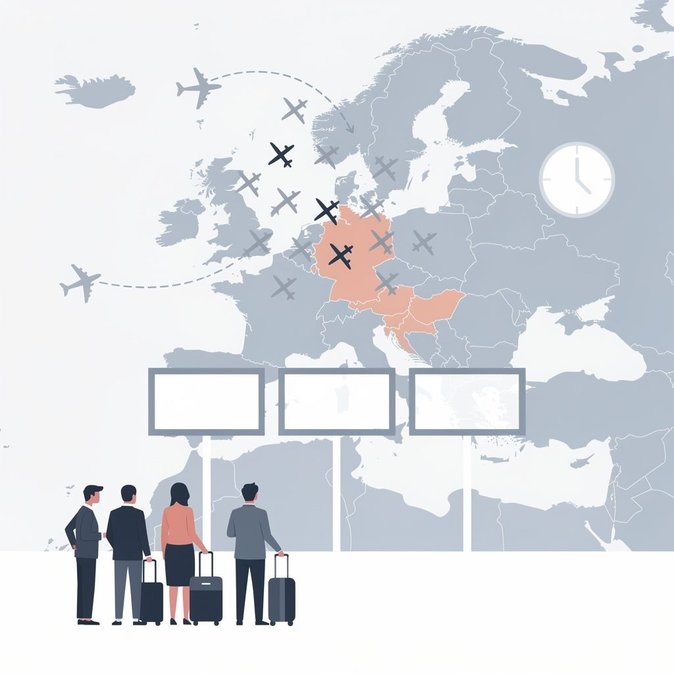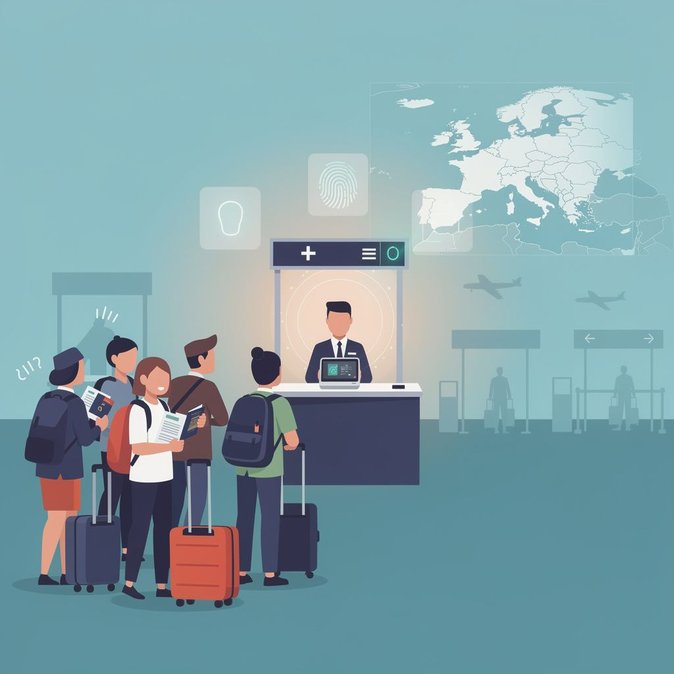
Moldova’s Foreign Affairs Ministry (MFA) issued a travel advisory on 27 June 2026 urging Moldovan passport-holders to familiarise themselves with the European Union’s new Entry/Exit System after a spike in refusal-of-entry cases at French and German airports. Although Moldovans enjoy visa-free short stays in the Schengen Area, border officers have turned back dozens of travellers who failed to provide evidence of onward travel, accommodation or sufficient funds now logged digitally by EES. The advisory states that since EES went live on 10 April, every third-country national is subject to biometric registration and automated verification of days-remaining in the 90/180 window. Travellers previously over-staying—even inadvertently—now trigger an alert that obliges border police to deny entry. French authorities at Paris-CDG and Nice reportedly account for more than half the recent rejections, reflecting their role as major gateways for the Moldovan diaspora working in the EU. Moldova’s MFA recommends that citizens print bank statements, return tickets and hotel confirmations, and, crucially, retain boarding passes from previous exits so that manual cross-checks are possible if the system mis-reads a passport chip. The ministry has asked France for consular access to EES data when contesting refusals but has yet to receive a response. For French employers who recruit seasonal Moldovan labour under the ‘travailleur temporaire’ scheme, the announcement means pre-departure briefings must be updated and contracts carried in hard copy. Corporate mobility teams should also audit stay-calculations; Moldovan staff rotating between France and non-Schengen Romania may inadvertently ‘mis-count’ days now that stamps are no longer issued. EU officials maintain that EES enhances security and transparency, yet the Moldovan case underscores teething problems that risk undermining labour mobility at the start of the harvest season. Until data-sharing protocols improve, companies may need to budget for last-minute re-bookings or factor in interviews at border booths that can add an hour to arrival formalities.
Source: Moldpres News Agency
How VisaHQ can help
VisaHQ simplifies the visa application process for individuals and businesses. Check current travel requirements, prepare the required documents and manage your application online through the VisaHQ France portal.More From France
View all
French consulates slash multi-entry Schengen visas for Russians by 90 %, issuing mostly single-entry permits
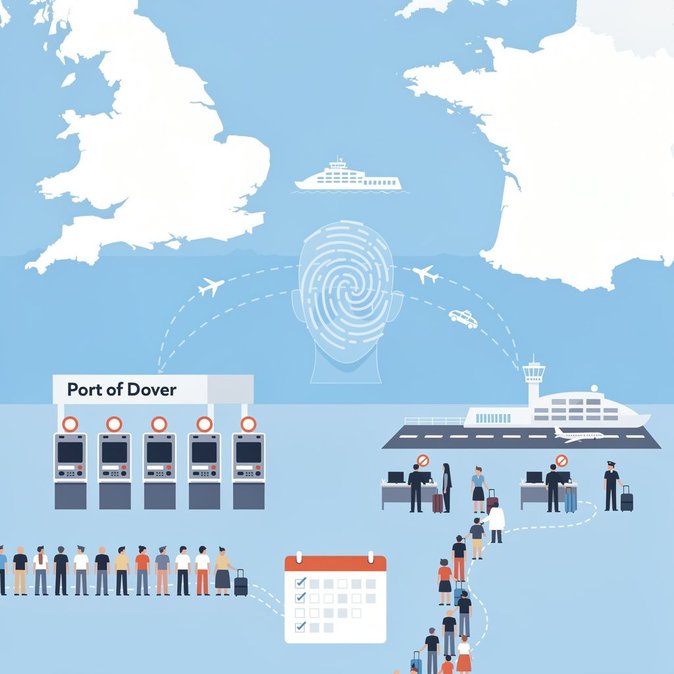
Biometric Entry/Exit kiosks at Dover and French airports will stay offline all summer, raising fears of September cliff-edge