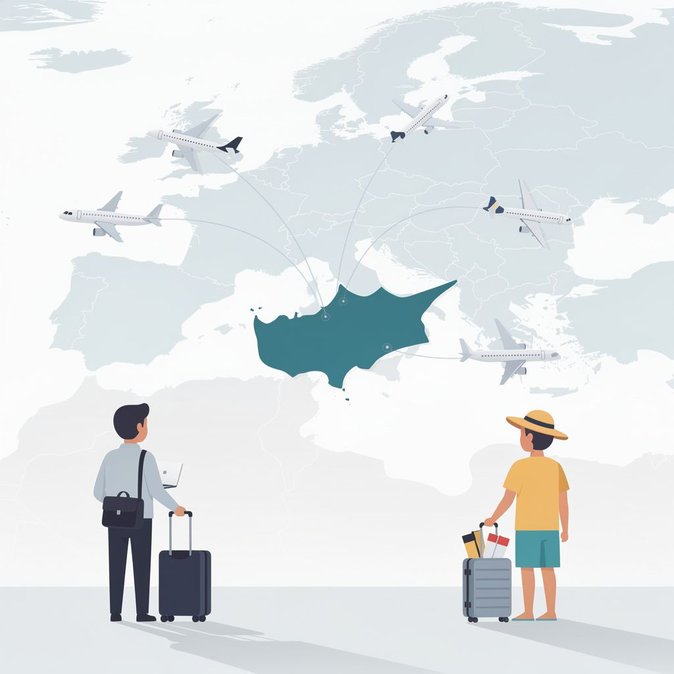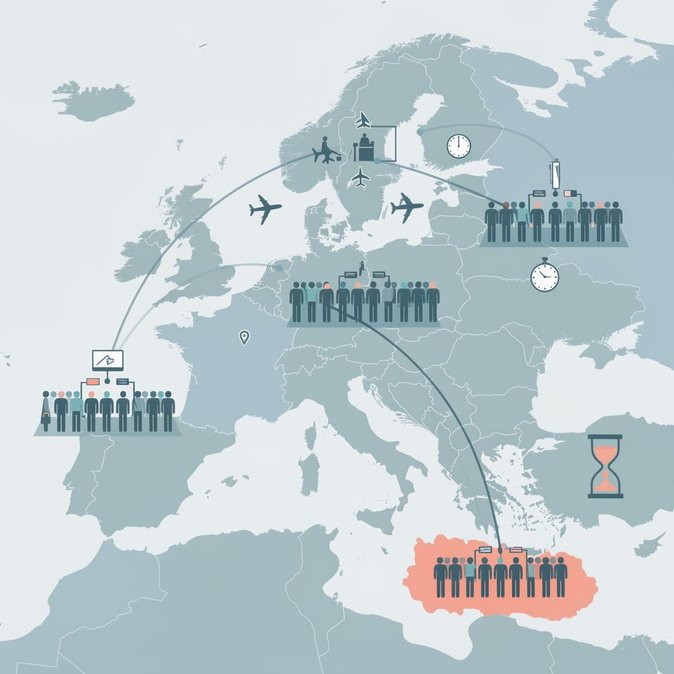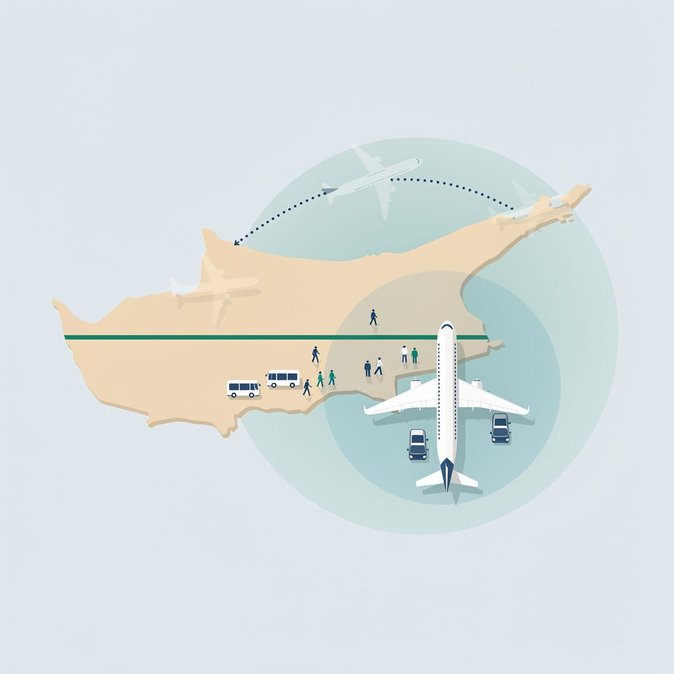
Thirty-seven Turkish Cypriots who had been stranded in Dubai because of conflict-related air-route closures finally made it back to the island late Wednesday night—thanks to an emergency charter that landed in the Republic-controlled Larnaca airport. Direct flights to the northern part of Cyprus remain suspended on several Gulf carriers, forcing authorities in the north to negotiate alternative corridors. Under-secretary for “foreign affairs” Mustafa Lakadamyali confirmed that the administration will subsidise accommodation and onward transport costs for citizens still caught in the United Arab Emirates, Qatar and Lebanon. The episode illustrates the Green-Line reality of Cyprus travel logistics: while Larnaca and Paphos operate under EU aviation rules, Ercan airport in the north is recognised only by Turkey, leaving Turkish-Cypriot travellers dependent on third-country routings when airlines alter schedules. During the current Middle-East instability, commercial frequencies to Ercan via Turkey have been slashed, making the internationally recognised airports in the south a lifeline.
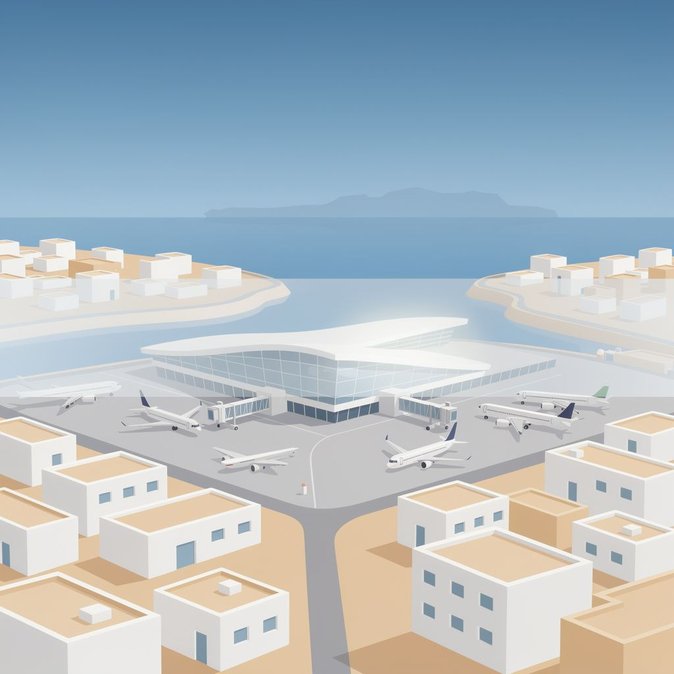
![Charter Flight Through Larnaca Helps Stranded Turkish-Cypriot Tourists Return Home]()
For travellers suddenly facing visa or transit complications because of these altered routes, VisaHQ offers a convenient one-stop resource: its Cyprus page (https://www.visahq.com/cyprus/) details entry requirements, provides real-time updates on Green-Line crossing rules, and can expedite visas for onward journeys, ensuring that unexpected detours don’t turn into bureaucratic headaches.
Cross-community NGOs praised the Republic’s immigration police for facilitating swift passage through the buffer zone, noting that ad-hoc humanitarian cooperation can ease tensions even when political talks are stalled. For employers with staff located in northern Cyprus or operating across both administrations, the practical takeaway is clear: build contingency plans that use Larnaca as the primary evacuation and repatriation hub, and brief travellers on Green-Line crossing formalities, insurance requirements and transport links.
For travellers suddenly facing visa or transit complications because of these altered routes, VisaHQ offers a convenient one-stop resource: its Cyprus page (https://www.visahq.com/cyprus/) details entry requirements, provides real-time updates on Green-Line crossing rules, and can expedite visas for onward journeys, ensuring that unexpected detours don’t turn into bureaucratic headaches.
Cross-community NGOs praised the Republic’s immigration police for facilitating swift passage through the buffer zone, noting that ad-hoc humanitarian cooperation can ease tensions even when political talks are stalled. For employers with staff located in northern Cyprus or operating across both administrations, the practical takeaway is clear: build contingency plans that use Larnaca as the primary evacuation and repatriation hub, and brief travellers on Green-Line crossing formalities, insurance requirements and transport links.