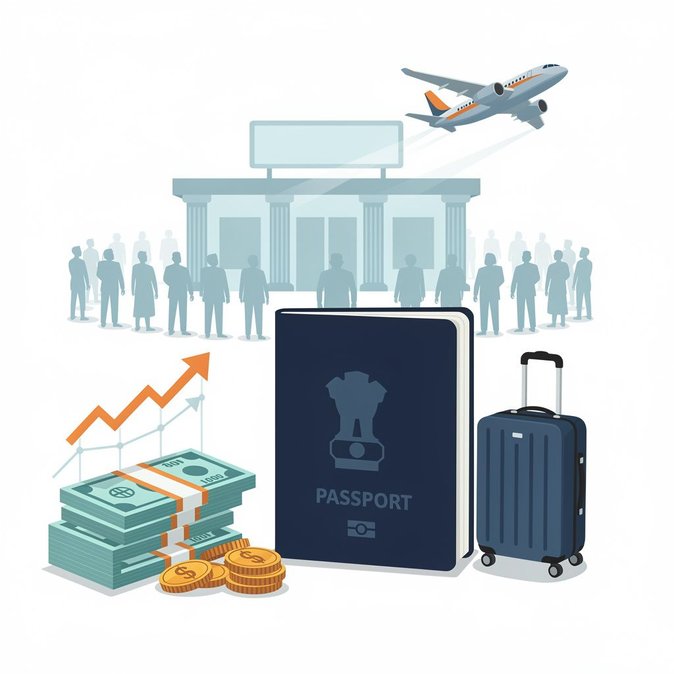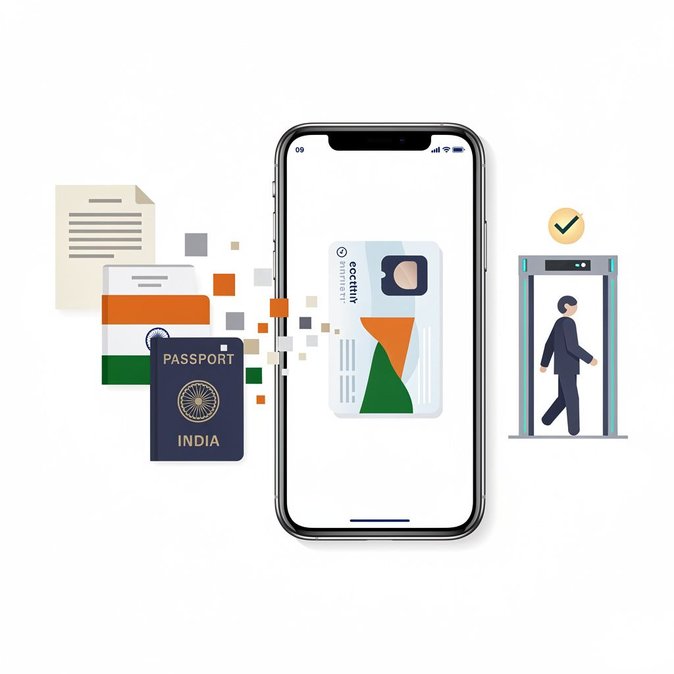
India has flipped the switch on the long-awaited electronic Overseas Citizen of India (e-OCI) Card, replacing the traditional booklet with a QR-coded digital credential that can be downloaded to a smartphone wallet. Union Home Minister Amit Shah unveiled the initiative in New Delhi on 1 July alongside the new FCRA 2.0 compliance portal for NGOs. More than five million diaspora members currently hold OCI status, which grants lifelong visa-free travel to India and near-parity economic rights. Until now, every passport renewal after age 20 required the re-issuance of a physical OCI booklet—an expensive, paper-heavy process managed by Indian missions worldwide.
![e-OCI Card goes live as India launches fully digital Overseas Citizen credential]()
In that context, VisaHQ can streamline the switch for both individuals and corporate mobility teams. Its India-focused experts guide users through the new e-OCI application and passport-update workflow, handle document verification, and provide real-time status alerts through a single online dashboard. Those looking for support can start here: https://www.visahq.com/india/
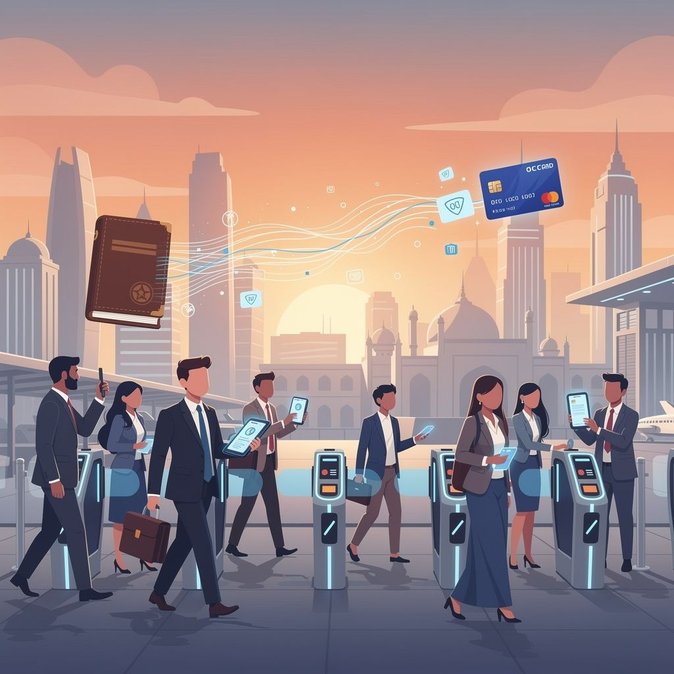
Under the new system, card-holders simply update passport details online and receive an updated digital credential within 48 hours, complete with tamper-proof QR verification that is already integrated with the Bureau of Immigration’s eGates at major Indian airports. The project sits squarely within New Delhi’s wider Digital Public Infrastructure strategy. The e-OCI platform uses Aadhaar e-KYC, e-Sign, and API hooks into FRRO, PAN and DigiLocker, eliminating duplicate document uploads and enabling real-time watch-list checks. Indian missions abroad are being issued secure tablets so that walk-in applicants can scan documents and pay fees instantly, shrinking average processing times from eight weeks to under ten days. For multinational HR teams, the change removes a persistent pain-point. Employees of Indian origin no longer need to ship passports back and forth for OCI re-issuance, reducing compliance risk and travel downtime. Travel managers should, however, update internal mobility policies to reflect the shift away from a physical booklet; airline check-in systems are being patched but will accept printed QR extracts during a three-month transition. The Home Ministry will roll out a companion mobile app in August that allows push-notifications on passport-update deadlines and an emergency “digital SOS” feature that shares real-time location with Indian consulates—underscoring how immigration documents are rapidly converging with digital identity services.
In that context, VisaHQ can streamline the switch for both individuals and corporate mobility teams. Its India-focused experts guide users through the new e-OCI application and passport-update workflow, handle document verification, and provide real-time status alerts through a single online dashboard. Those looking for support can start here: https://www.visahq.com/india/
Under the new system, card-holders simply update passport details online and receive an updated digital credential within 48 hours, complete with tamper-proof QR verification that is already integrated with the Bureau of Immigration’s eGates at major Indian airports. The project sits squarely within New Delhi’s wider Digital Public Infrastructure strategy. The e-OCI platform uses Aadhaar e-KYC, e-Sign, and API hooks into FRRO, PAN and DigiLocker, eliminating duplicate document uploads and enabling real-time watch-list checks. Indian missions abroad are being issued secure tablets so that walk-in applicants can scan documents and pay fees instantly, shrinking average processing times from eight weeks to under ten days. For multinational HR teams, the change removes a persistent pain-point. Employees of Indian origin no longer need to ship passports back and forth for OCI re-issuance, reducing compliance risk and travel downtime. Travel managers should, however, update internal mobility policies to reflect the shift away from a physical booklet; airline check-in systems are being patched but will accept printed QR extracts during a three-month transition. The Home Ministry will roll out a companion mobile app in August that allows push-notifications on passport-update deadlines and an emergency “digital SOS” feature that shares real-time location with Indian consulates—underscoring how immigration documents are rapidly converging with digital identity services.