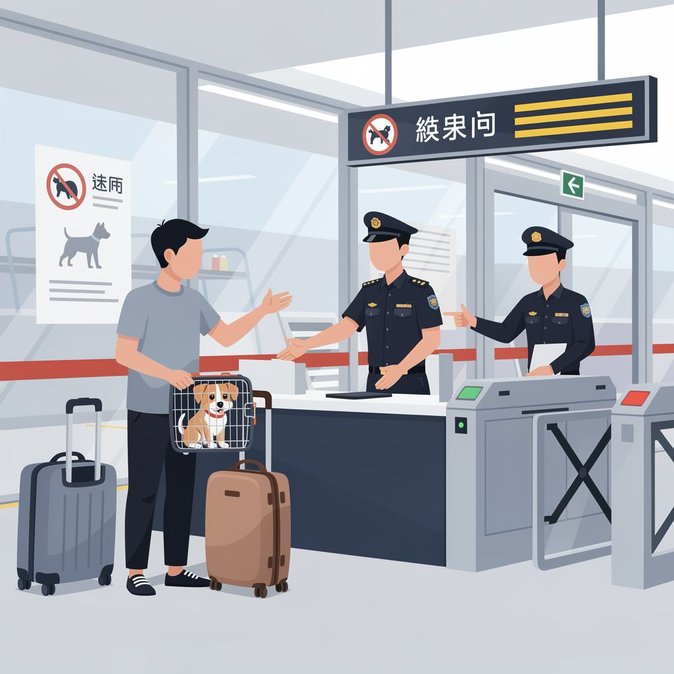
Hong Kong Customs officers at the Lok Ma Chau Spur Line control point intercepted a 59-year-old mainland traveller on 3 July after X-ray images raised suspicions about the contents of his shoulder bag. Inside was a live toy poodle valued at roughly HK$19,000. The passenger was arrested for suspected illegal importation of an animal and the case transferred to the Agriculture, Fisheries and Conservation Department for quarantine assessment. Under the Rabies Regulation, importing any animal without a pre-approved permit can attract fines of up to HK$50,000 and one year in prison. The incident is the second dog-smuggling case detected this summer, coinciding with a post-pandemic uptick in cross-boundary pet travel as Hong Kong residents resume weekend visits to Shenzhen. Pet-relocation specialists say confusion often arises because mainland cities such as Shenzhen allow simplified vaccination checks, whereas Hong Kong maintains a World Organisation for Animal Health (WOAH) ‘Category I’ rabies status that demands advance licensing, micro-chipping, and a 30-day pre-arrival quarantine in the exporting jurisdiction. “Owners assume a small lap dog can be declared on arrival, but Hong Kong’s rules are unforgiving,” noted Billy Ng, director of Wag-On Relocations. Corporate relocation programmes are also affected. Executives bringing family pets under long-term assignments typically plan six months ahead, but short-term secondees may overlook pet permit lead times when last-minute travel is arranged. Mobility vendors recommend adding a ‘pet-move checklist’ to onboarding packs, specifying vaccine certificates, serology timelines and door-to-door logistics. Customs said it would continue random inspections at all control points and encouraged the public to report suspected animal smuggling via the 24-hour hotline. Travellers should apply online for an ‘Special Permit to Import Animals and Birds’ at least 30 days before arrival and book government-approved quarantine slots where required.
How VisaHQ can help
VisaHQ simplifies the visa application process for individuals and businesses. Check current travel requirements, prepare the required documents and manage your application online through the VisaHQ Hong Kong portal.More From Hong Kong
View all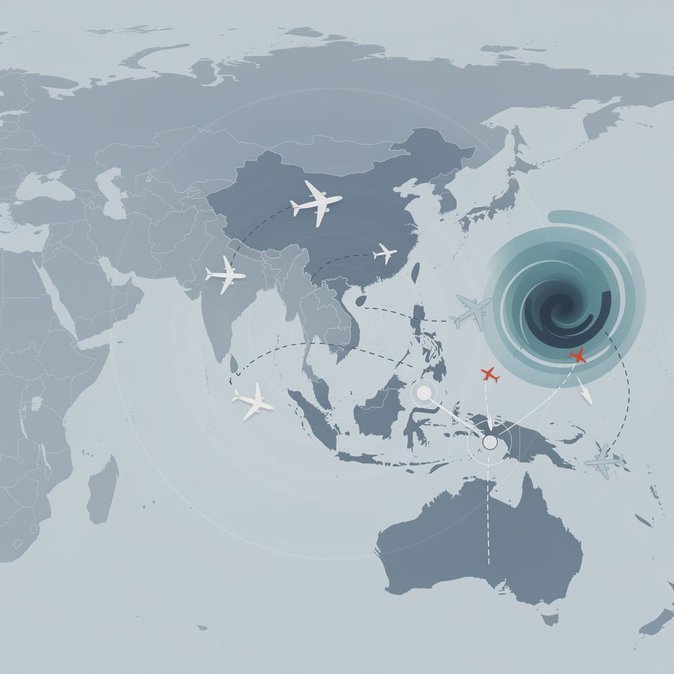
Regional Storms and Airspace Detours Trigger 6,600 Flight Disruptions—Hong Kong Travellers Advised to Brace for Knock-On Delays

Northern Metropolis Bill gazetted – legal blueprint promises smoother cross-border talent and goods flows