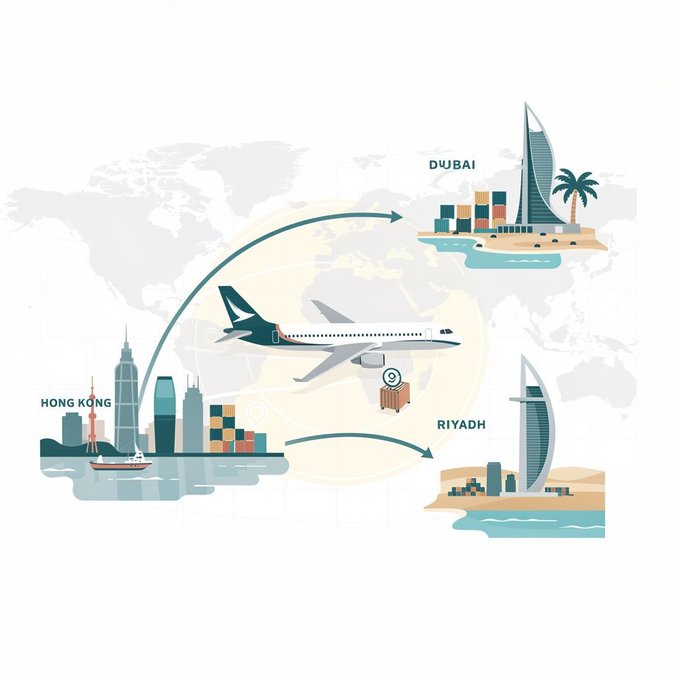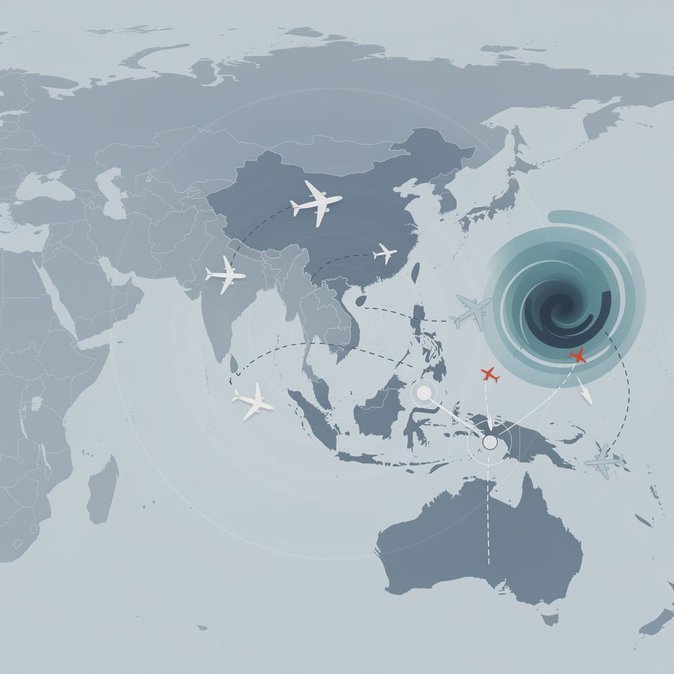
A pan-Asian operational meltdown unfolded on 3 July, with aviation data compiled by travel portal Nomad Lawyer showing 363 cancellations and more than 6,200 delays across major hubs from Beijing to Dubai. The twin drivers were severe monsoon cells over the Indian sub-continent and Tropical Storm Maysak’s sweep through the South China Sea, compounded by Middle East airspace closures that forced long-haul routings onto already congested corridors. While Hong Kong International Airport recorded only minor schedule adjustments, experts warn that the SAR’s hub-and-spoke model makes it highly susceptible to upstream gridlock. “A delayed inbound aircraft from Delhi can wipe out the tight 50-minute turnaround needed for its onward sector to San Francisco,” explained Dr James Lau, adjunct lecturer in aviation management at PolyU. Corporate travel desks reported that Cathay Pacific re-timed at least four South-Asia departures to avoid crew duty-time infringements, while HK Express offered fee-waiver rebooking for Okinawa and Seoul flights likely to mis-connect with Europe-bound codeshares. Forwarders said high-value perishables bound for the EU via Hong Kong faced transit-time risks and advised shippers to activate ‘cool-room hold’ options. Mobility teams are urged to monitor emerging detour advisories—particularly across Middle East conflict zones—because carriers increasingly publish last-minute flight-path changes that extend duty times and may invalidate itineraries locked into closed booking classes. Analysts say the day’s chaos is a reminder that regional weather and geopolitics remain the biggest threats to Hong Kong’s quest to reach the 70 million-passenger mark this year. Robust travel-risk management protocols—real-time tracking apps, flexible tickets and insurer assistance lines—are now core components of any global-mobility policy.
Source: Nomad Lawyer