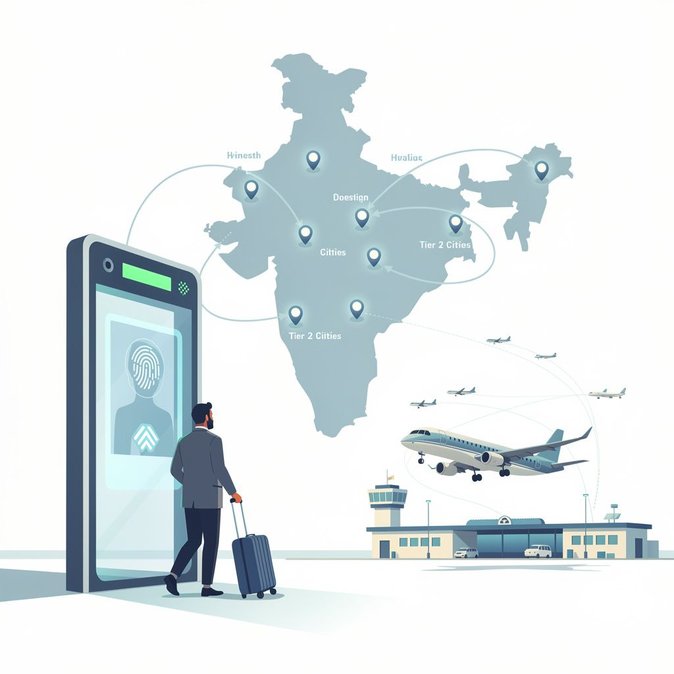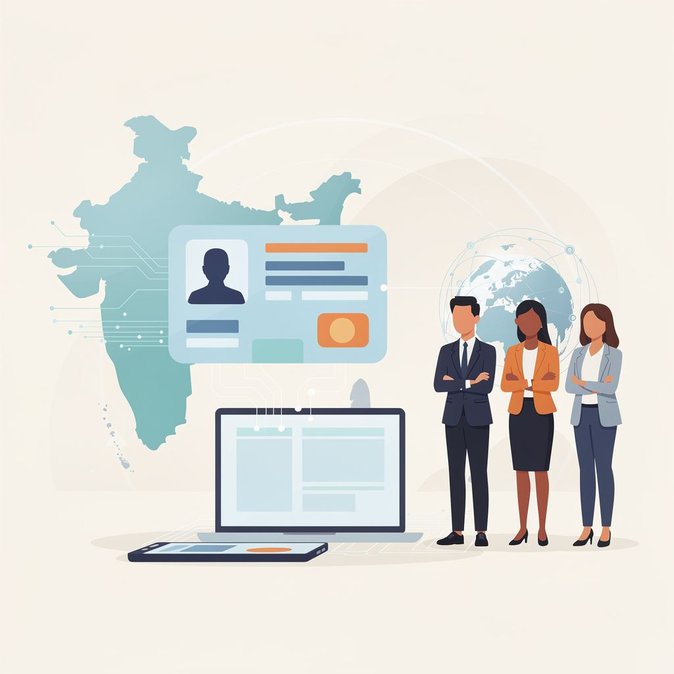
Launching what he called “the next chapter of tech-driven governance”, Home Minister Amit Shah on Friday 3 July 2026 introduced two new platforms: an electronic Overseas Citizen of India card (e-OCI) and a fully overhauled Foreign Contribution Regulation Act portal dubbed “FCRA 2.0”. The e-OCI system replaces the physical booklet with a secure digital credential linked to the holder’s passport chip and the Bureau of Immigration’s arrival database. Officials said border officers will be able to verify status in real time, reducing manual stamping and helping airlines pre-screen passengers.
Travel and immigration experts at VisaHQ can streamline this transition for both individual applicants and corporate mobility teams. Through its India portal, VisaHQ offers end-to-end assistance with e-OCI filings, biometric-appointment scheduling, document checks and live status tracking—giving HR managers a single dashboard to oversee renewals and new enrollments alike.
Current booklet holders will migrate gradually during passport-renewal cycles; new applicants will file completely online and upload biometrics at select enrolment centres. The revamped FCRA portal, meanwhile, digitises every step of compliance for NGOs receiving overseas funding. While not directly a mobility measure, the platform feeds into the same national-security data lake that underpins the immigration system, giving authorities near-instant visibility into foreign entities and individuals active in India. Shah argued that the twin launches will “improve transparency, reduce paperwork and close loopholes exploited by illicit networks”. For global-mobility practitioners the headline change is the e-OCI. Roughly 4.2 million expatriates of Indian origin rely on OCI status for long-term work and residence, and many corporates use the category to localise senior leadership. Eliminating physical documents will simplify onboarding and re-entry after overseas assignments, but HR teams must update SOPs: employees will need the digital card PDF and QR code on their phone or printed copy until airlines fully integrate the API. Immigration advisers also note that e-OCI opens the door to automated enrolment in programmes such as Fast-Track Immigration and possible future trusted-traveller lanes. Companies may wish to budget for group-enrolment drives or employee briefings as the portal goes live.
Travel and immigration experts at VisaHQ can streamline this transition for both individual applicants and corporate mobility teams. Through its India portal, VisaHQ offers end-to-end assistance with e-OCI filings, biometric-appointment scheduling, document checks and live status tracking—giving HR managers a single dashboard to oversee renewals and new enrollments alike.
Current booklet holders will migrate gradually during passport-renewal cycles; new applicants will file completely online and upload biometrics at select enrolment centres. The revamped FCRA portal, meanwhile, digitises every step of compliance for NGOs receiving overseas funding. While not directly a mobility measure, the platform feeds into the same national-security data lake that underpins the immigration system, giving authorities near-instant visibility into foreign entities and individuals active in India. Shah argued that the twin launches will “improve transparency, reduce paperwork and close loopholes exploited by illicit networks”. For global-mobility practitioners the headline change is the e-OCI. Roughly 4.2 million expatriates of Indian origin rely on OCI status for long-term work and residence, and many corporates use the category to localise senior leadership. Eliminating physical documents will simplify onboarding and re-entry after overseas assignments, but HR teams must update SOPs: employees will need the digital card PDF and QR code on their phone or printed copy until airlines fully integrate the API. Immigration advisers also note that e-OCI opens the door to automated enrolment in programmes such as Fast-Track Immigration and possible future trusted-traveller lanes. Companies may wish to budget for group-enrolment drives or employee briefings as the portal goes live.