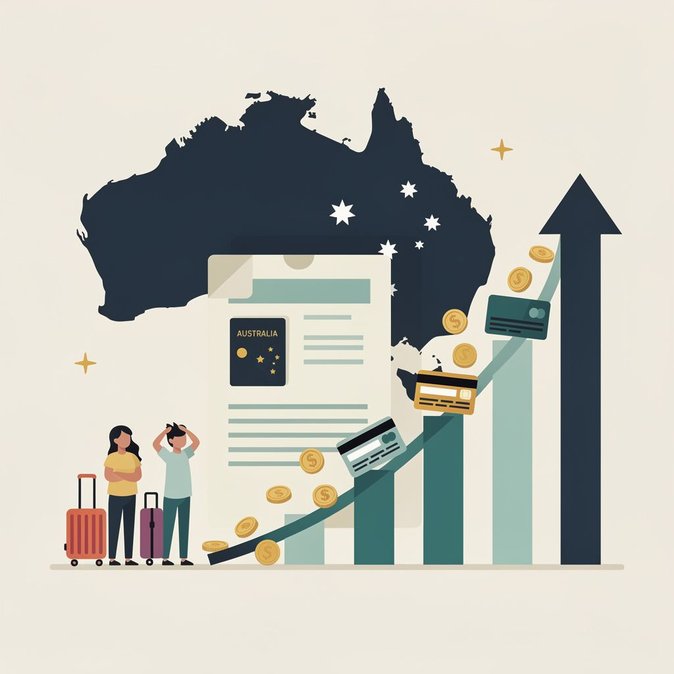
Anxious visa-holders are crunching the numbers after Australia’s Department of Home Affairs pushed through a sweeping 25 % indexation of government application charges on 1 July—plus targeted spikes for a handful of visa subclasses. SBS News reports that the cost of the Resident Return visa (subclass 155/157) has leapt from AUD 490 to AUD 1,475, a near-200 % jump that one long-term Chinese permanent resident called “absolutely ridiculous.” Student visas now cost AUD 2,500 and the Temporary Graduate visa rose to AUD 5,750 after two increases in four months. Bridging Visa B fees have tripled to AUD 575. While Home Affairs says higher charges fund faster processing and digital upgrades, migration agents interviewed by SBS argue that the hikes landed "without notice" and risk deterring badly-needed graduates and skilled workers. Critics note that many of the biggest increases hit visas that require little manual assessment, fuelling perceptions that Canberra is using price as a demand-management lever rather than resourcing its back-office. International education bodies warn that fee shock comes on top of stricter Genuine Student rules and higher financial evidence, undermining Australia’s competitiveness as a study destination. For employers, the higher sticker price compounds July’s salary-threshold rise. A family of three lodging a Skilled Independent (subclass 189) application now faces more than AUD 10,700 in government fees alone. Businesses with rotation-heavy staff, such as mining and offshore energy, must also budget for repeat Bridging Visa B costs when fly-in-fly-out contractors travel. Practical tip: lodge any pipeline applications as decision-ready to avoid repeat VACs if a refusal or withdrawal forces a re-file, and update mobility cost models to reflect the July fee schedule.
Source: SBS News