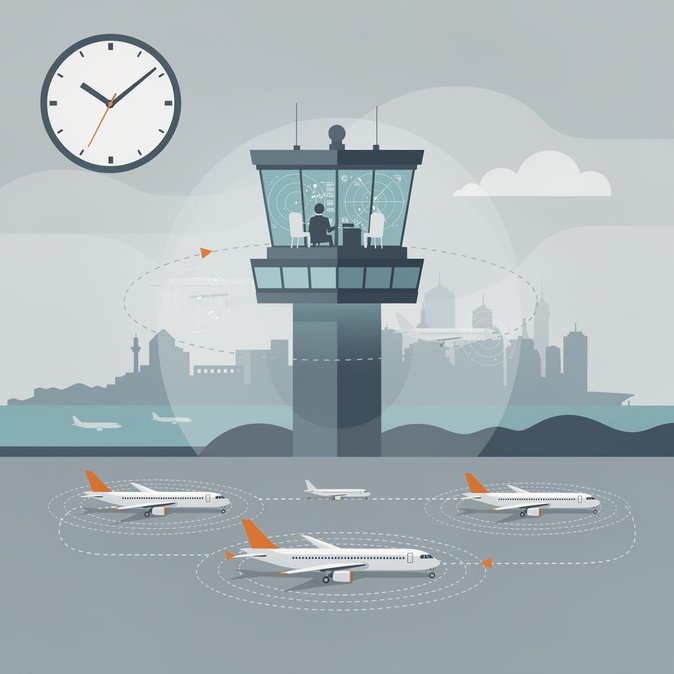
It took only two air-traffic controllers calling in sick on 6 July to plunge Sydney Airport into hours of cascading delays, according to detailed reporting by travel outlet The Traveler. With no spare qualified staff to cover the tower positions, Airservices Australia imposed capacity cuts that saw departure banks slip more than an hour behind schedule and a handful of flights cancelled outright. Real-time data showed queues snaking through terminals as delays in Sydney rippled to Brisbane, Melbourne and Canberra.
Business travellers caught in similar turbulence can at least remove visa worries: VisaHQ’s Australia portal centralises e-visa applications, passport validity checks and status notifications, ensuring documentation doesn’t become another hidden delay when flights are already uncertain.
The episode highlights what airlines have long warned: Australia’s busiest aviation hub operates with razor-thin staffing margins after pandemic attrition and slower-than-expected training pipelines. For corporate travellers the knock-on was immediate—missed connections, re-routings and extra accommodation costs with no statutory compensation regime in sight. Travel-management companies are urging clients to build longer connection windows and keep critical meetings virtual until Airservices publishes a resilience plan. Industry submissions to a recent Senate inquiry revealed that unplanned absences by as few as two controllers can trigger a ground-delay programme because each tower position requires specific endorsements. The Sydney disruption is now a case study for regulators considering whether to mandate minimum staffing buffers. Practical tip: include force-majeure wording in mobility policies, allow overnight stays for east-coast day trips, and monitor NOTAMs that flag traffic-flow restrictions to pre-empt schedule blow-outs.
Business travellers caught in similar turbulence can at least remove visa worries: VisaHQ’s Australia portal centralises e-visa applications, passport validity checks and status notifications, ensuring documentation doesn’t become another hidden delay when flights are already uncertain.
The episode highlights what airlines have long warned: Australia’s busiest aviation hub operates with razor-thin staffing margins after pandemic attrition and slower-than-expected training pipelines. For corporate travellers the knock-on was immediate—missed connections, re-routings and extra accommodation costs with no statutory compensation regime in sight. Travel-management companies are urging clients to build longer connection windows and keep critical meetings virtual until Airservices publishes a resilience plan. Industry submissions to a recent Senate inquiry revealed that unplanned absences by as few as two controllers can trigger a ground-delay programme because each tower position requires specific endorsements. The Sydney disruption is now a case study for regulators considering whether to mandate minimum staffing buffers. Practical tip: include force-majeure wording in mobility policies, allow overnight stays for east-coast day trips, and monitor NOTAMs that flag traffic-flow restrictions to pre-empt schedule blow-outs.