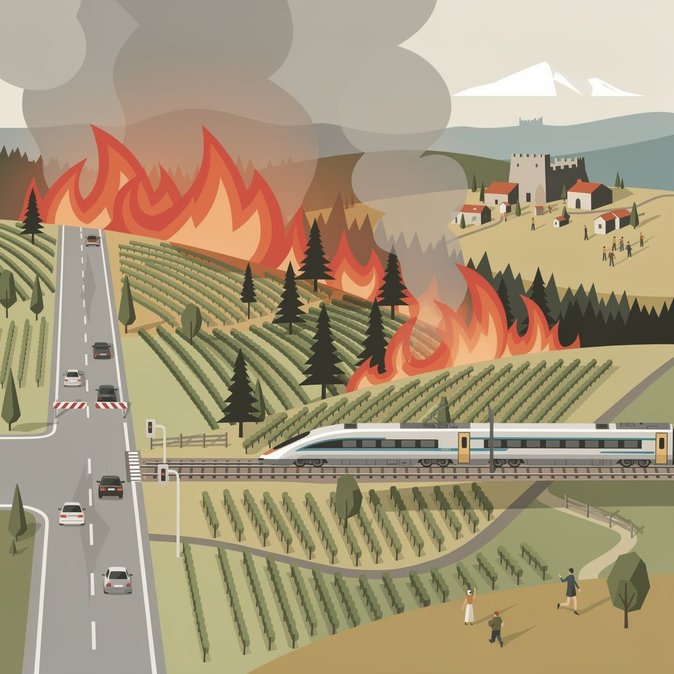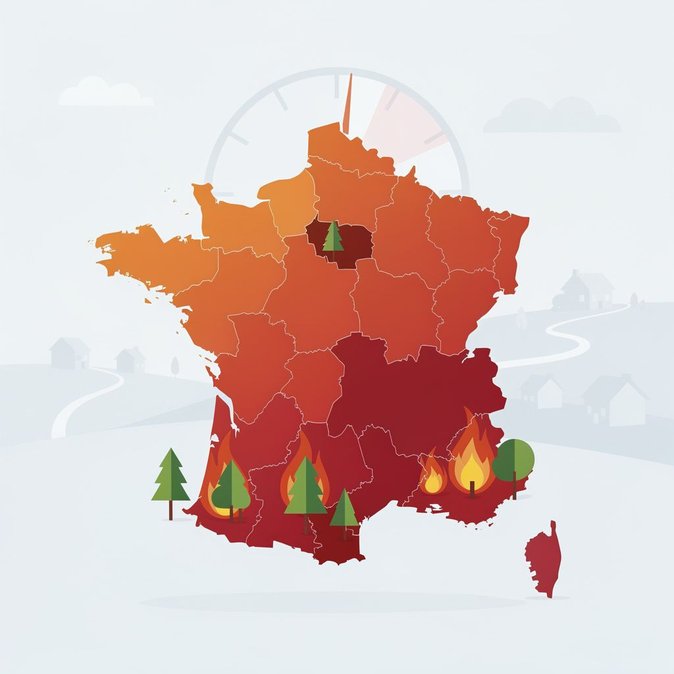
In a special bulletin published on 10 July, Météo-France warned of "high to very high" forest-fire danger across 59 departments, urging prefects to tighten access to woodland areas and authorise drone overflights to detect new ignitions. Several prefectures immediately restricted access to communal forests and banned the use of agricultural machinery that can spark fires after 13:00.
Travellers and HR managers arranging last-minute trips should also remember that VisaHQ can take the administrative load off their desks. Through its dedicated France page, the platform delivers up-to-date visa requirements, expedited processing options and travel-alert subscriptions that complement official wildfire advisories, allowing companies to keep people both compliant and safe.
The interior ministry reminded employers that the Labour Code allows local labour inspectors to halt outdoor work when the prefect activates level-3 fire risk. Construction firms building logistic hubs outside Marseille have already shifted shifts to night hours to comply. The bulletin also advises motorists to avoid parking on dry grass and to check regional wildfire dashboards before travelling. Car-rental companies at Nice-Côte-d’Azur and Toulouse-Blagnac airports are distributing multilingual leaflets to inbound passengers. Business travellers should be aware that violating local fire bans can incur on-the-spot fines of up to €750. For global-mobility teams, the alert underscores the importance of updating emergency-contact chains for employees on assignment in rural Provence, Occitanie and Nouvelle-Aquitaine, where holiday homes are popular expatriate residences. Employers should also verify that their French property insurance includes the CatNat wildfire extension now routinely required by landlords.
Travellers and HR managers arranging last-minute trips should also remember that VisaHQ can take the administrative load off their desks. Through its dedicated France page, the platform delivers up-to-date visa requirements, expedited processing options and travel-alert subscriptions that complement official wildfire advisories, allowing companies to keep people both compliant and safe.
The interior ministry reminded employers that the Labour Code allows local labour inspectors to halt outdoor work when the prefect activates level-3 fire risk. Construction firms building logistic hubs outside Marseille have already shifted shifts to night hours to comply. The bulletin also advises motorists to avoid parking on dry grass and to check regional wildfire dashboards before travelling. Car-rental companies at Nice-Côte-d’Azur and Toulouse-Blagnac airports are distributing multilingual leaflets to inbound passengers. Business travellers should be aware that violating local fire bans can incur on-the-spot fines of up to €750. For global-mobility teams, the alert underscores the importance of updating emergency-contact chains for employees on assignment in rural Provence, Occitanie and Nouvelle-Aquitaine, where holiday homes are popular expatriate residences. Employers should also verify that their French property insurance includes the CatNat wildfire extension now routinely required by landlords.