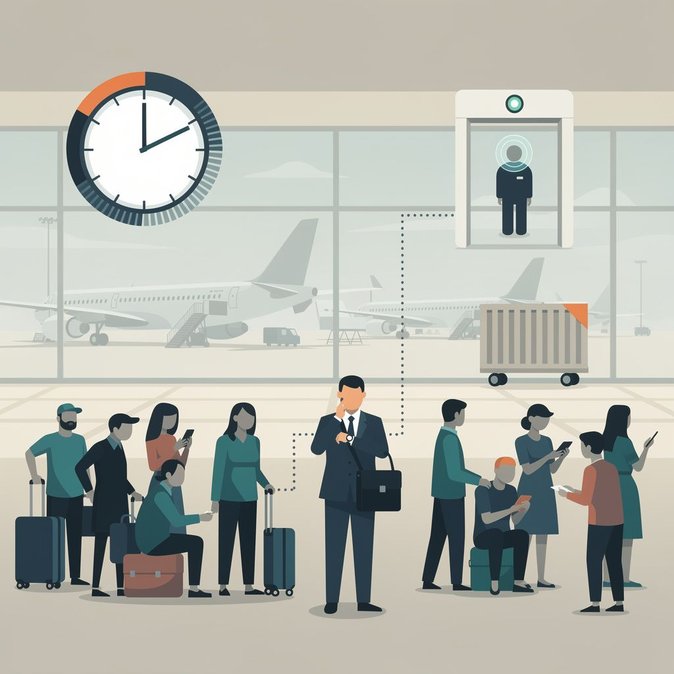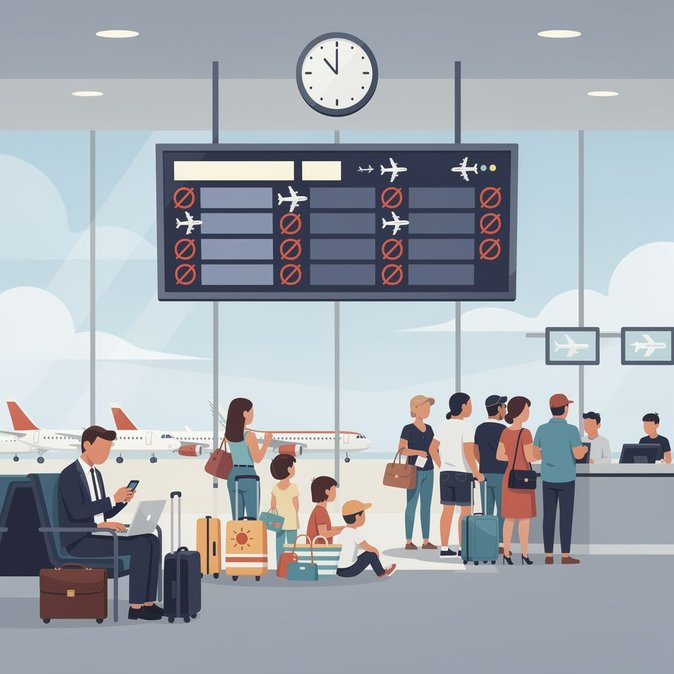
Italy’s busy summer getaway season was thrown into chaos on 11 July when ground-handling, check-in and some flight-crew unions staged an eight-hour national strike from 10:00 to 18:00. The protest, called to demand the renewal of a sectoral labour contract that has been frozen for six years, hit every major airport and forced carriers to cut their schedules dramatically. ITA Airways scrapped 133 services and low-cost players such as Vueling and Malta Air (Ryanair) joined the walk-out for four-hour windows in the middle of the day. At Palermo Falcone-Borsellino alone 34 departures and arrivals were cancelled, while Naples, Sardinia, Turin and other regional gateways reported dozens of additional cuts. Transport ministry contingency rules required airlines to publish lists of "voli garantiti" (protected flights) and the civil-aviation regulator ENAC urged passengers to check the status of their trips before travelling to airports. Queues nevertheless formed at Milan, Rome and Bologna as re-booking desks struggled to cope with an estimated 250,000 disrupted travellers. Business-travel management companies warned that corporate itineraries could be derailed for days because many July flights are already close to capacity. The clash comes only days after a rail strike and ahead of planned ferry and motorway protests later in the month, fuelling industry fears of a "hot July" of transport unrest. The government’s attempt to limit the stoppage duration was criticised by unions as an attack on the right to strike, but supported by consumer groups worried about Italy’s tourism reputation. Hoteliers in the main meetings-and-events destinations said last-minute cancellations were already running at 15 %. For mobility managers the episode underscores the importance of real-time duty-of-care alerts and flexible ticketing policies when sending staff to Italy during the peak season. Experts recommend building longer connection times, booking refundable fares and ensuring that travel-insurance policies cover labour-related disruptions, which many do not by default.
Source: La Sicilia