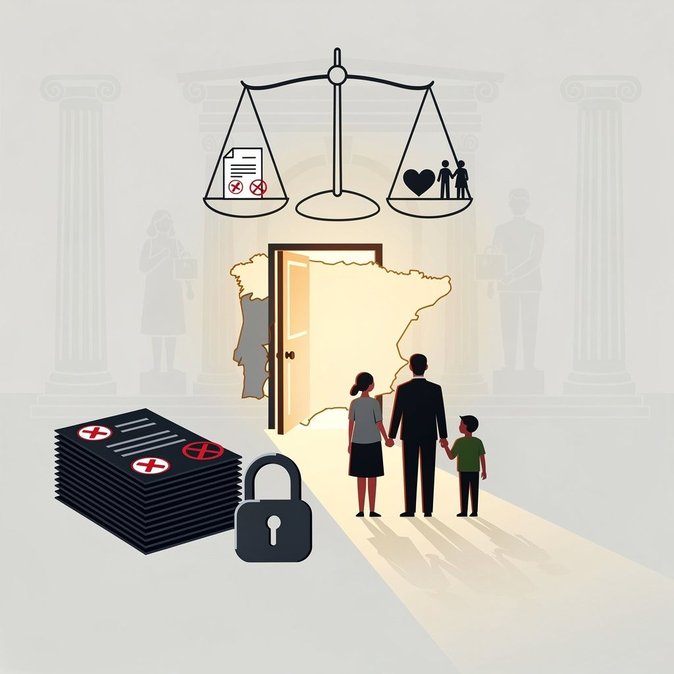
In a second decision released the same day, the Supreme Court struck down provisions of the 2024 Foreigners’ Regulation that allowed authorities to reject family-reunification and other residence applications outright when the applicant had a criminal record. The justices ruled that any refusal must be based on an individual assessment of the seriousness of the offence, rehabilitation, family ties in Spain and the best interests of children. The ruling aligns Spanish practice with EU Directive 2004/38, which requires that security refusals be grounded in a ‘genuine, present and sufficiently serious threat.’ According to the judgment, blanket denials breach EU free-movement rights when relatives of Spanish or other EU citizens are involved. For global mobility practitioners the impact is immediate: companies sponsoring non-EU talent who have minor or dated convictions can expect immigration offices to request extra documentation rather than issue summary refusals. Processing times may lengthen, but litigation risk is reduced and rejection rates are likely to fall. Employers should review internal compliance checklists to ensure they gather rehabilitation evidence—such as proof of sentence completion or court rehabilitation orders—before filing. NGOs welcomed the decision as a victory for proportionality, noting that previous automatic denials had disproportionately affected spouses and partners of Spanish nationals who had minor drug-possession convictions overseas. The Interior Ministry said it will update its adjudication manuals within 30 days.
Source: Europa Press