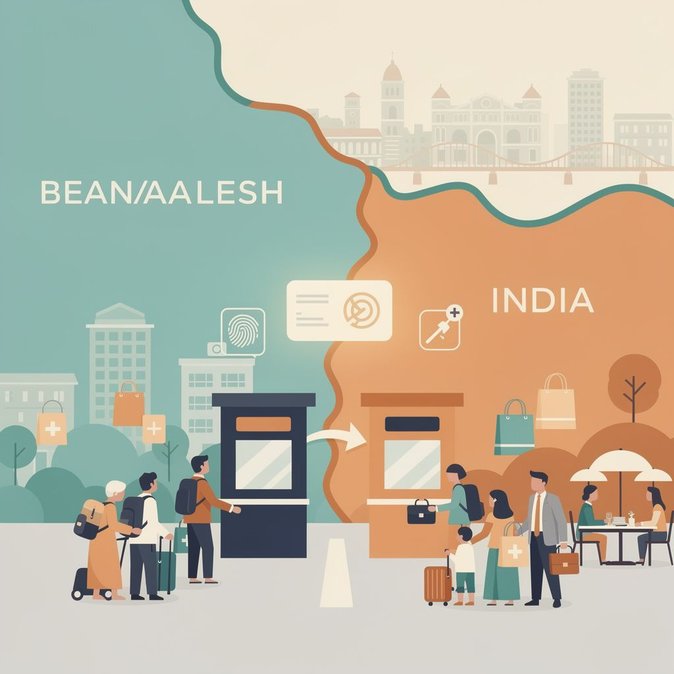
Traders in central Kolkata’s Marquis Street and Sudder Street breathed a sigh of relief on 12 July as news broke that India has resumed processing tourist visas for Bangladeshi citizens, suspended since political unrest in 2024. The Economic Times’ travel vertical reports that restaurants, budget hotels and retail outlets catering to Bangladeshi shoppers are scrubbing shutters, repainting façades and rehiring staff in anticipation of an influx once Eid-ul-Milad traffic begins next month. Before the shutdown, Bangladesh supplied nearly 25 percent of foreign footfall into Kolkata, sustaining an eco-system of medical tourism, wholesale fabric trade and coach services to Durgapur and Siliguri. Hoteliers now expect occupancy to rise from the current 45 percent to 70 percent by October, while retail associations predict a ₹300-crore boost for Puja season sales. From a mobility standpoint, the decision revives a crucial corridor for short business trips. Bangladeshi garment exporters use the city as a transit hub to reach Mumbai and Tiruppur, and Indian IT firms recruit Bengali-speaking talent through job fairs held at Kolkata’s visa centre. The resumption also eases cross-border family reunions that had shifted to the costlier air route via Dubai. Operationally, visa slots will initially be capped at 1,500 per day to prevent crowding at the Integrated Visa Application Centre in Jamuna Future Park, Dhaka. Applicants must upload biometrics in advance and collect passports in Kolkata instead of Dhaka to reduce courier delays. Mobility teams are advised to book appointment tokens early and to budget 5-7 working days for issuance while the backlog clears. Diplomats hail the move as a confidence-building measure after months of bilaterally strained rhetoric. For Kolkata’s small businesses, it cannot come soon enough; many have been operating at break-even, and a revival of Bangladeshi footfall could be the difference between survival and shutdown.
Source: ETTravelWorld