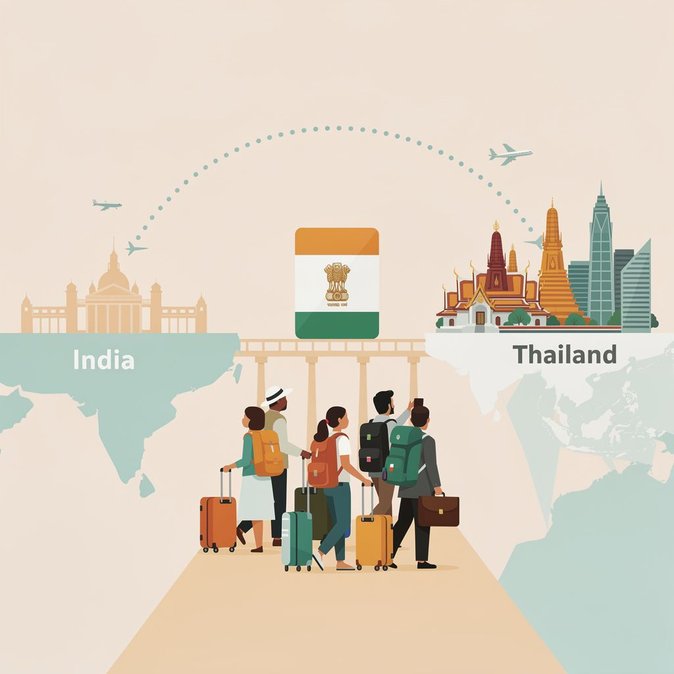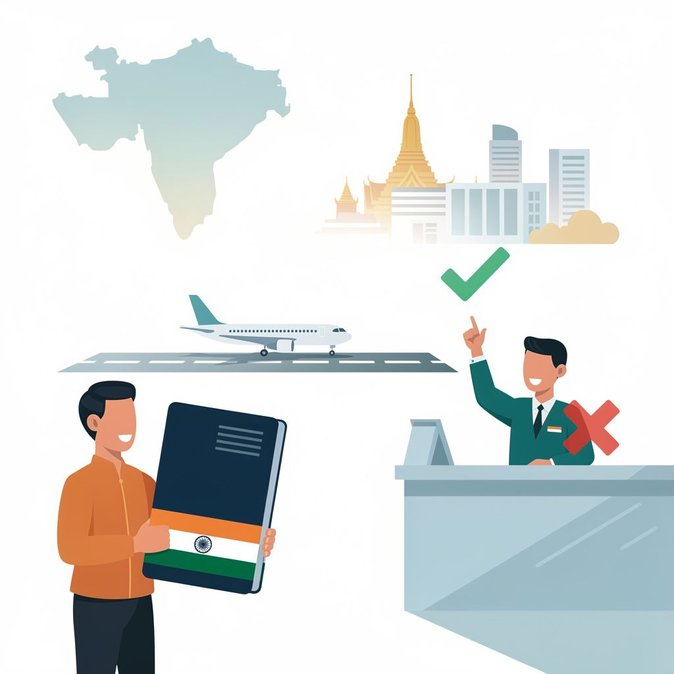
Thailand’s cabinet has reinstated a 30-day visa-free stay for Indian passport-holders with immediate effect, reversing an earlier plan to scrap the long-standing waiver. Tourism Minister Surasak Phancharoenworakul told reporters after the 14 July cabinet meeting that mixed signals over the spring proposal had already dampened arrivals from India—Thailand’s third-largest source market—prompting a rapid policy U-turn. Indian tourists had briefly faced the prospect of applying for an e-visa or visa-on-arrival, adding cost and administrative friction that tourism operators feared would push price-sensitive travellers toward competing destinations such as Malaysia and Vietnam. By restoring the waiver, Bangkok hopes to shore up what has become a critical demographic: nearly 1.9 million Indians visited in 2025, spending an estimated $2.7 billion according to the Tourism Authority of Thailand. For Indian corporates, the decision is equally significant. Bangkok and Phuket have become popular hubs for regional meetings and incentives because of extensive non-stop connectivity from India’s tier-1 and tier-2 cities. Travel managers can once again route short-notice delegations without worrying about visa lead-times. Airlines, meanwhile, may revisit plans to launch or up-gauge India–Thailand frequencies for the upcoming festive and wedding seasons, traditionally peak periods for outbound traffic. The restored waiver now aligns all Indian travellers with citizens of 59 other countries entitled to 30 days visa-free, a consolidation that Bangkok says will simplify border processes while still allowing immigration police to curb overstays and crack down on illicit work. Officials added that the cap can be revisited “if misuse becomes rampant”, signalling ongoing scrutiny of extended stays by digital nomads and grey-market workers. Travel advisers nevertheless caution business travellers that proof of onward travel and accommodation may be requested on arrival, and that overland exits to neighbouring Cambodia, Laos or Malaysia reset—not extend—the 30-day clock. Those needing longer stays for projects should factor in processing times for the appropriate Thai work or long-stay visas.
Source: The Print (via Bloomberg)