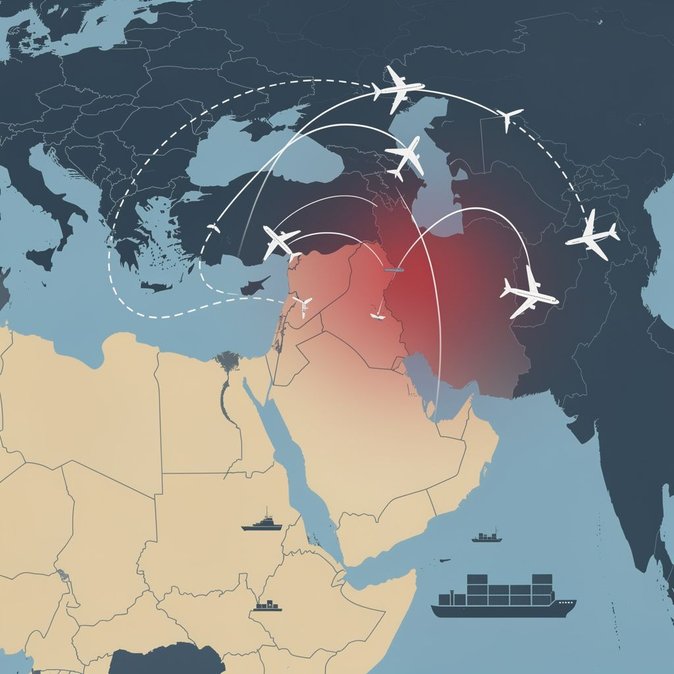
In a security alert issued at 04:51 local time on July 14, the U.S. Embassy in Abu Dhabi and the Consulate General in Dubai cancelled every consular appointment scheduled between July 13 and 15, citing “the regional security situation.” All routine visa services remain suspended “until further notice,” and non-emergency U.S. government staff have been placed on ordered-departure status outside the United Arab Emirates (UAE). The decision follows a spike in U.S.–Iran military tensions and drone activity over the Gulf that has already prompted major airlines to reroute traffic. With Washington’s missions operating on skeleton crews, passport renewals, notarial services and immigrant-visa interviews are halted. Emergency assistance to U.S. citizens continues via the embassy’s online navigator, but applicants are warned not to travel to either facility unless specifically instructed. For multinational corporations with large expatriate populations in Dubai’s financial and energy sectors, the closure freezes ongoing visa-renewal cases and threatens project timelines dependent on incoming staff. Companies sponsoring new H-1B or L-1 transferees must now look to alternate posts in Riyadh, Doha, or Istanbul, adding weeks to processing times and thousands of dollars in relocation costs. Travel-risk consultants advise American employees already in the UAE to register with the Smart Traveler Enrollment Program (STEP), carry digital copies of passports and maintain low profiles around diplomatic enclaves. Those awaiting immigrant-visa packets should prepare for case transfers and possible medical-exam expiration issues. The embassy promised to re-open appointments “when security conditions allow,” but regional analysts warn the pause could extend if ceasefire talks with Iran falter. Mobility teams should therefore budget for extended stays, negotiate remote-work arrangements, and monitor carrier schedule changes as airspace advisories evolve.
Source: Gulf News