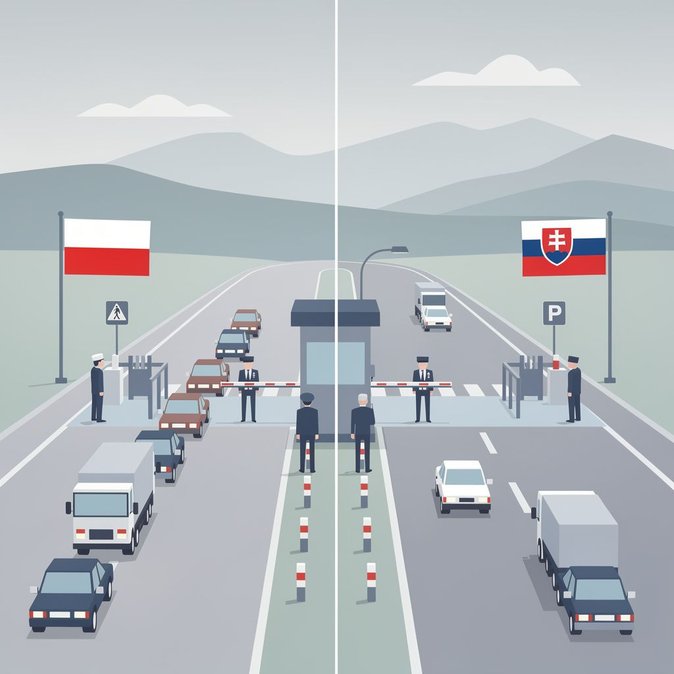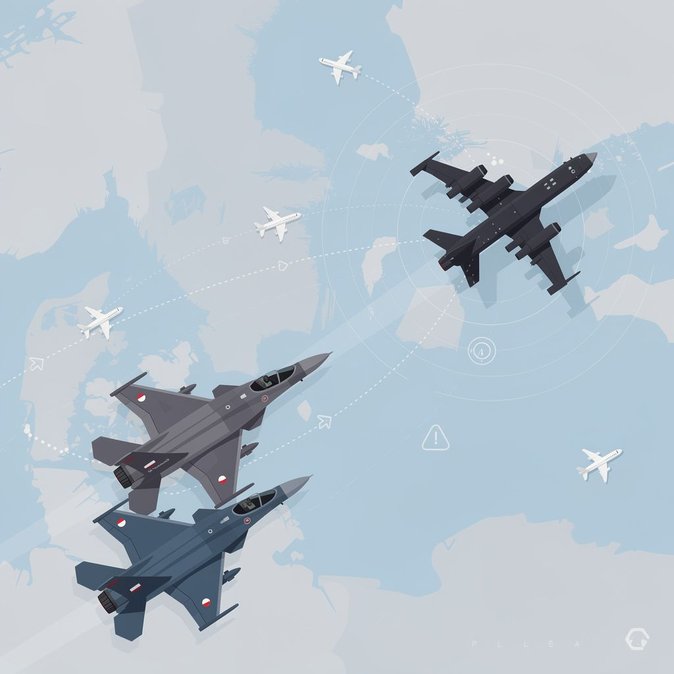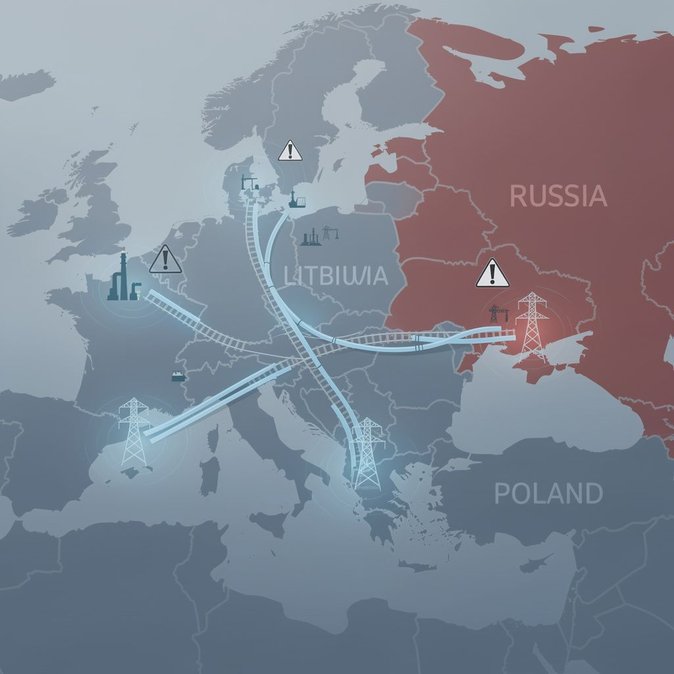
Meeting reporters in Vilnius on 15 July, Lithuanian President Gitanas Nausėda said allied intelligence points to potential limited Russian "kinetic or hybrid" provocations that could target critical infrastructure in Lithuania, Latvia, Estonia or Poland. Polish Prime Minister Donald Tusk echoed the assessment, noting Warsaw has upgraded surveillance of energy pipelines, rail corridors and border crossings since early July. Security advisers fear sabotage or staged migrant pushes similar to the 2021 Belarus crisis could disrupt transport links vital for NATO mobility and commercial supply chains. Contingency plans include rapid closure of selected rail border points and the pre-positioning of power-grid repair crews. Business-travel risk consultancies are already advising multinationals to review evacuation procedures for expatriate staff in the Suwałki Corridor and to ensure redundant internet connectivity for branch offices in north-eastern Poland. Insurers say that a formal increase in threat level could trigger revised war-risk premiums for overland freight transiting the region. While Moscow has dismissed the warnings as “propaganda,” the statements are the strongest joint alert issued by the Baltic quartet this year and could influence EU discussions on extending temporary internal border controls beyond November 2026.
Source: Associated Press