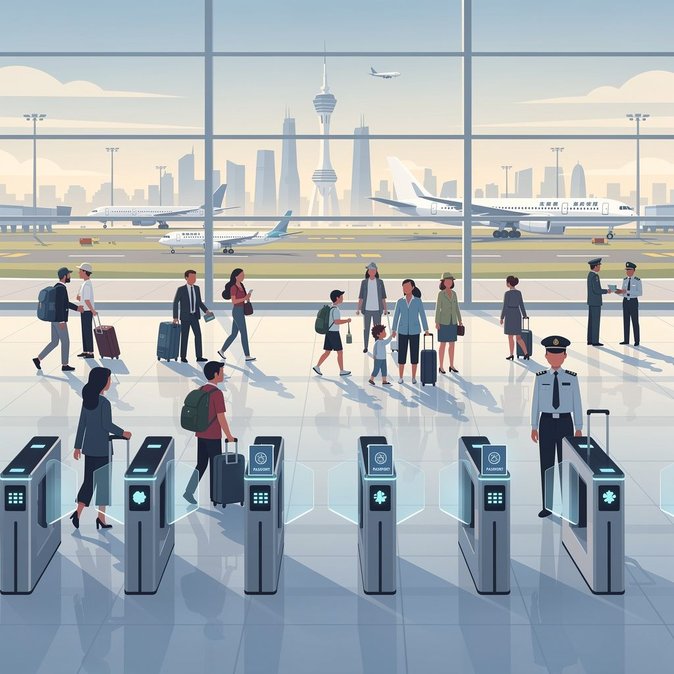
Shanghai’s border-inspection authority announced late on 20 July that passenger throughput at Pudong International Airport (PVG) exceeded 20 million entries and exits for the year as of 19 July, cementing its position as China’s busiest air gateway. The milestone comes barely seven weeks after the airport crossed the 15-million mark, underscoring the strength of both inbound recovery and a surging summer outbound market. According to figures carried by business daily Yicai, some 5.45 million mainland residents have departed through PVG so far in 2026, with July alone accounting for 620,000—30 % more than the same period in June. Border officers cited family leisure and “study-tour” programmes as dominant segments, while long-haul demand to Europe, the Americas and Oceania is being fuelled by new and up-gauged routes, including additional frequencies to Venice and Barcelona. Outbound traffic to the Americas has spiked further on the back of World Cup spectator travel. The Authority said it has deployed extra e-gates, multilingual service desks and dynamic lane allocation to keep immigration clearance below 30 minutes even during evening peaks. Foreign arrival numbers were not disclosed, but carriers report strong loads from visa-waiver markets such as Germany, Canada and Saudi Arabia. With China’s National Immigration Administration targeting a record 750 million cross-border movements for the full year, Shanghai’s performance is viewed as a bellwether for corporate mobility planning. For relocation and travel managers, the data signal renewed pressure on premium-class seat inventory and hotel availability in China’s commercial capital from now through the early-October Golden Week. Companies should lock in flights well ahead, leverage corporate fare deals, and consider routing staff via alternative hubs such as Hangzhou or Nanjing where possible. Internally, expect tighter meeting calendars as visiting executives piggyback personal holidays onto business trips. Strategically, Pudong’s rebound validates government efforts to streamline border control—such as expanded e-channel eligibility for foreign residents and pilots of facial-recognition vehicle lanes—and underlines the importance of Shanghai in China’s blueprint to convert “people flows into economic flows.” Multinationals with China HQs can anticipate smoother arrival experiences but should keep contingency time for pandemic-era health code checks that, while largely suspended, can be re-activated if regional outbreaks occur.
Source: Yicai (First Financial)